 The Prep Nest
Staying Reachable When the Network Is Not: Radios vs Satellite
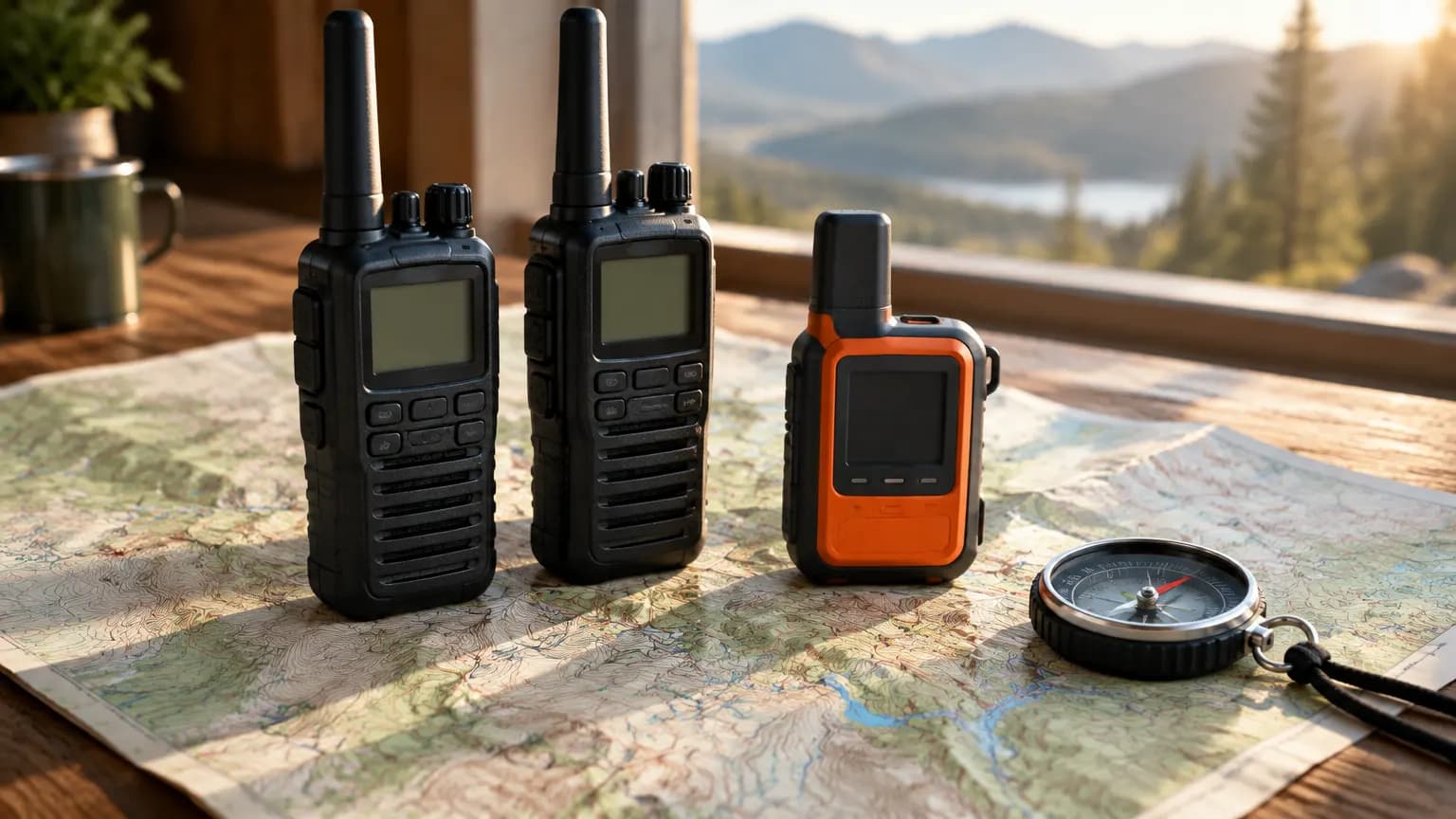
Communication gear gets bought in the wrong order. People start with two-way radios because they are cheap and familiar, when the first question should be which of three separate problems they are solving: receiving official information, talking to the people they are with, or reaching the outside world when there is no cell service. Each has a different answer and they are not interchangeable.
Receiving information is the cheapest problem and the one to solve first. A NOAA weather radio, particularly one that also runs on a crank or solar panel, gives you official alerts and local broadcast without depending on your phone, the cell network, or the grid. It is receive-only, which is precisely why it is reliable: it has no dependencies other than the transmitter, and those transmitters are built to keep running. Every household in a weather-exposed area should own one, and it costs less than a tank of fuel.
Talking to the people you are with is the two-way radio problem, and this is where advertising does the most damage. A pair of GMRS radios like the Midland GXT1000VP4 will have a range printed on the box measured in tens of miles. That figure is line of sight, radio to radio, with nothing in between, which describes a mountaintop and not a neighborhood. In real terrain, in a suburb, or between buildings, expect something closer to one or two miles, sometimes less. Within those limits they are genuinely useful: keeping a household in contact while clearing a property, coordinating two cars in a convoy during an evacuation, or reaching someone a few streets away when cell circuits are jammed.
One legal point people miss in the United States: the higher-power GMRS channels require an FCC licence. It costs about thirty-five dollars, lasts ten years, involves no examination, and covers your whole immediate family under one call sign. FRS channels on the same radios need no licence but run at lower power, so the range is shorter. Buying a GMRS radio and never getting the licence means either operating outside the rules or using only the weaker channels you did not pay for.
Reaching the outside world with no cell service is the satellite problem, and nothing terrestrial substitutes for it. A satellite messenger such as the Garmin inReach Mini 2 sends and receives text messages anywhere with a clear view of the sky, and its SOS button reaches a staffed emergency coordination center that can dispatch rescue and stay in contact while they do. It requires an active subscription, which is the part people forget: the device is useless on the shelf if the plan lapsed. For backcountry travel, for rural areas where coverage is patchy on a good day, or as the last link during a regional disaster, there is no equivalent at any price.
Two things worth knowing about ordinary phones, because they remain the primary tool. Text messages get through when calls do not: they use a fraction of the bandwidth, and they keep retrying in the background, so a text sent into a jammed network often arrives minutes later while every call attempt fails. And battery discipline starts at the beginning of the event rather than at twenty percent. Airplane mode between check-ins, screen brightness down, and a charged power bank in the bag stretch a phone across days instead of hours.
The sensible order to buy in, then: a weather radio first, because it is cheap and solves the most likely problem. Two-way radios next if your household is ever spread across a property or travelling in more than one vehicle. A satellite messenger last, and only if you genuinely go where coverage does not, in which case it moves to the top of the list rather than the bottom.
None of it replaces the plan. Radios do not help if nobody agreed which channel to use, and a satellite messenger does not help if nobody knows who to message. Decide that in advance, write it on the same card as your out-of-area contact, and the gear will do its job when the network does not.
Recommended gear for this guide
Picks from our Gear Guide that cover what this article talks about. Affiliate links; see our disclosure.
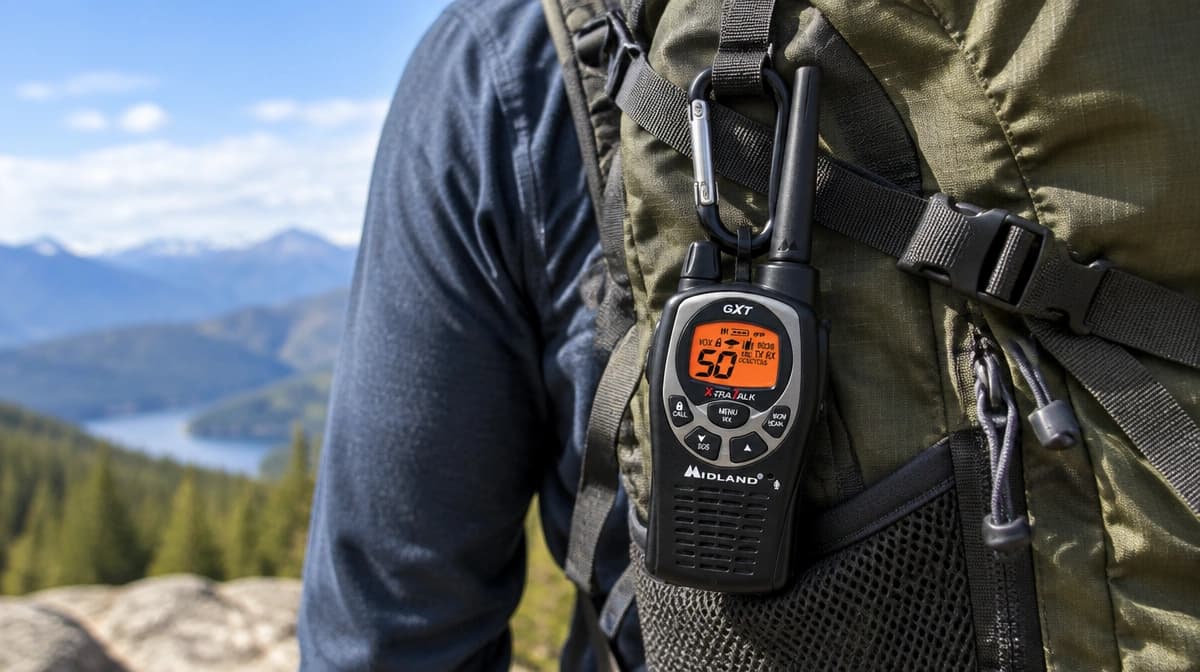
FRS/GMRS two-way radios
$$Midland GXT1000VP4 (pair)
Keep household members in contact without relying on cell service. Includes NOAA weather channels and a charging dock.
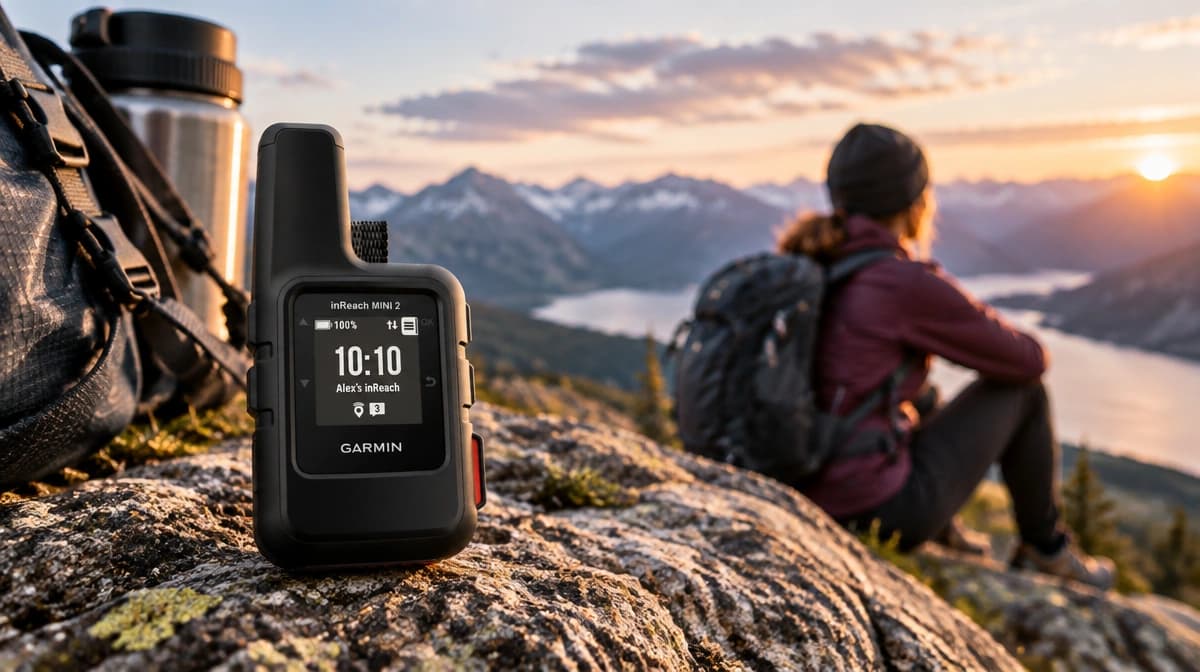
Portable satellite messenger
$$$Garmin inReach Mini 2
Two-way text and SOS capability with no cell signal required. Needs a subscription, but it is the device that gets help to you off-grid.
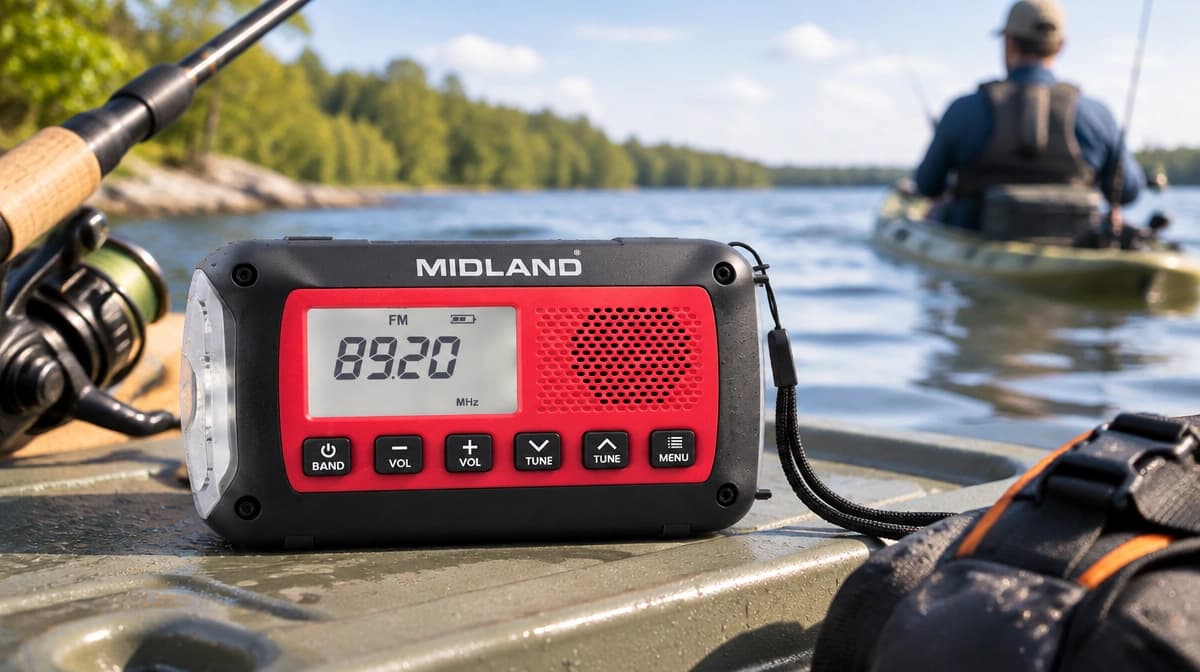
Hand-crank / solar radio
$$Midland ER310
NOAA weather alerts, phone charging, and a flashlight in one unit. Charges by crank, solar, or USB.
Budget emergency radio
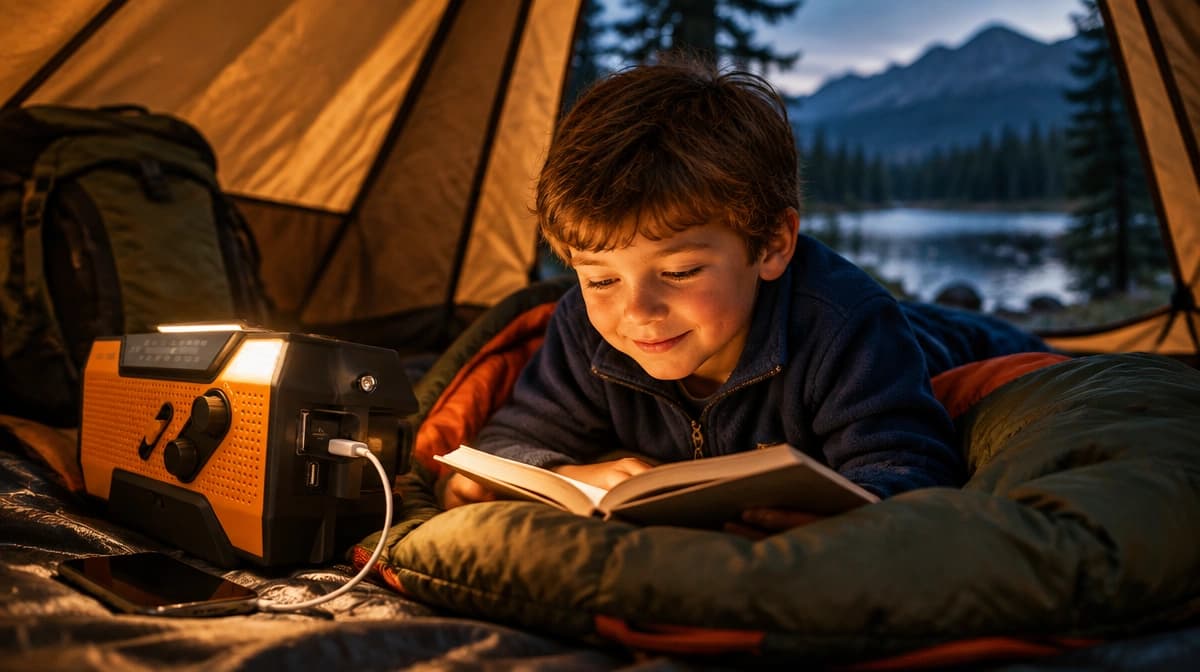
$FosPower A1 (7400 mWh)
The affordable pick: NOAA band, solar and crank charging, and an SOS alarm at about half the price of the Midland.
Keep reading
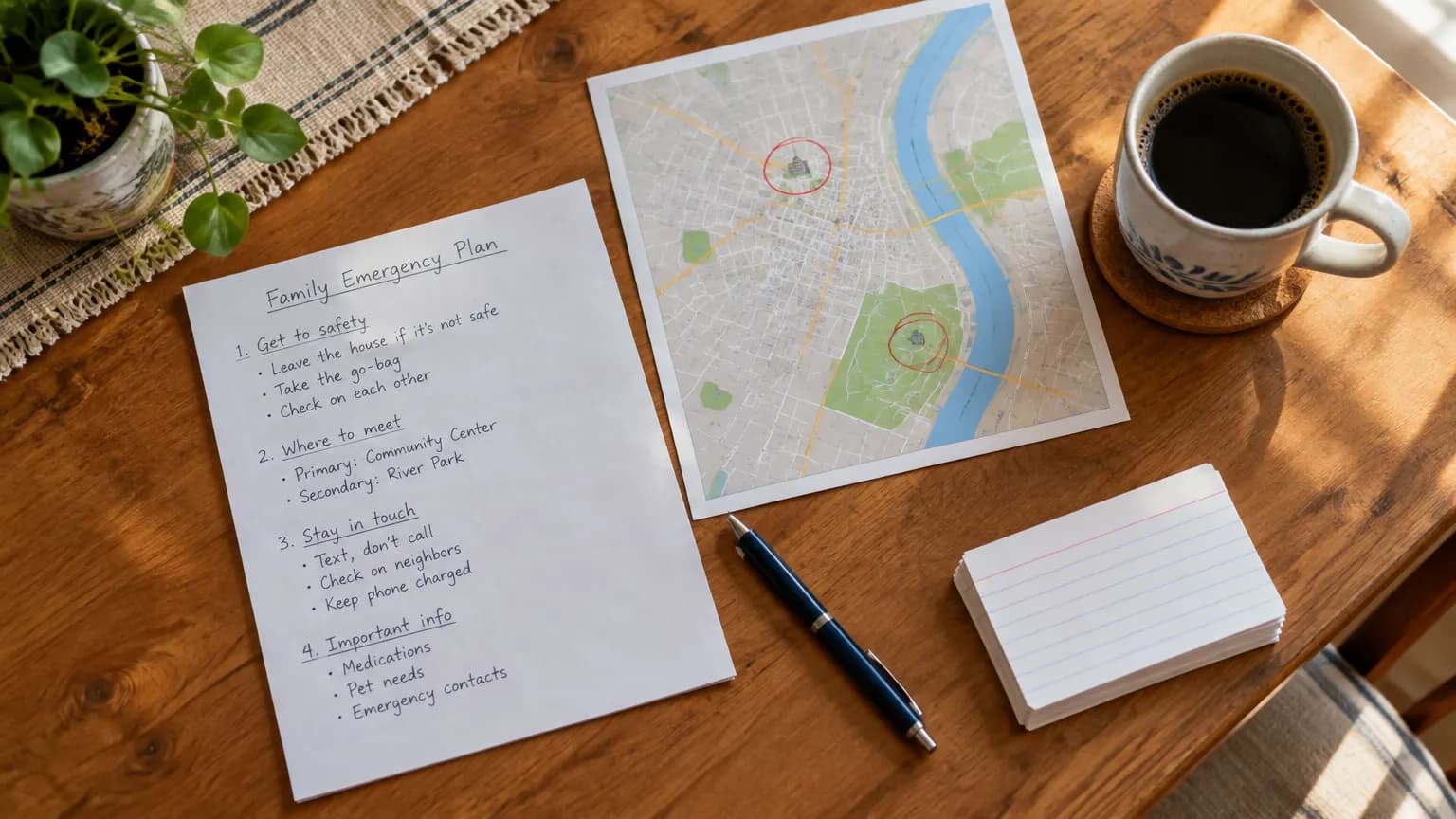
The Family Emergency Plan: What to Actually Write Down
Supplies are the easy half of preparedness. The harder half is what your household does when it is scattered across town and the phones are not working. That part has to exist on paper.
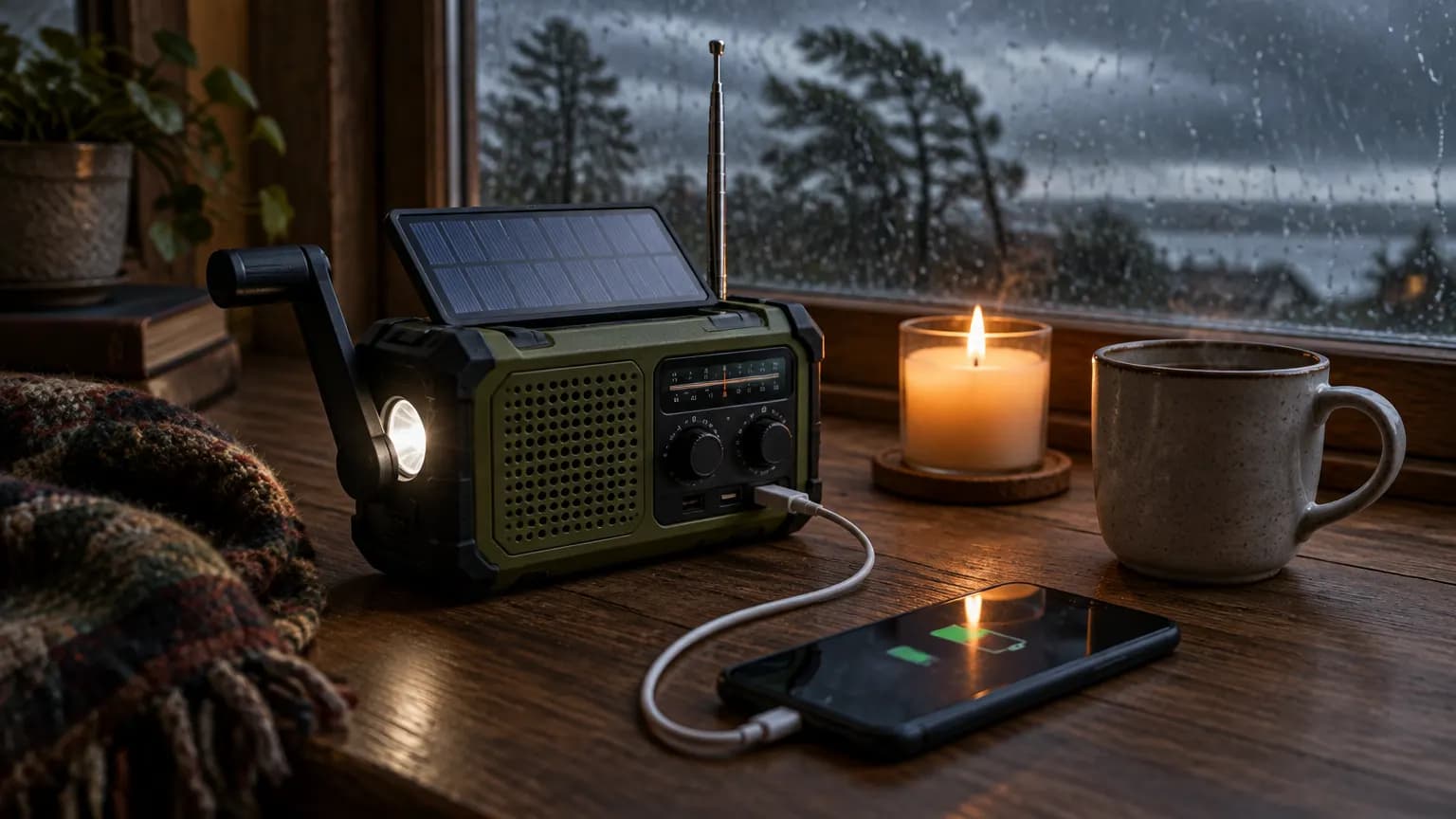
5 Things to Look for in an Emergency Hand-Crank Radio
Not all hand-crank radios are created equal. Here's what separates a genuinely useful unit from a novelty gadget.
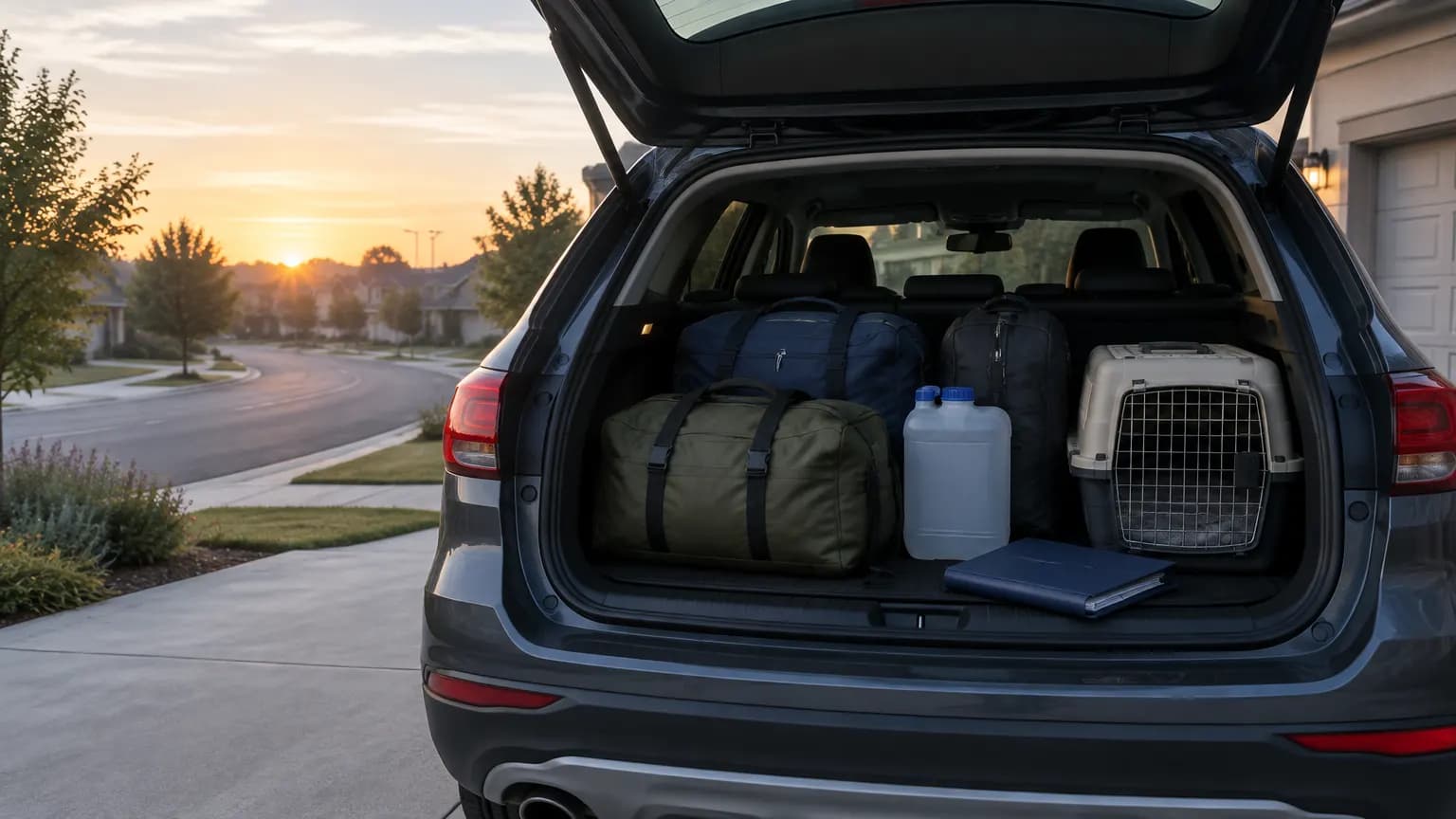
When to Leave: Building an Evacuation Plan Before You Need One
The people who get out cleanly are rarely the fastest packers. They are the ones who decided the threshold in advance and had a list for fifteen minutes, one hour, and six.