 The Prep Nest
Articles & Guides
Everything we publish, organized by topic. Start wherever you are in your preparedness journey.
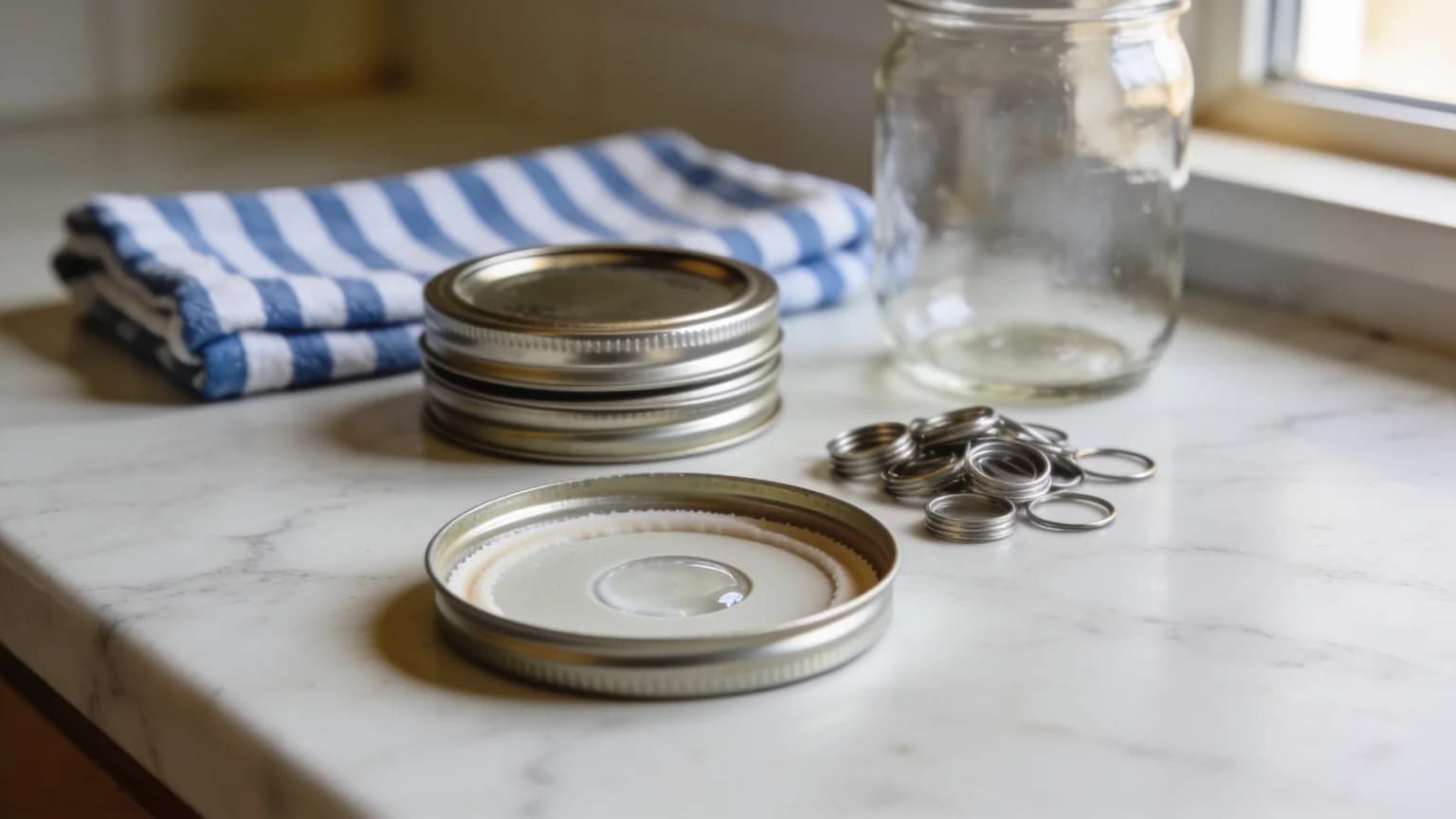
Can You Reuse Canning Lids? The Answer Is Different for Each Part
No for the flat lid, yes for the band and the jar, and there is a five-year clock on unused lids that almost nobody mentions. What the USDA's own guidance says, and what to do with the lids you cannot reuse.
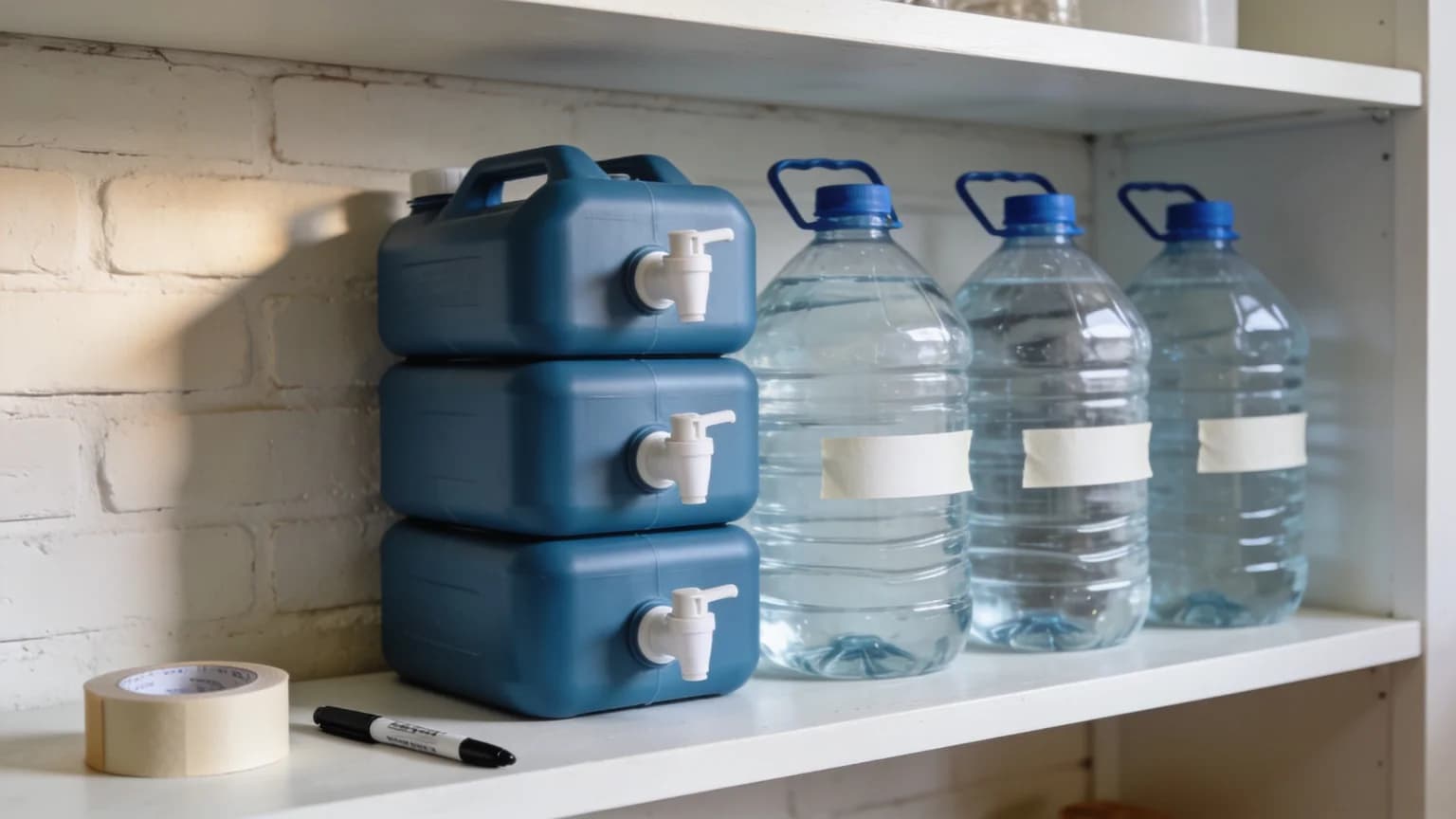
How Long Does Stored Water Last? What the Agencies Actually Say
Water does not go off. Containers do. Here is what the CDC and Ready.gov actually say about how long water bottles can be stored, what the date on a bottle means, and which widely repeated figures have no source behind them at all.
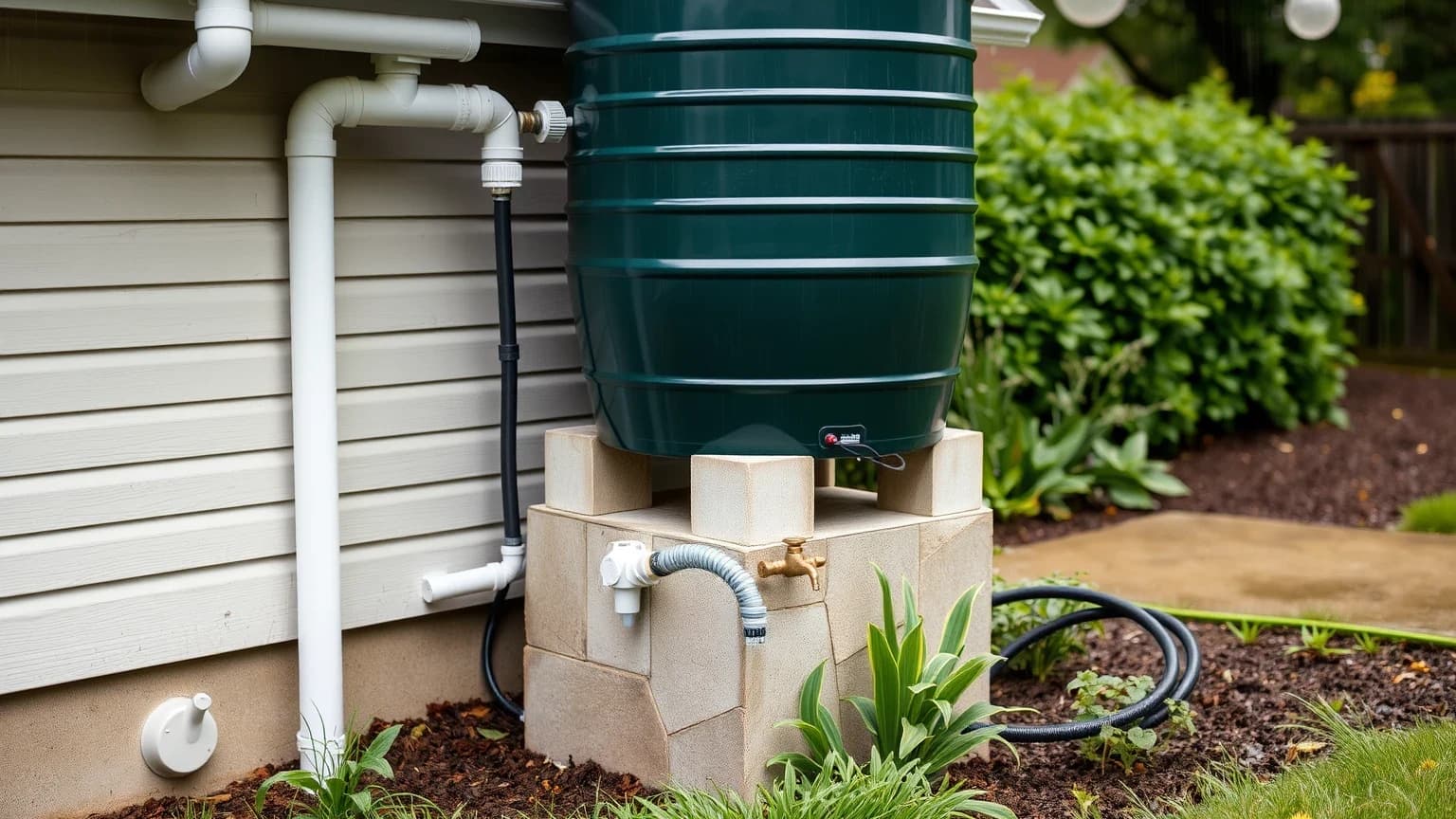
How to Build a Rainwater Collection System That Does Not Overflow
A barrel under a downspout is one part of five. Here is the whole system, the arithmetic that shows it will overflow, how barrels, tanks and cisterns compare, and the state rules people most often get wrong.
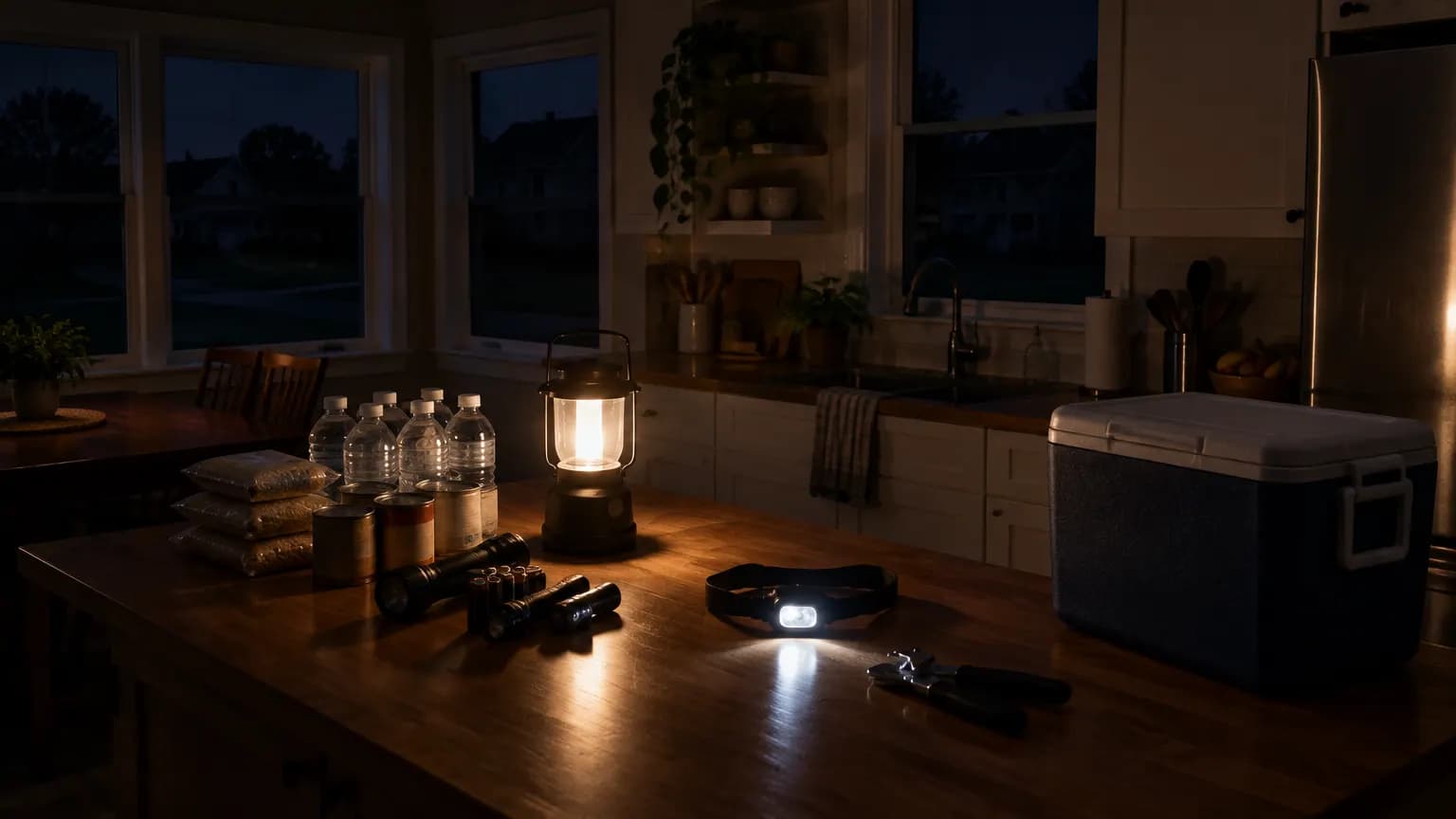
The Power Outage Emergency Kit: What You Actually Need
Most outage kits are built around candles and a flashlight, which covers the first hour and nothing after it. Here is what a kit needs for a full outage, how long the food in your fridge really has, and what a battery will actually run.
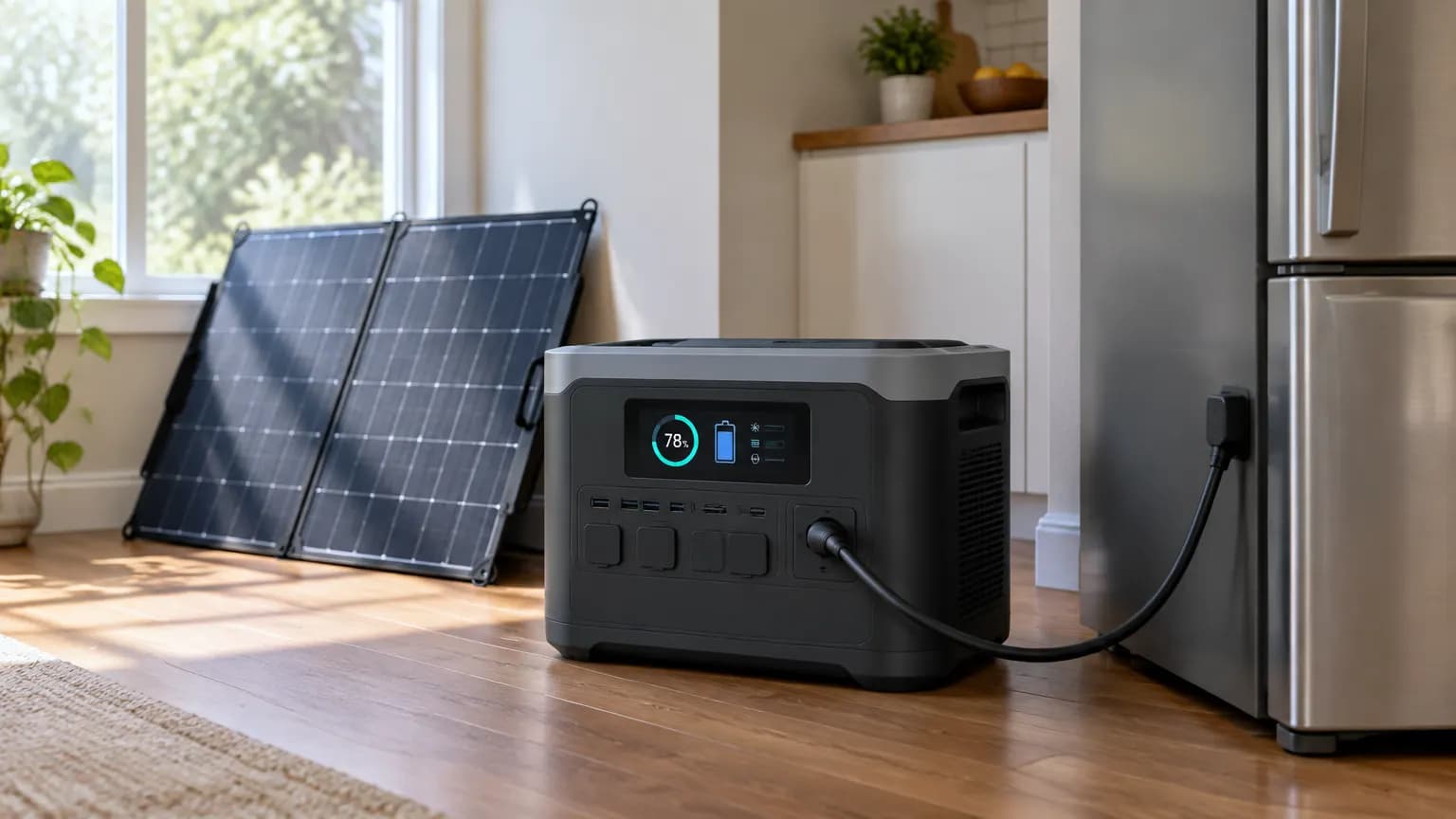
How to Size a Portable Power Station for Home Backup
Capacity numbers on the box tell you almost nothing on their own. Here is the arithmetic that turns watt-hours into how many hours your fridge actually runs, and where solar changes the answer.
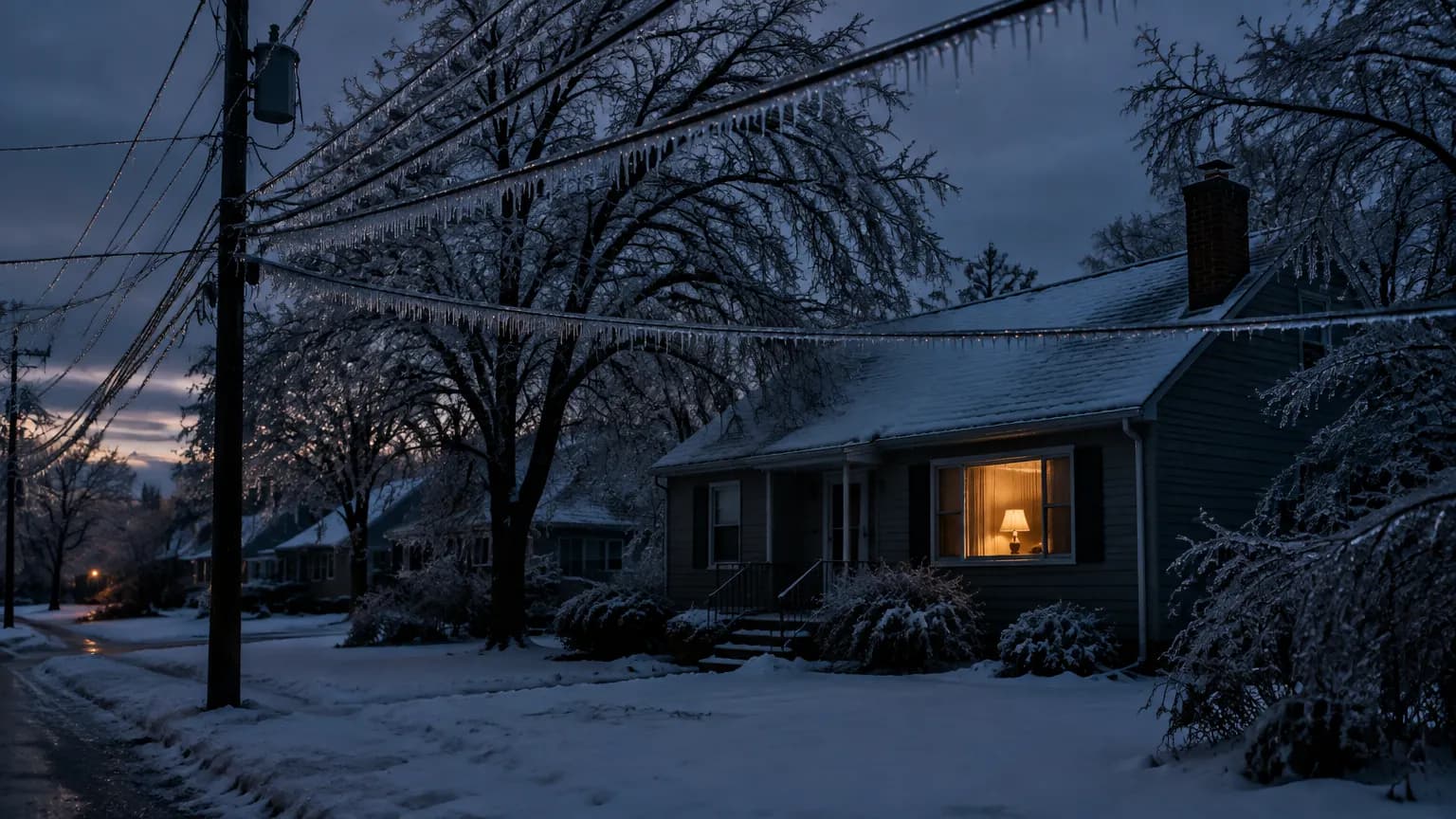
When the Lights Stay Off: Planning for a Multi-Day Blackout
A four-hour outage is an inconvenience. A four-day one is a different problem: heat, water, food spoilage, and a decision about whether to stay. Here is how to think about each.

Urban Survival: What Actually Fails in a City, and What to Do
Most survival advice is written for the woods. Cities fail differently: faster, through systems rather than weather. Here is what breaks, in what order, and where the water in your own building is.
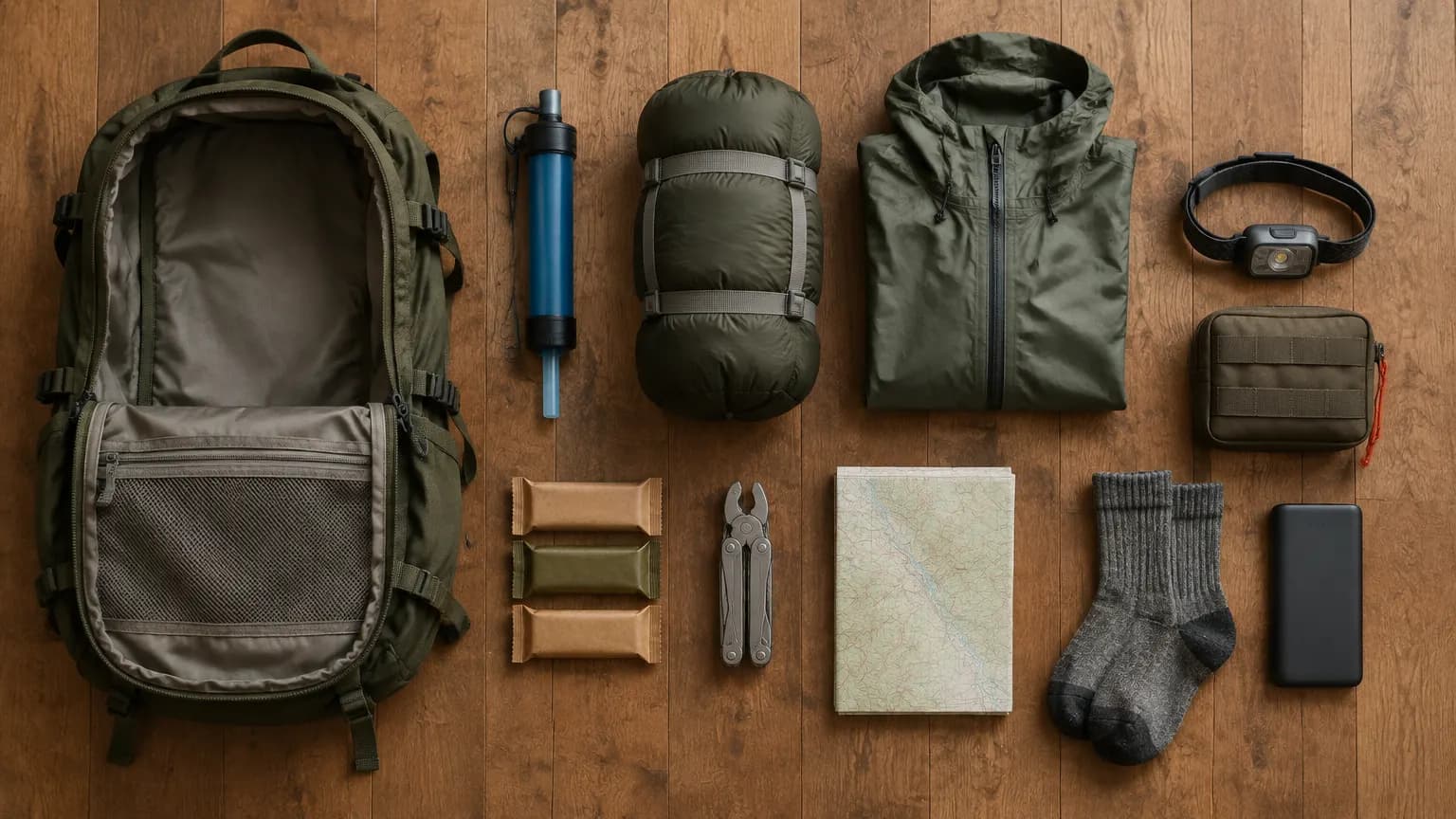
Bug Out Bag Checklist: The Bag You Would Actually Carry
Most bug out bags fail the same way: packed for every scenario and too heavy to walk anywhere with. Here is the full checklist, built around a weight budget instead of a wish list, with the pack, the food and the pre-made kits covered honestly.
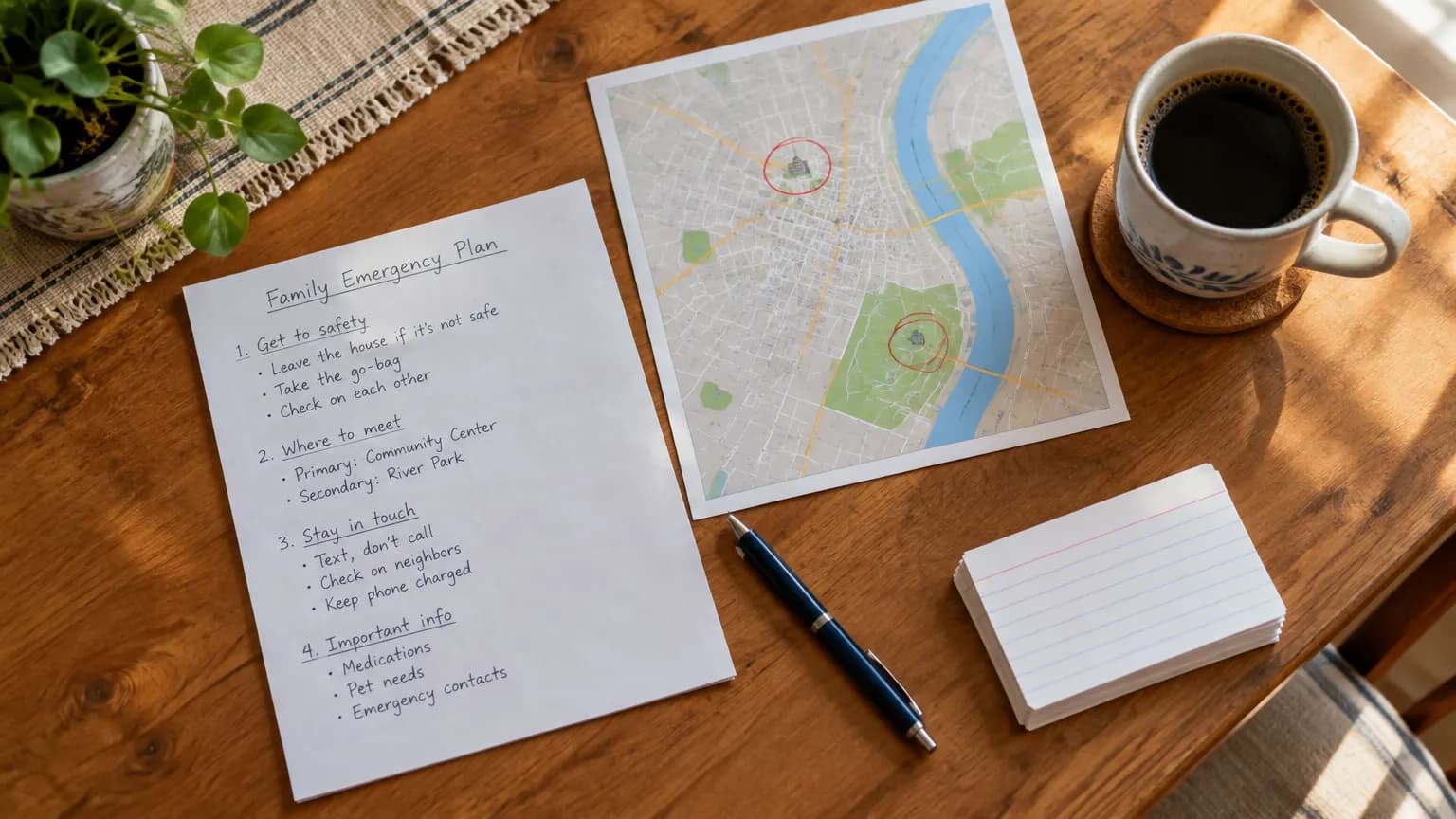
The Family Emergency Plan: What to Actually Write Down
Supplies are the easy half of preparedness. The harder half is what your household does when it is scattered across town and the phones are not working. Here is the plan, and a card you can fill in and carry.
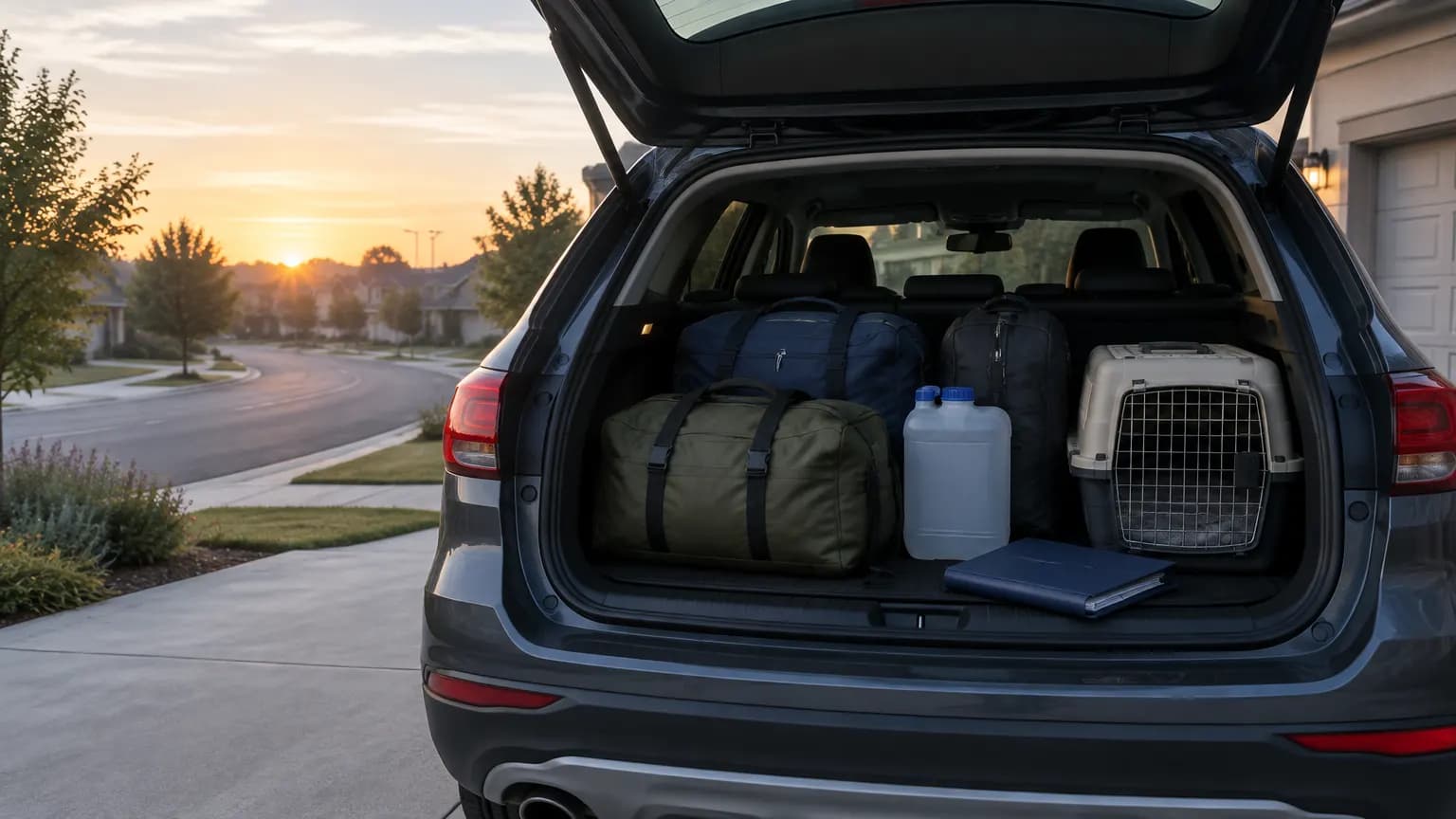
When to Leave: Building an Evacuation Plan Before You Need One
The people who get out cleanly are rarely the fastest packers. They are the ones who decided the threshold in advance and had a list for fifteen minutes, one hour, and six.
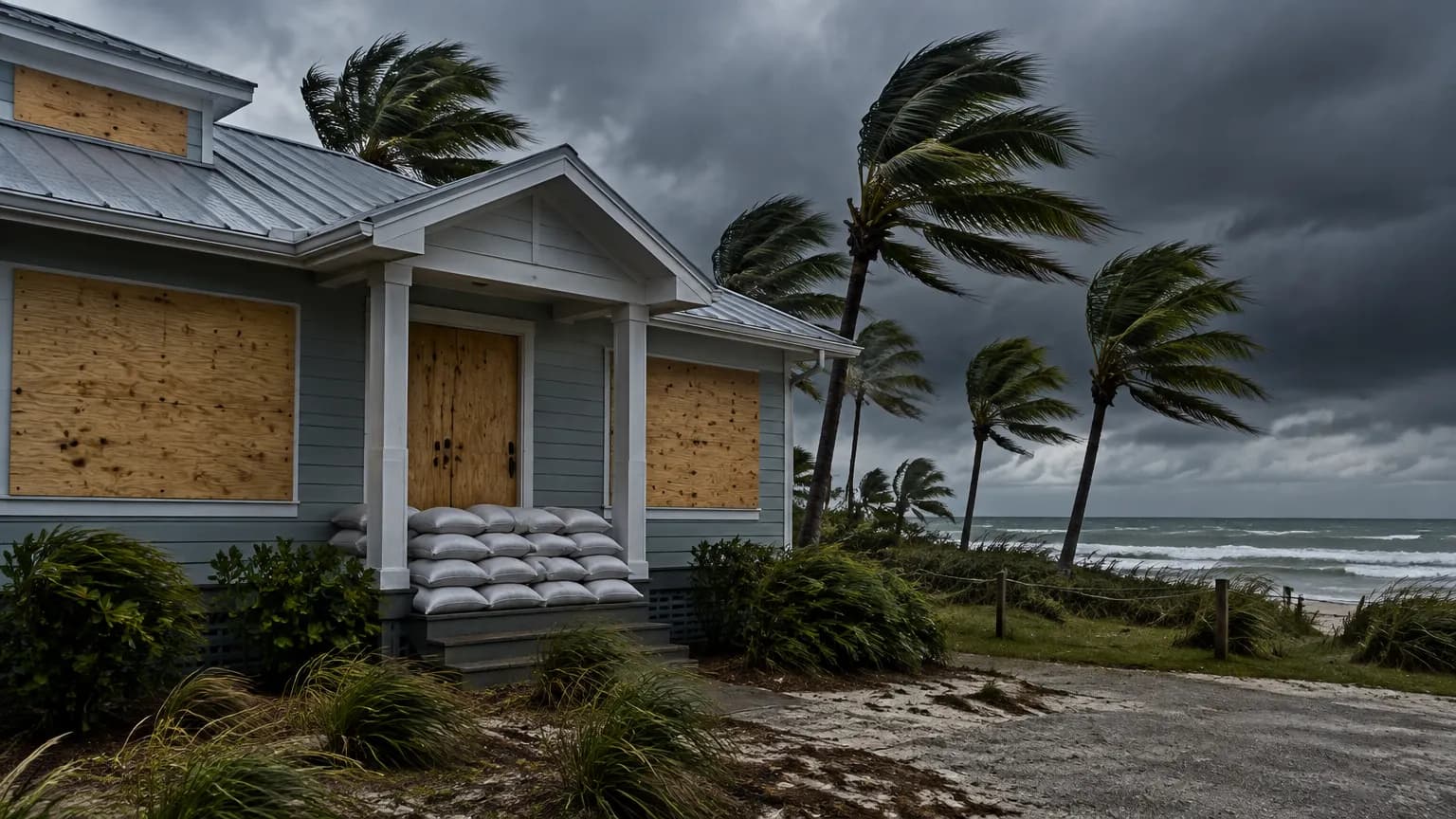
The Natural Disaster Kit: What Changes by Disaster Type
About eighty percent of a disaster kit is the same everywhere. The other twenty percent, and the warning time you get, is what separates a hurricane from an earthquake. Here is what to change.
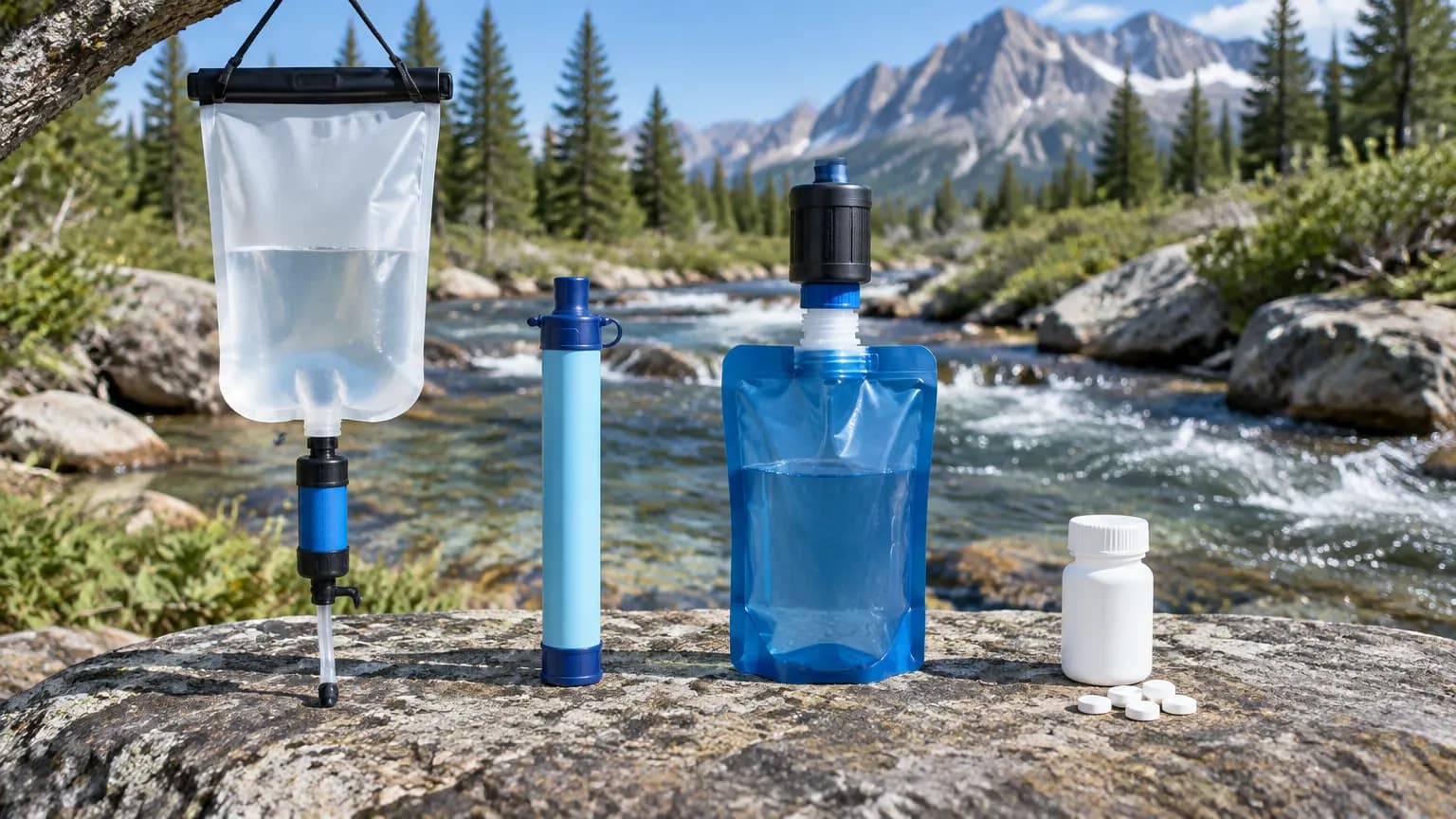
Emergency Water Filters Compared: Gravity, Squeeze, Straw, Tablets
Four ways to make water drinkable, each good at something different, and the difference between a filter and a purifier that decides whether yours is enough on its own.
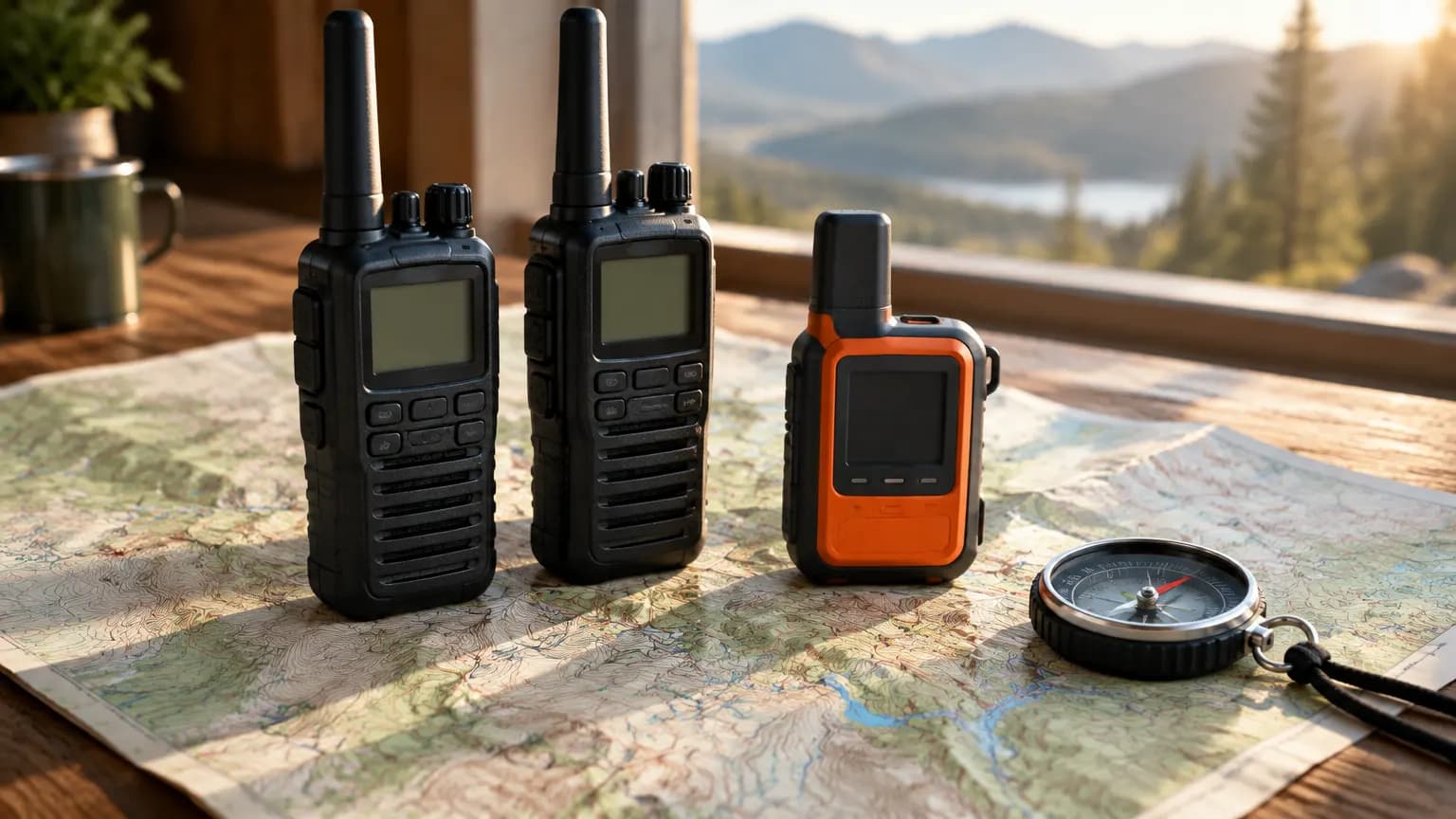
Staying Reachable When the Network Is Not: Radios vs Satellite
Two-way radios, satellite messengers, and weather radios do three different jobs, and the advertised range on the box is not the range you will get. Here is how to choose between them.
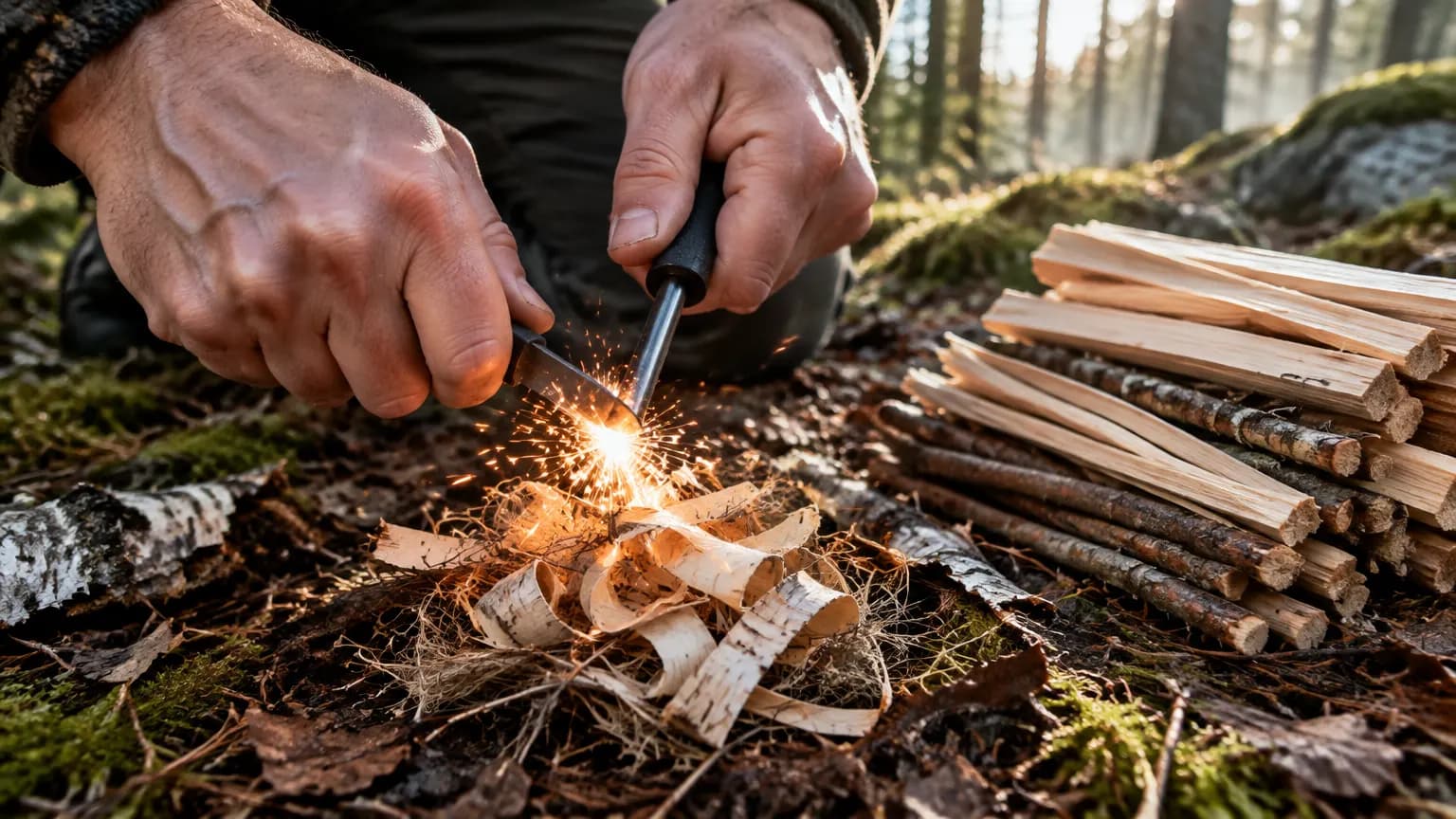
How to Start a Fire Without a Lighter or Matches
Friction fire makes good television and is a poor plan. Here is what actually works when the lighter is gone, how the methods compare when it is wet, and why the tinder matters more than the spark.
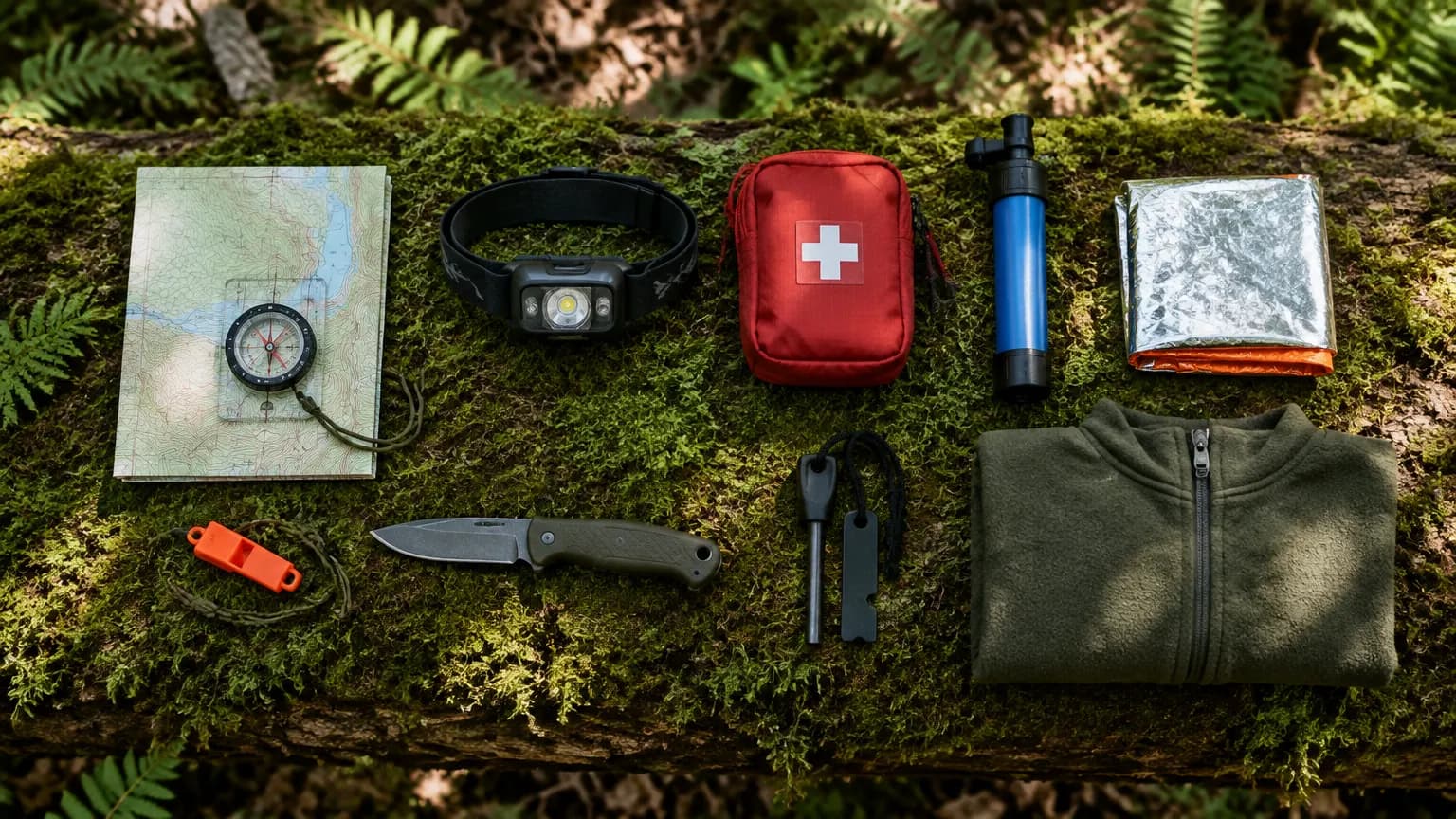
The Wilderness Survival Kit: What Belongs in a Day Pack
Most people who need a survival kit are on a day hike, not an expedition. Here is the small, light set of items that turns an unplanned night outside from an emergency into an inconvenience.

If You Get Lost in the Woods: STOP, and What Comes Next
The instinct when you realize you are lost is to keep moving and find the trail. That instinct is usually what turns a short search into a long one.
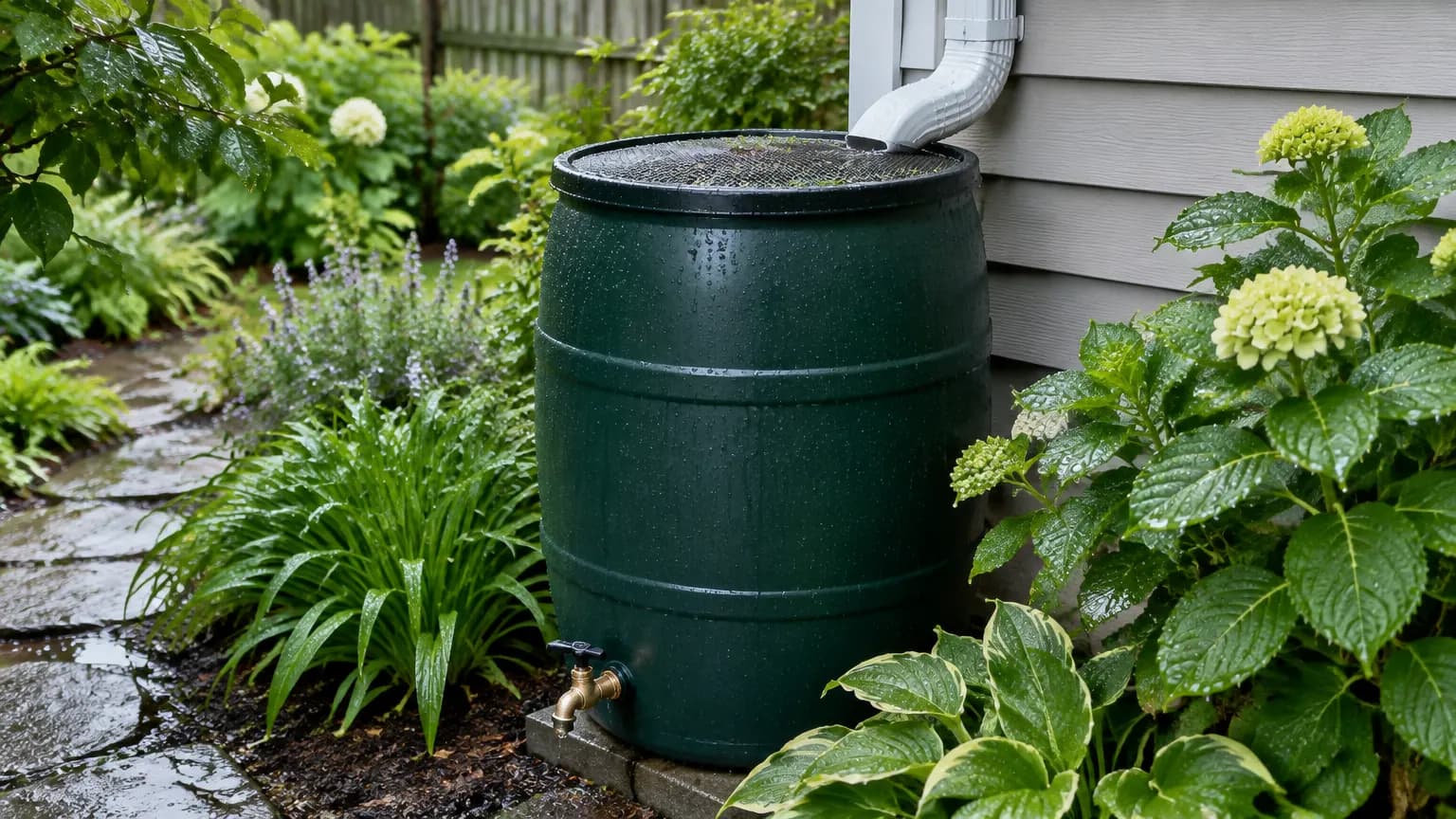
Rainwater Harvesting: How Much You Can Collect, and What It Is Safe For
A single inch of rain on an average roof is hundreds of gallons. Here is the arithmetic, the hardware that makes it usable, and the honest answer on whether you can drink it.
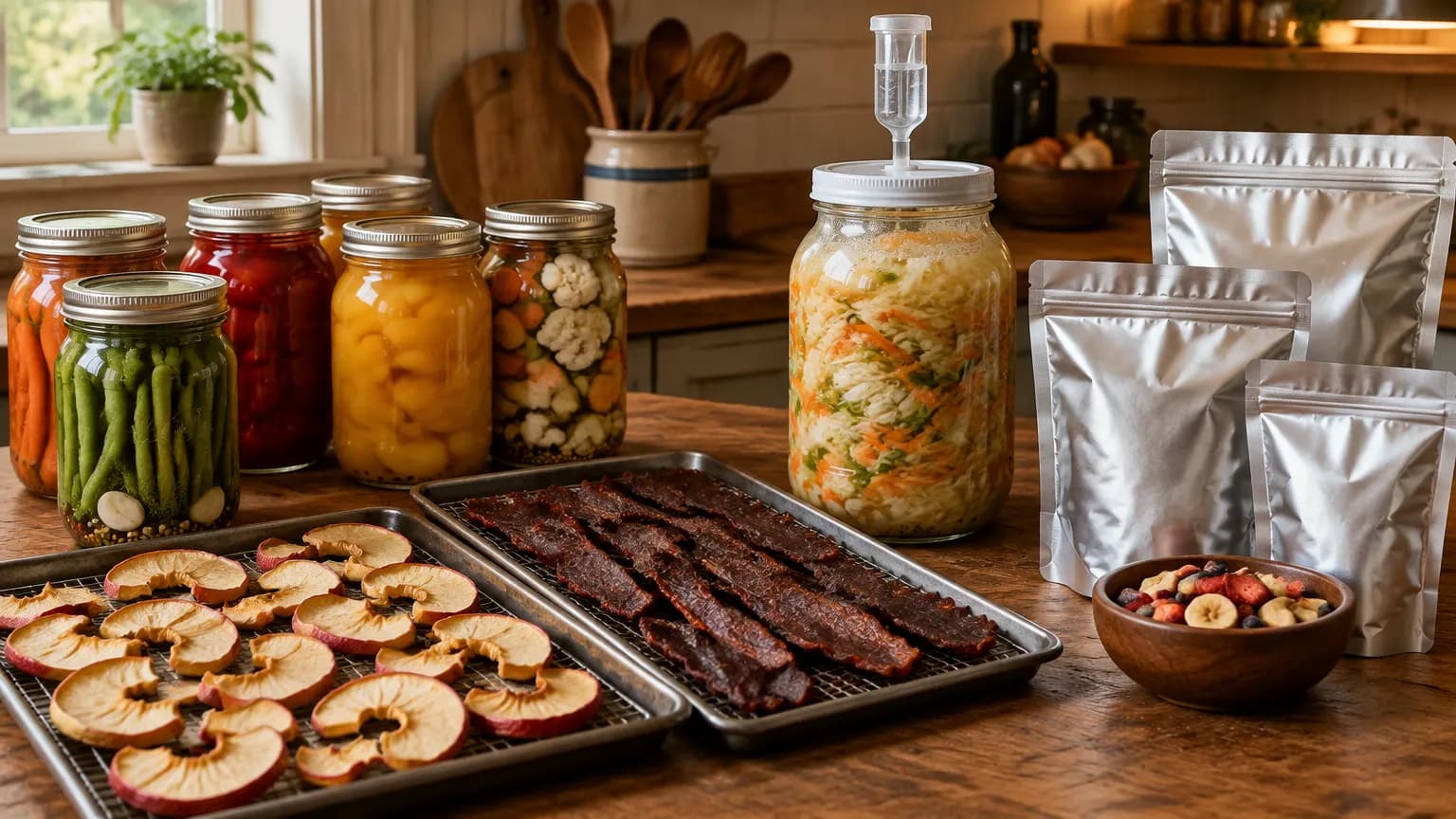
Food Preservation Compared: Canning, Dehydrating, Freeze Drying, Fermenting
Five ways to make food last, with honest shelf lives, real equipment costs, and the one method that fails precisely when you need it most.
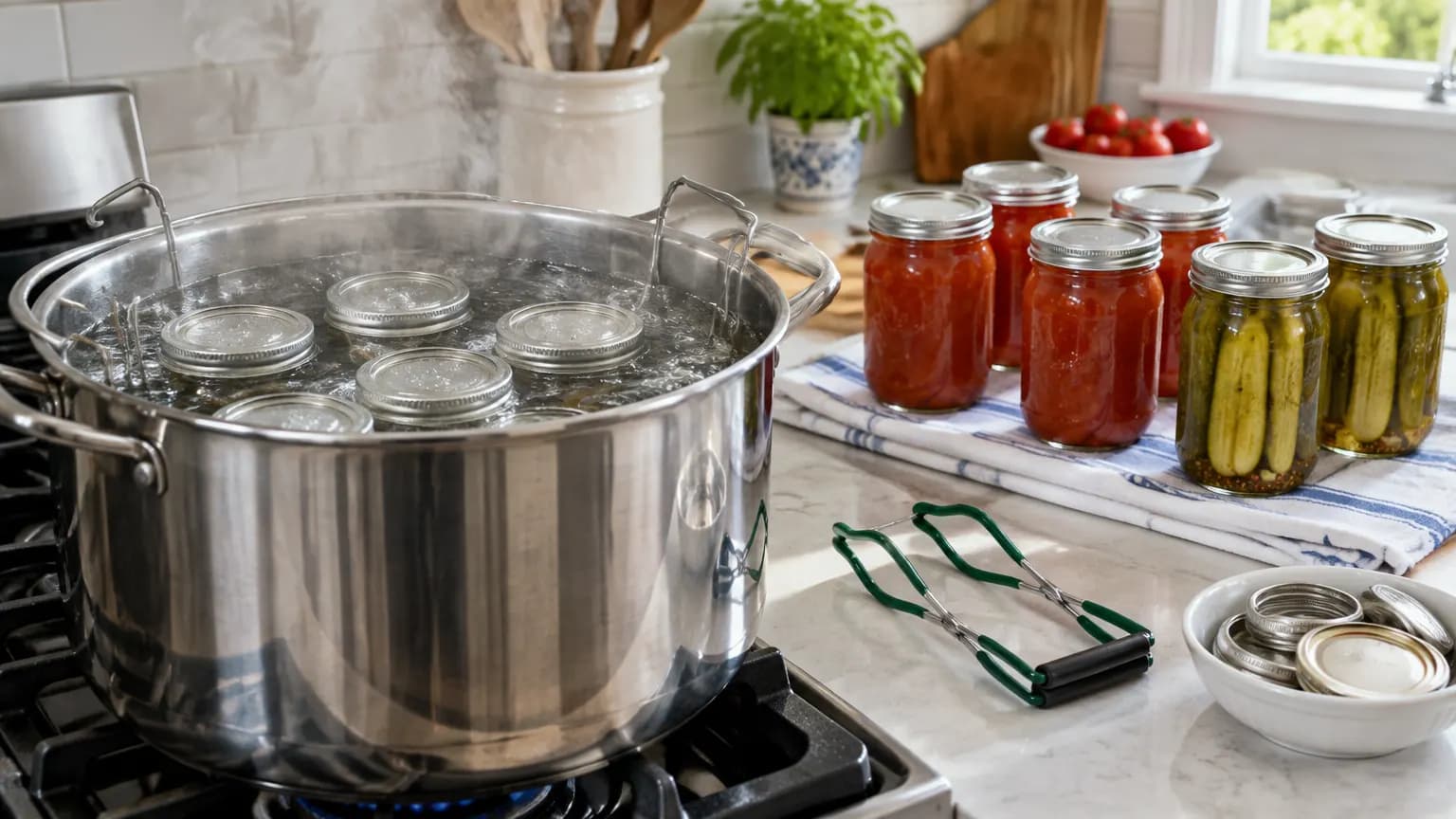
Water Bath Canning: What It Can Preserve, and What It Must Never Touch
Water bath canning is the cheapest way to fill a shelf with food that keeps for years. It is also the method with one rule you cannot bend, and the reason is botulism. Jams, jellies, peaches and the acid boundary, with the tested sources named.
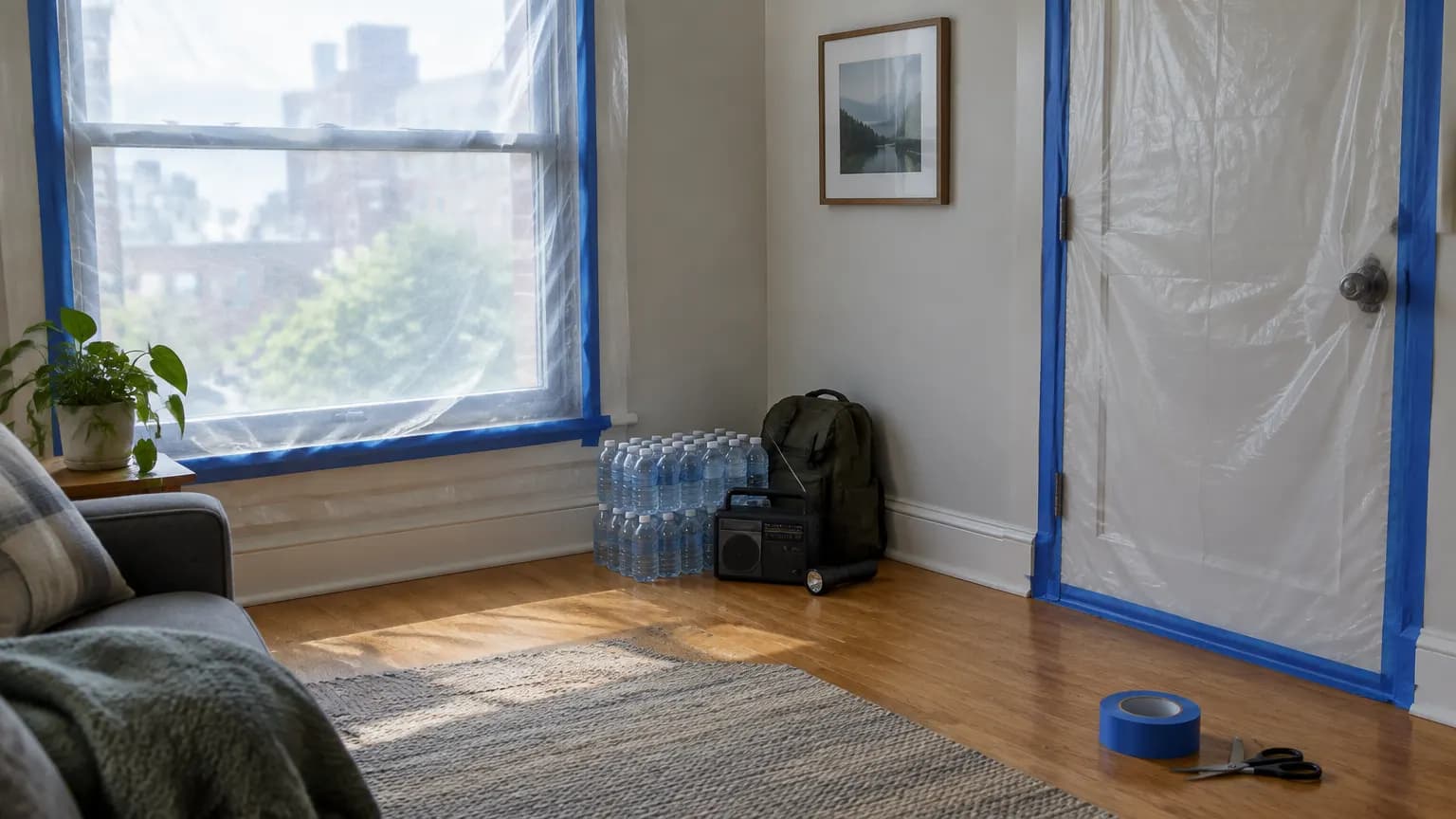
Shelter in Place: What It Means and How to Do It Properly
The phrase covers at least four different situations that call for four different responses. Doing the chemical-release version during a tornado would be exactly wrong.
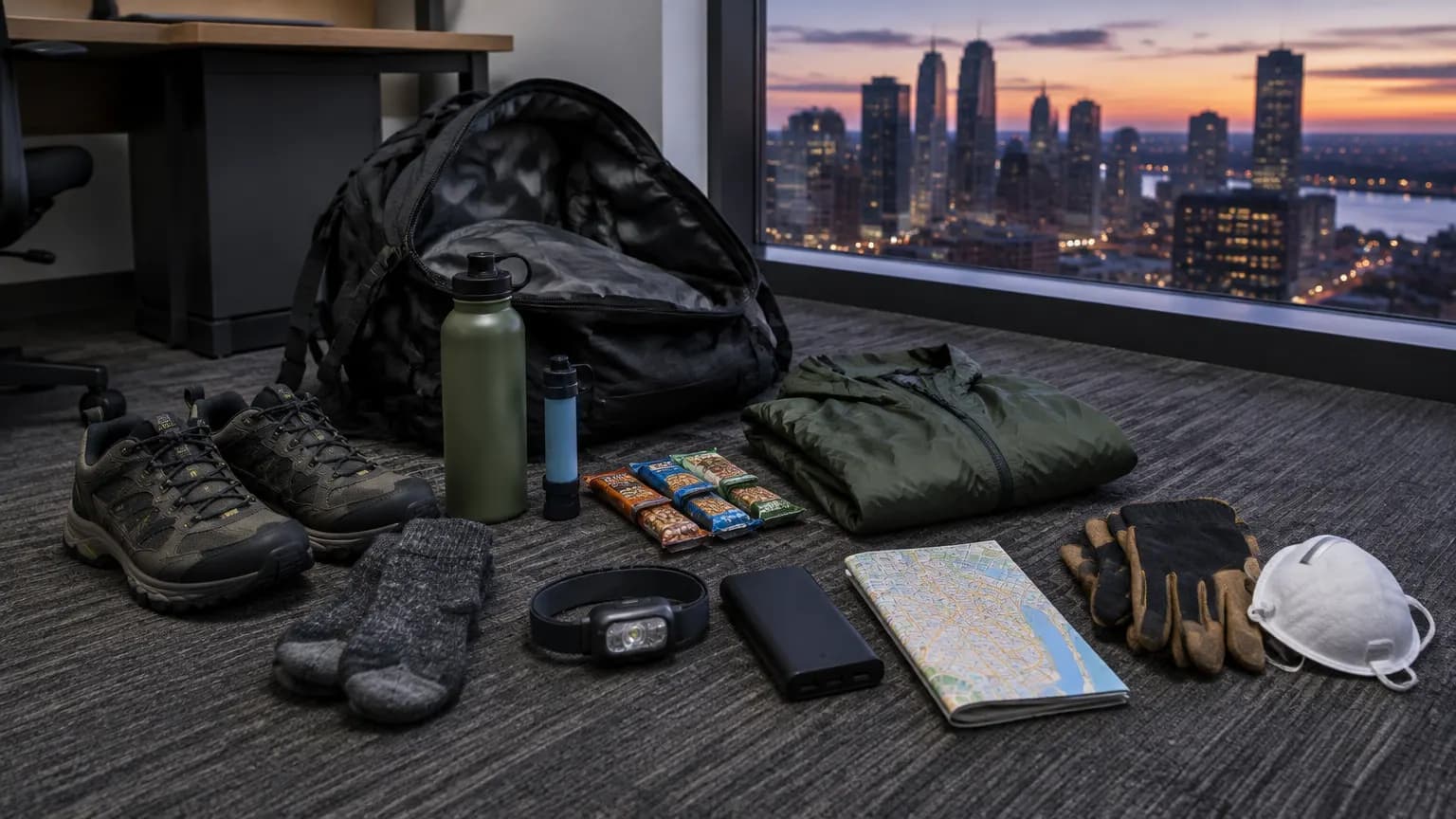
The Get-Home Bag: Making It Back When the Commute Fails
Most emergencies find you at work, not at home. A get-home bag is the small, unglamorous kit that turns an eight-mile walk in dress shoes into an ordinary bad evening.
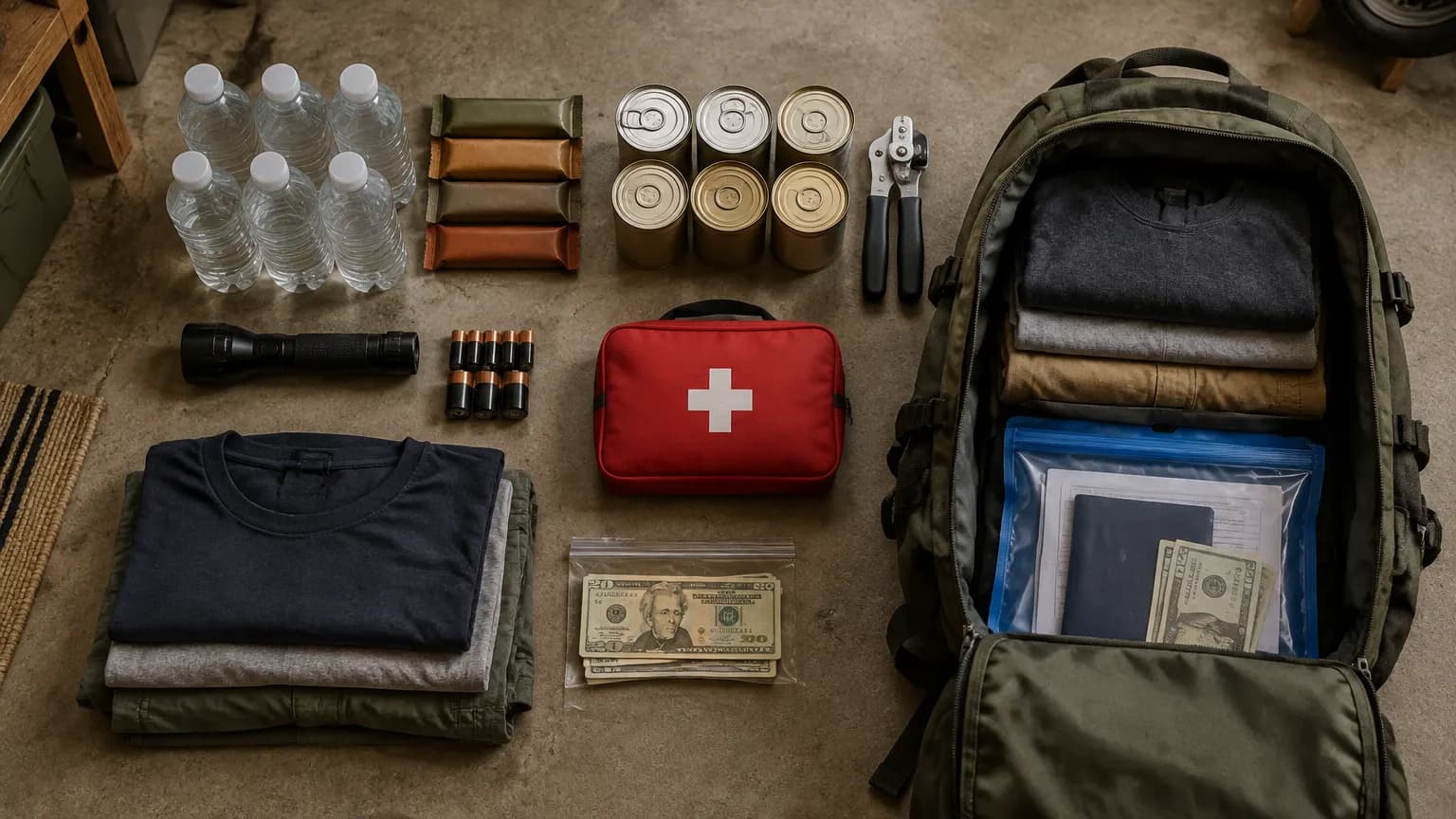
The Complete 72-Hour Emergency Kit Checklist
Every agency publishes the same list, and none of them do the arithmetic. Here is what a 72-hour kit holds for your household size, how much it weighs, and what you can skip.
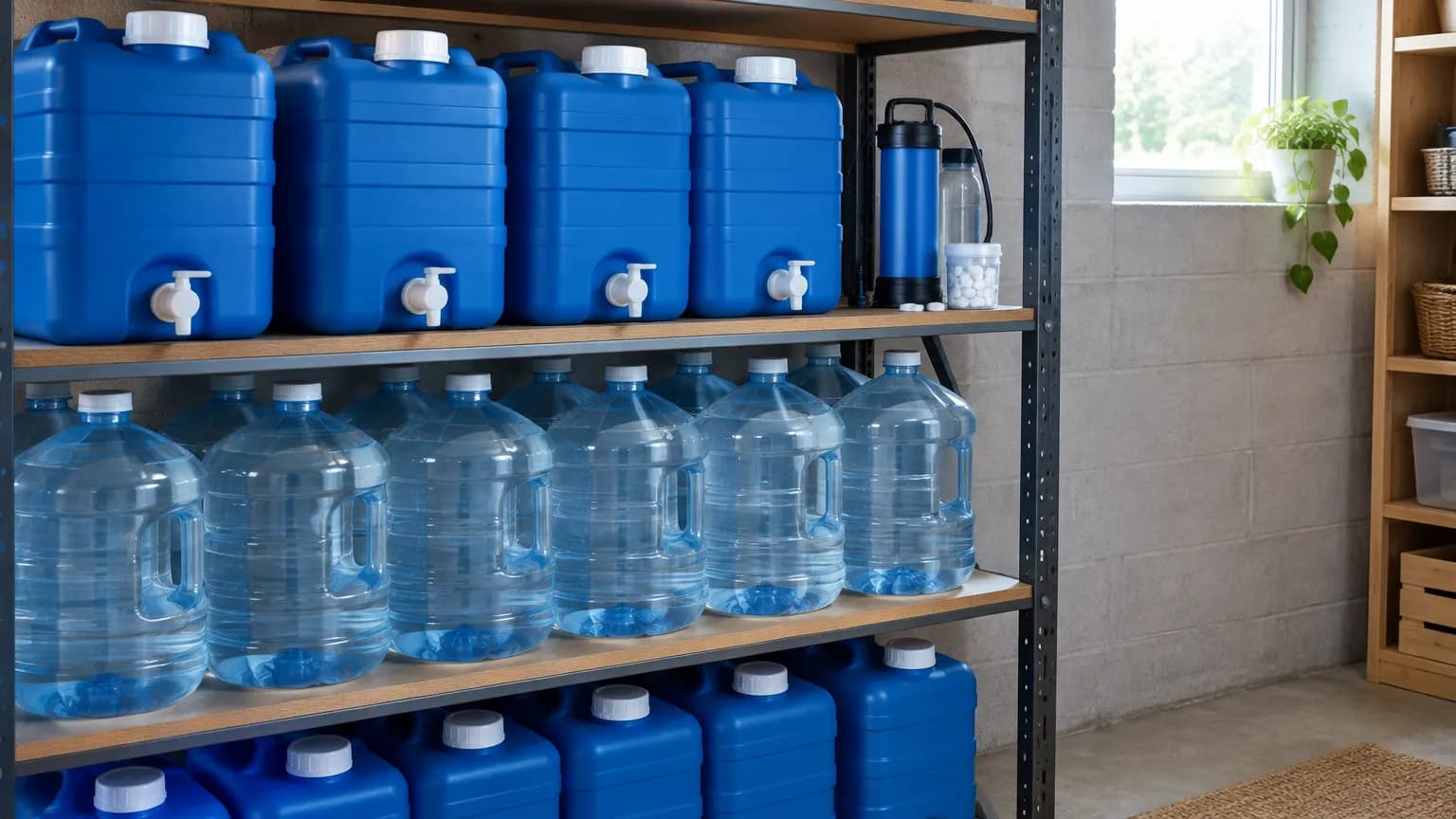
How Much Water Should You Really Store? A Complete Guide
One gallon per person per day is where the advice stops and the arithmetic begins. Here is what three days, two weeks and a month actually look like in containers, floor space and weight.
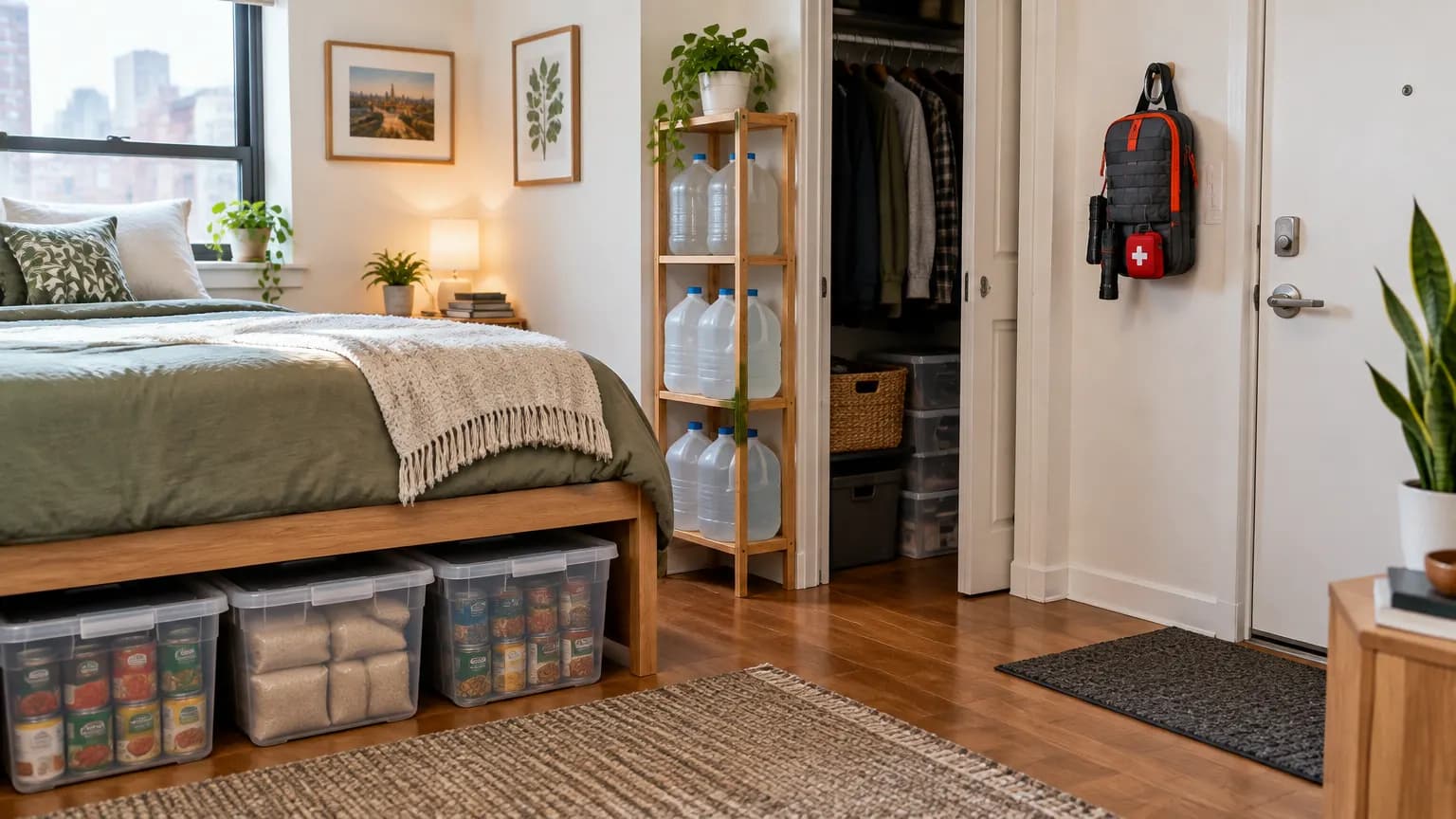
Urban Prepping: Building a Survival Stockpile in a Small Apartment
Most prepping advice quietly assumes a basement and a garage. In a flat the constraint is cubic feet, not money. Here is where three days of supplies actually fit, and what to give up first.
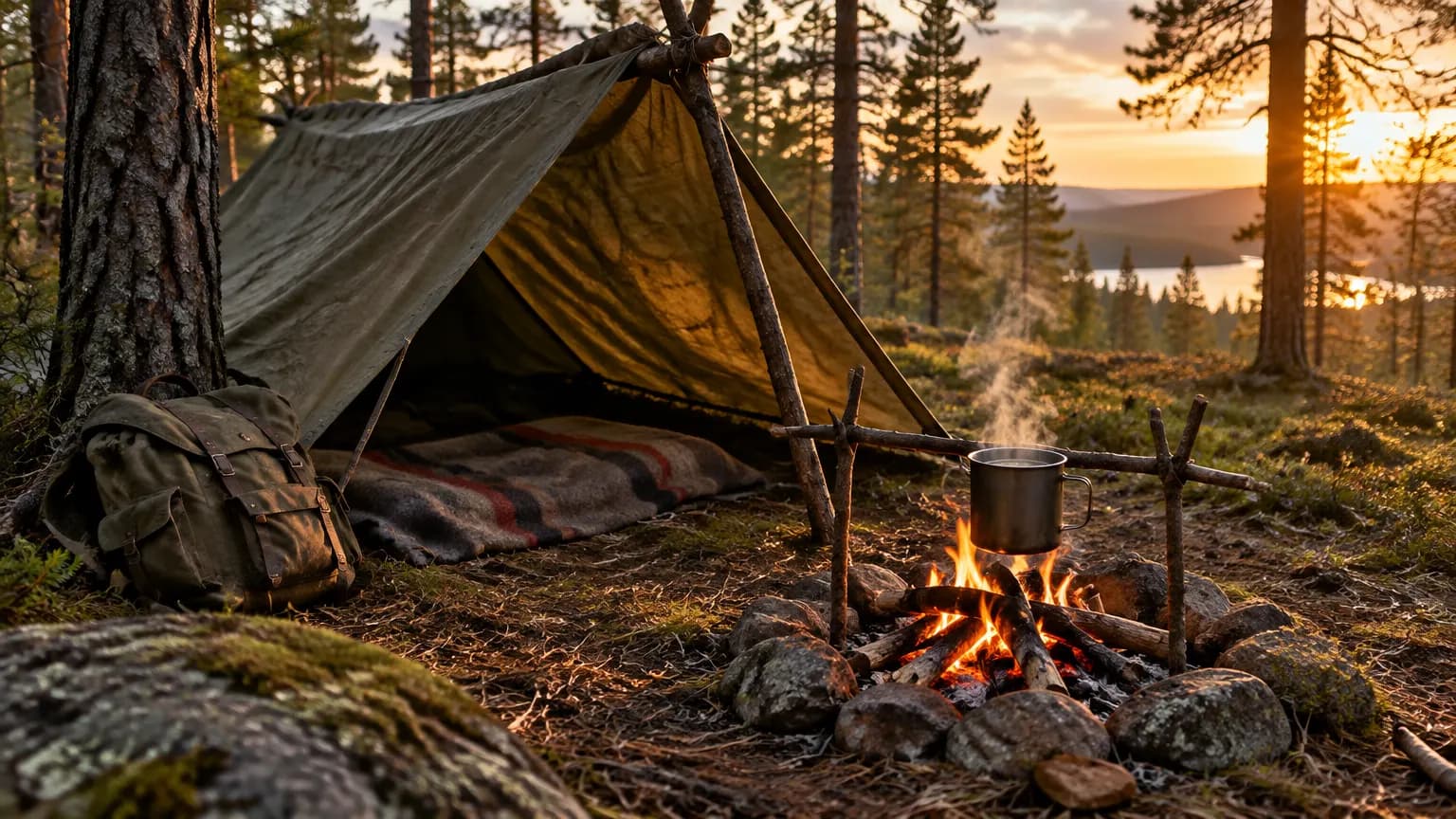
The Survival Rule of Threes: What to Prioritize When Things Go Wrong
The Rule of Threes is a memory aid, not physiology, and two of its four numbers are badly wrong in the wrong conditions. Here is what it gets right, where it misleads, and how to triage for real.
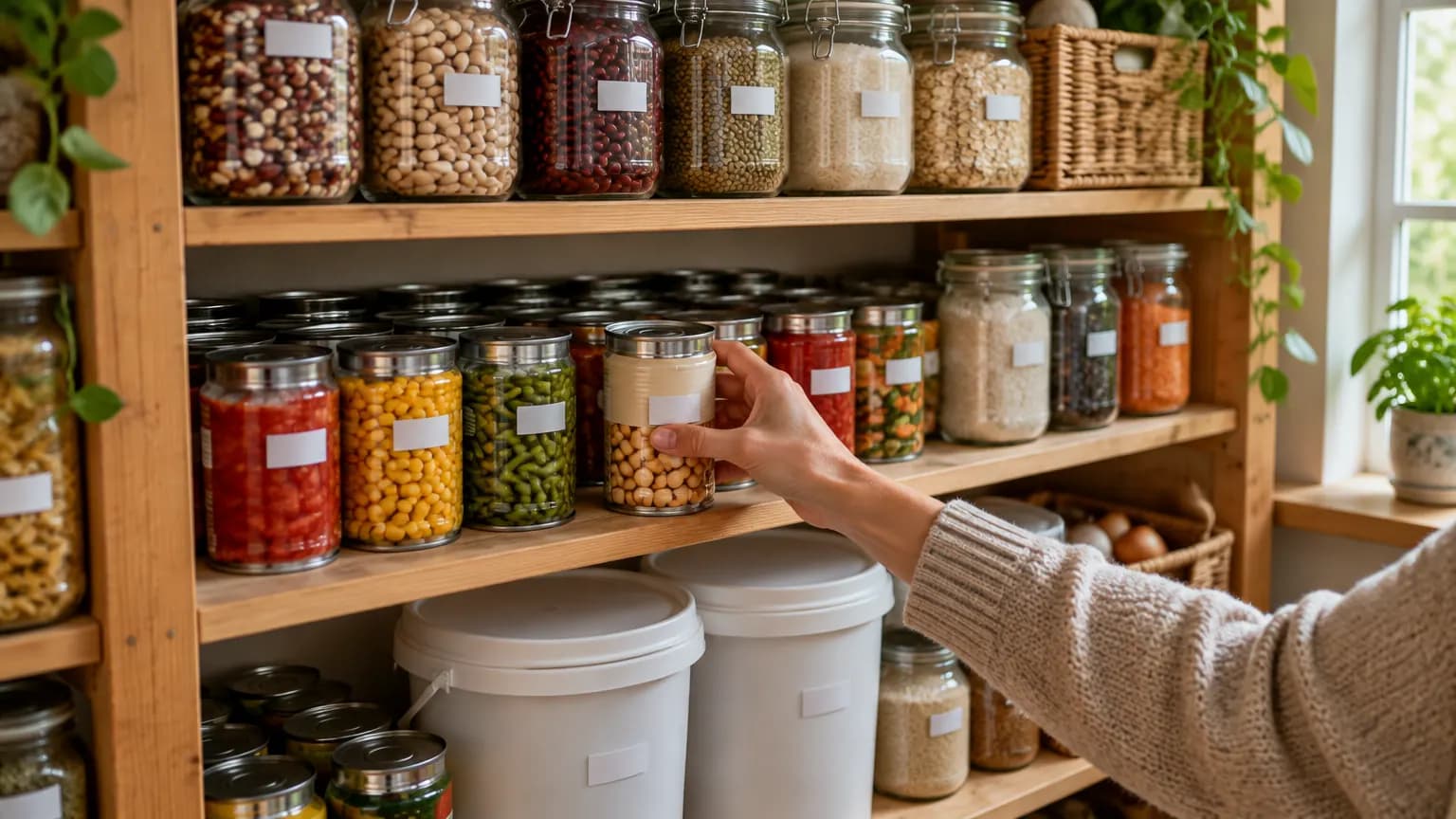
First In, First Out: A Sustainable System for Rotating Your Food Storage
A stockpile you are afraid to touch is a stockpile that expires. Here is how to run a pantry that feeds you every week and happens to hold a month of food, and what printed dates really mean.
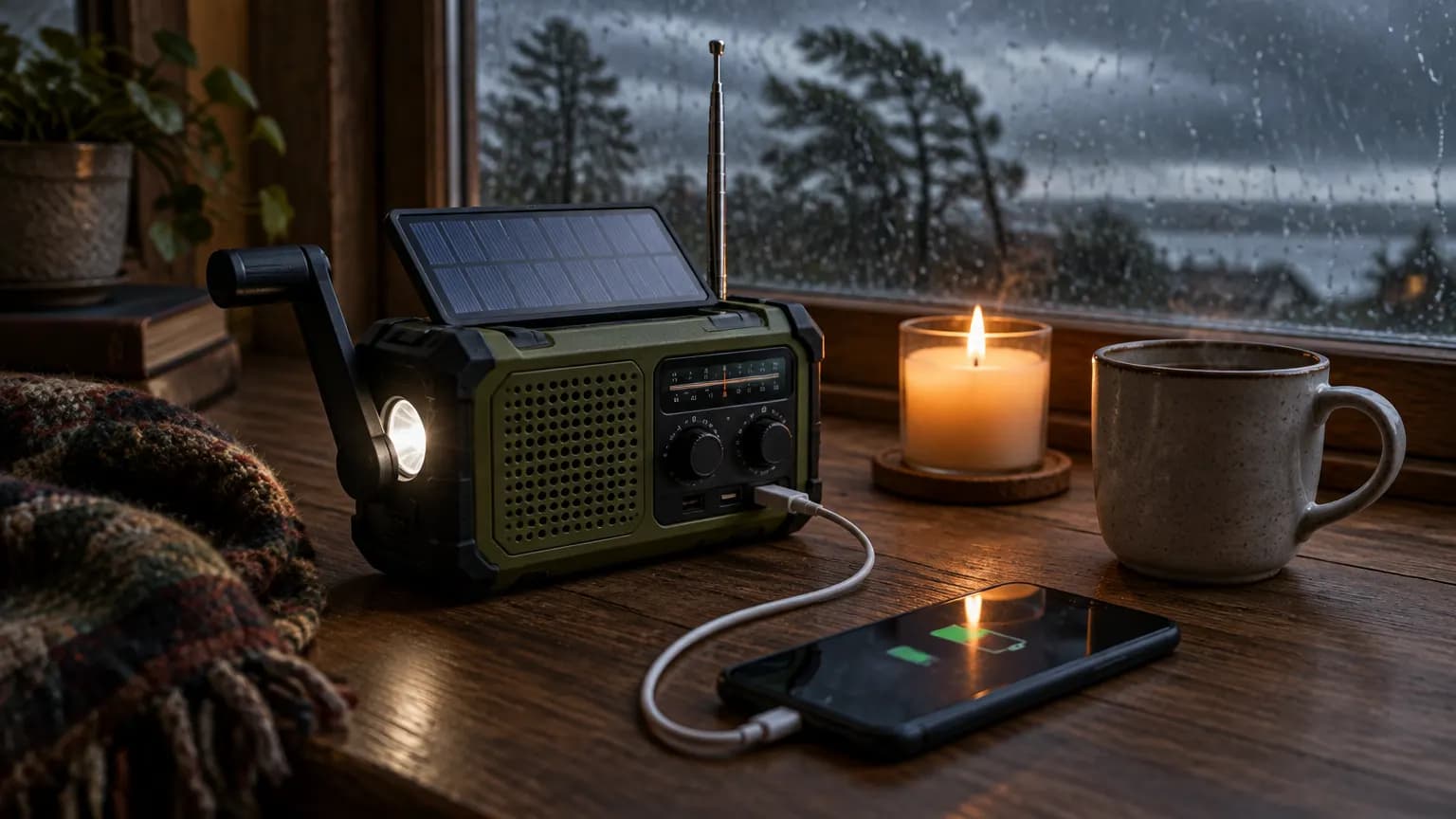
Hand-Crank Emergency Radios Compared: What Actually Matters
Crank radios are sold on feature lists and a battery number chosen to look big. Here is what separates a useful one from a novelty, what the solar panel really contributes, and where Eton and Midland actually sit.