 The Prep Nest
When to Leave: Building an Evacuation Plan Before You Need One
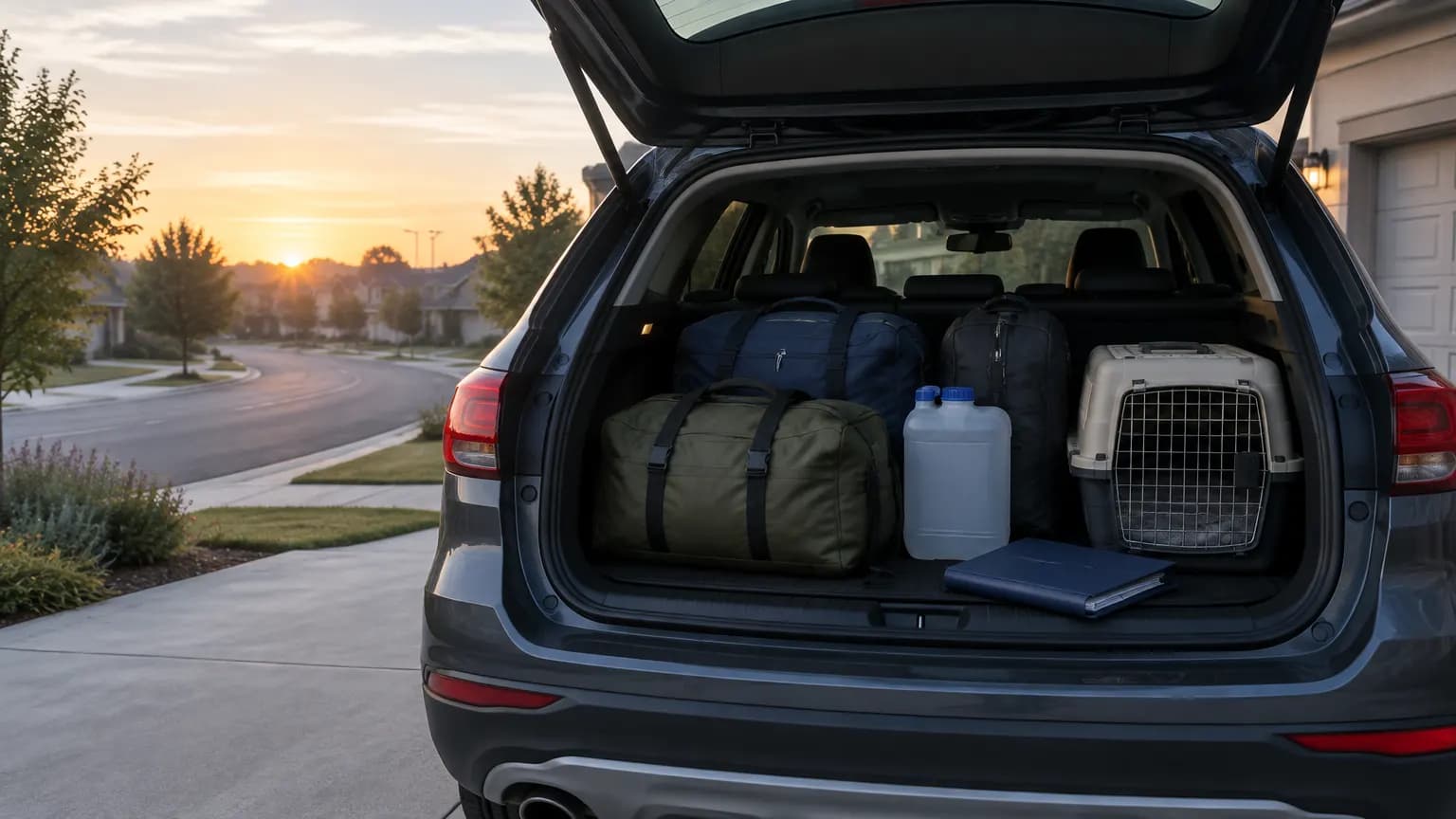
Evacuation goes wrong in two directions. People leave too late, after the roads are full and the decision has been made for them, or they leave in a panic and arrive somewhere safe without their medication, their documents, or their dog's carrier. Both failures come from the same root: the decision and the packing were improvised at the moment of highest stress.
Fix the decision first. Write down the conditions under which you would leave, before anything is happening. Reasonable triggers: an official evacuation order, obviously, but also an evacuation warning for your zone if anyone in the household is slow to move, a fire on the wrong side of a ridge with wind blowing toward you, water rising past a landmark you chose in advance, an indoor temperature during a long outage that you are not willing to sleep in, or a medical device you can no longer power. The point of writing them down is that you will be tired and arguing when they arrive, and a decision made in advance is easier to act on than one made in the moment.
Then build the packing list in three tiers, because how much time you get is the one thing you do not control. The fifteen-minute list is people, pets, medication, phones and chargers, wallet and keys, and the documents pouch. That is it, and everything on it should live somewhere you can grab it without searching. The one-hour list adds the go bags, a cooler of food, water, laptops, and a change of clothes each. The six-hour list adds the things you would grieve: photo albums, hard drives, heirlooms, the contents of the safe. Print the tiers and tape them inside a cupboard door.
Documents deserve their own treatment. Keep a physical folder with identification, birth certificates, passports, insurance policies, deeds, and prescriptions, and keep scanned copies in cloud storage that you can reach from a phone. The folder goes in the fifteen-minute tier. The scans are what save you if the folder does not make it.
Plan at least two routes out, and know the second one properly. The main highway is where everyone else will be, and traffic lights do not work in an outage, which turns every major intersection into a slow four-way stop. Look at a paper map, not just a navigation app, because the app depends on a network that may be congested or down. Keep a printed map in the car with your routes and both meeting points marked.
Keep the car ready, which mostly means fuel. Gas pumps need electricity, so the station is often useless precisely when you need it. The habit that solves this is refilling at half a tank rather than at the warning light, and topping up whenever a storm is in the forecast rather than after it arrives. An electric car needs the same discipline in reverse: charge it when the forecast turns, not when the power is already out.
Pets and livestock need deciding in advance too. Many emergency shelters cannot accept animals, so know which hotels on your route allow them, or which friend or boarding facility outside the area would take them. Carriers, leashes, food, and vaccination records belong with the go bags, not in a cupboard you will forget.
One rule overrides everything else on the road: do not drive into water. Six inches of moving water can knock an adult off their feet, and a foot of it can float most cars, including large ones. Flooded roads also hide washouts you cannot see. If the road ahead is under water, turn around and take the other route you planned for exactly this reason.
Finally, tell someone. Text your out-of-area contact when you leave, where you are going, and which route you took, and again when you arrive. If you are heading somewhere without reliable cell coverage, a satellite messenger does the same job where a phone cannot. Evacuating is not the dangerous part; being unaccounted for is.
Recommended gear for this guide
Picks from our Gear Guide that cover what this article talks about. Affiliate links; see our disclosure.
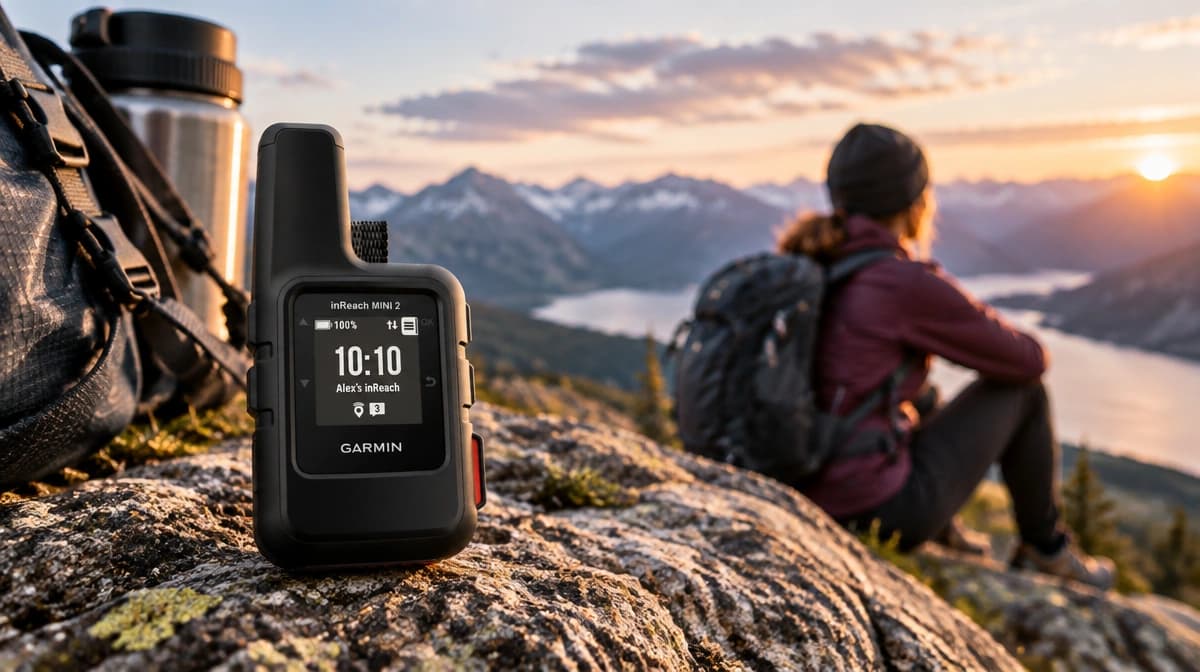
Portable satellite messenger
$$$Garmin inReach Mini 2
Two-way text and SOS capability with no cell signal required. Needs a subscription, but it is the device that gets help to you off-grid.
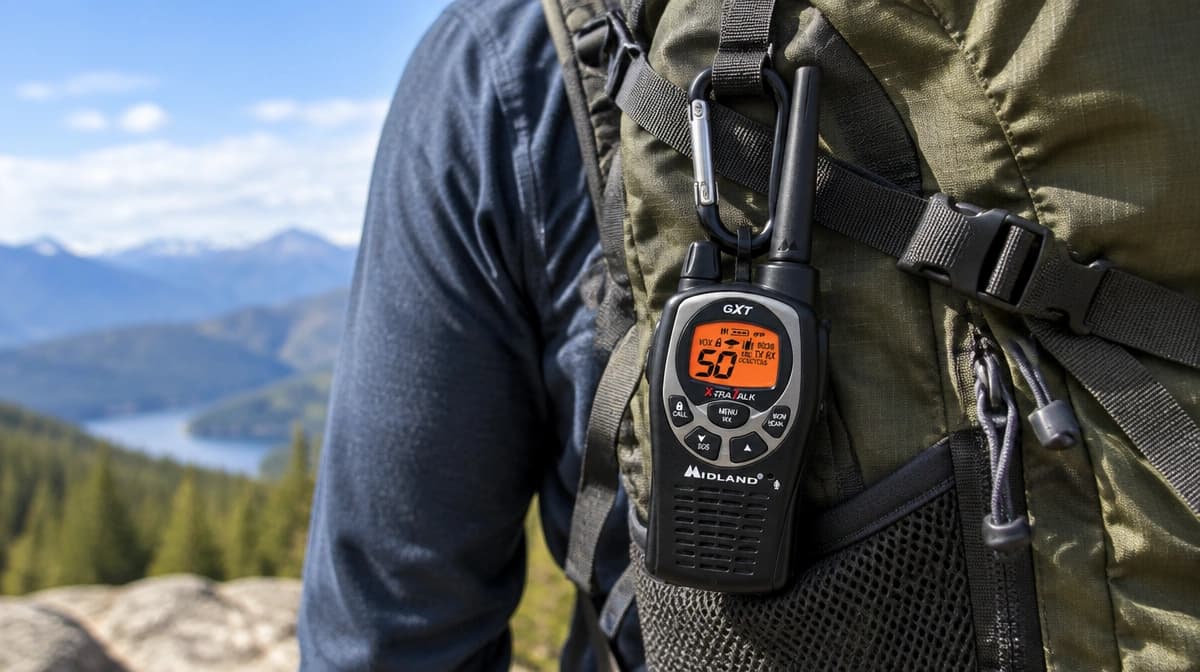
FRS/GMRS two-way radios
$$Midland GXT1000VP4 (pair)
Keep household members in contact without relying on cell service. Includes NOAA weather channels and a charging dock.
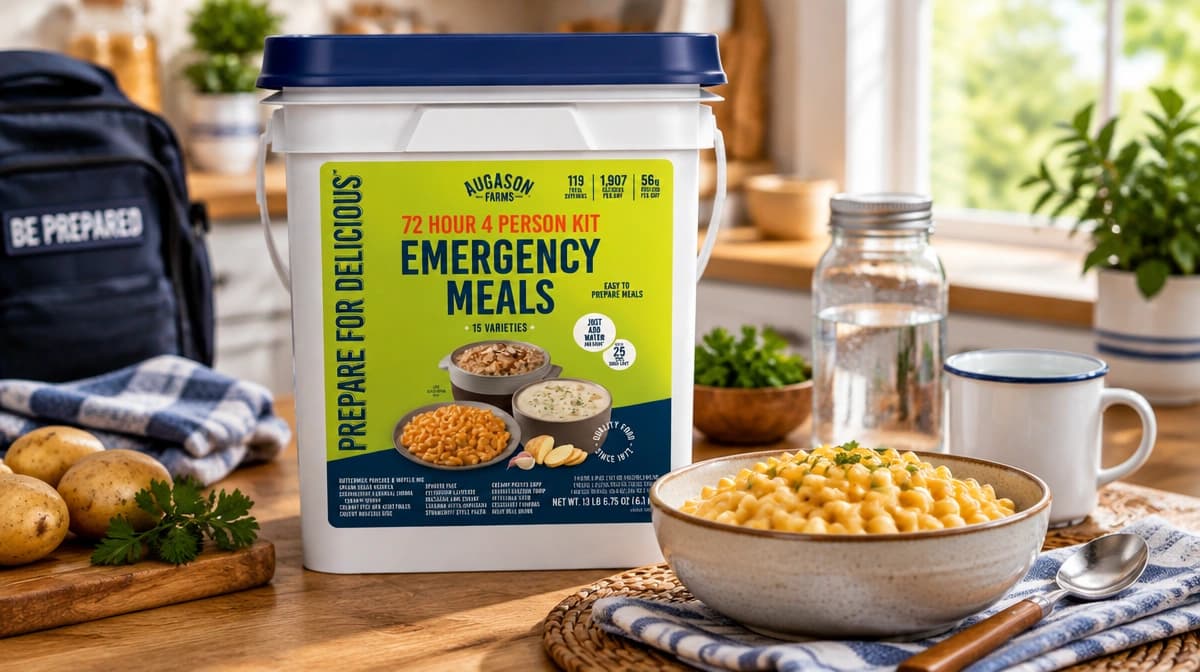
Freeze-dried meal kit
$$Augason Farms 4-Person 72-Hour Kit
Long shelf life with minimal prep: add water and eat. Covers a family of four for the critical first three days.
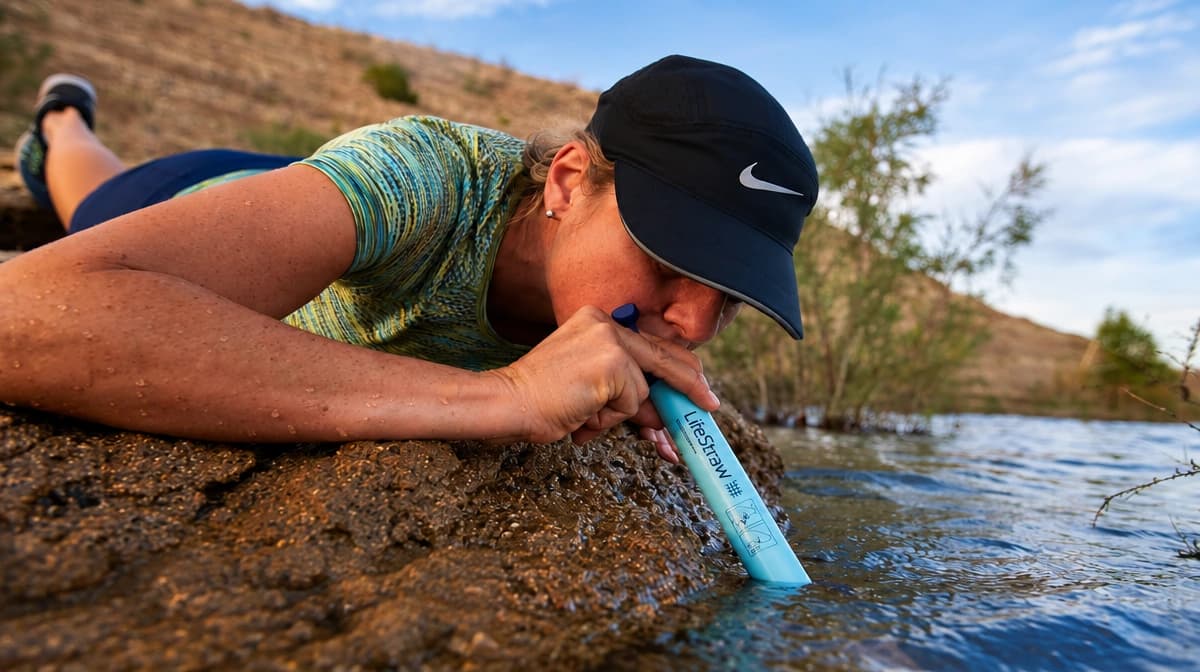
Personal straw filter
$LifeStraw Personal
Compact, single-user filtration for bug-out bags and day hikes. No moving parts, nothing to break.
Keep reading
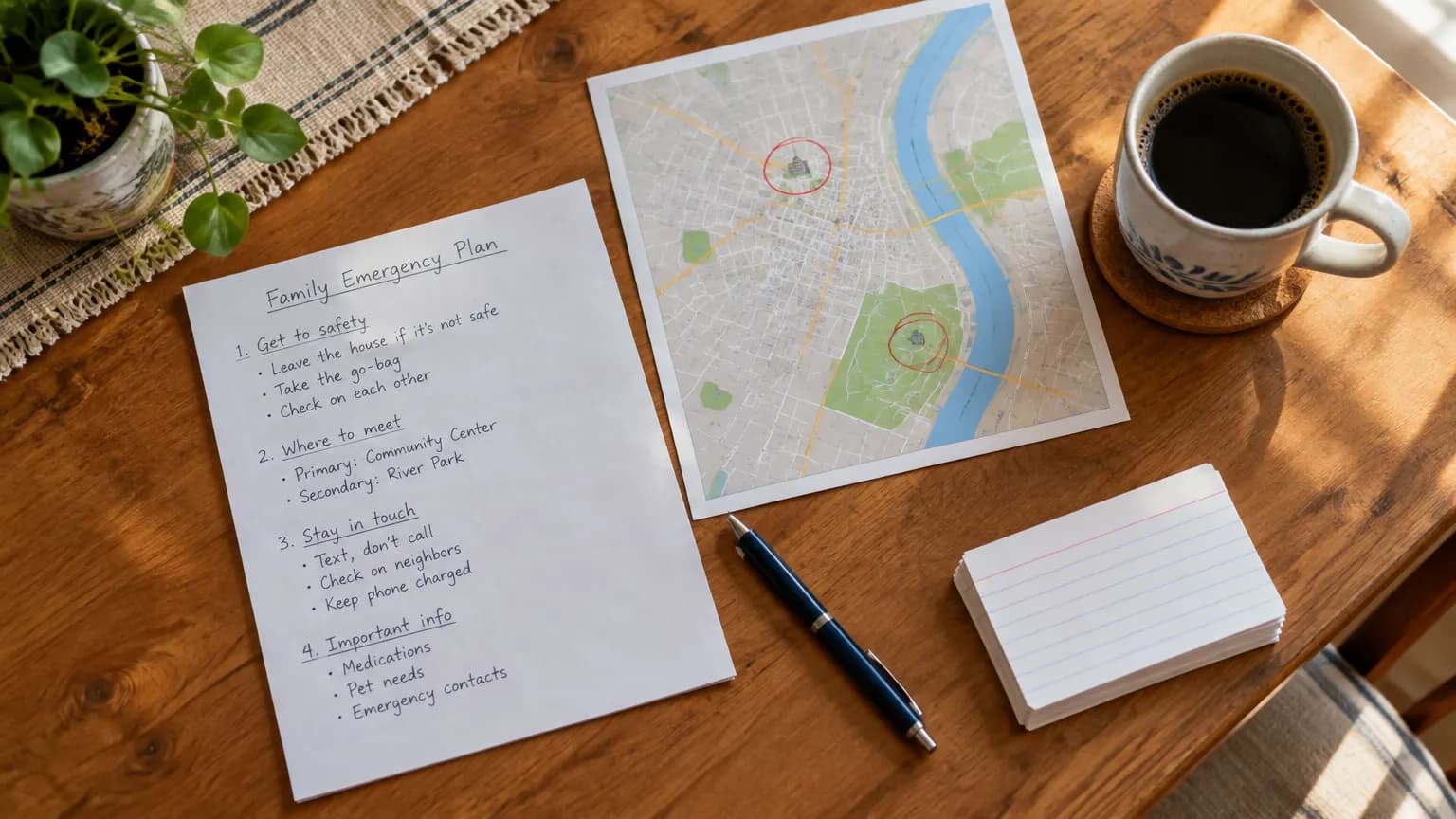
The Family Emergency Plan: What to Actually Write Down
Supplies are the easy half of preparedness. The harder half is what your household does when it is scattered across town and the phones are not working. That part has to exist on paper.
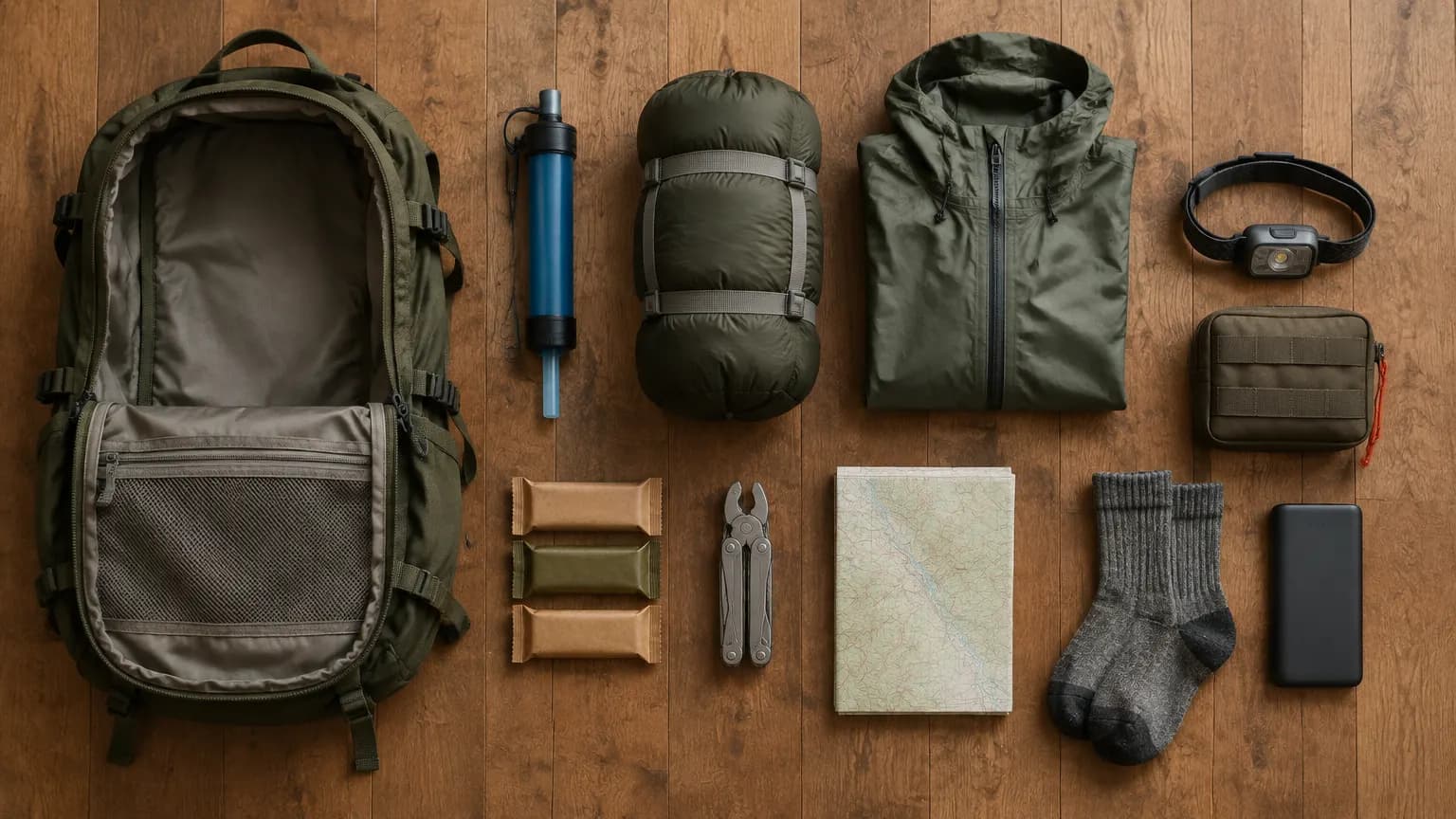
The Bug Out Bag You Would Actually Carry
Most bug out bags fail the same way: they are packed for every scenario and too heavy to walk anywhere with. Here is how to build one around a weight budget instead of a wish list.
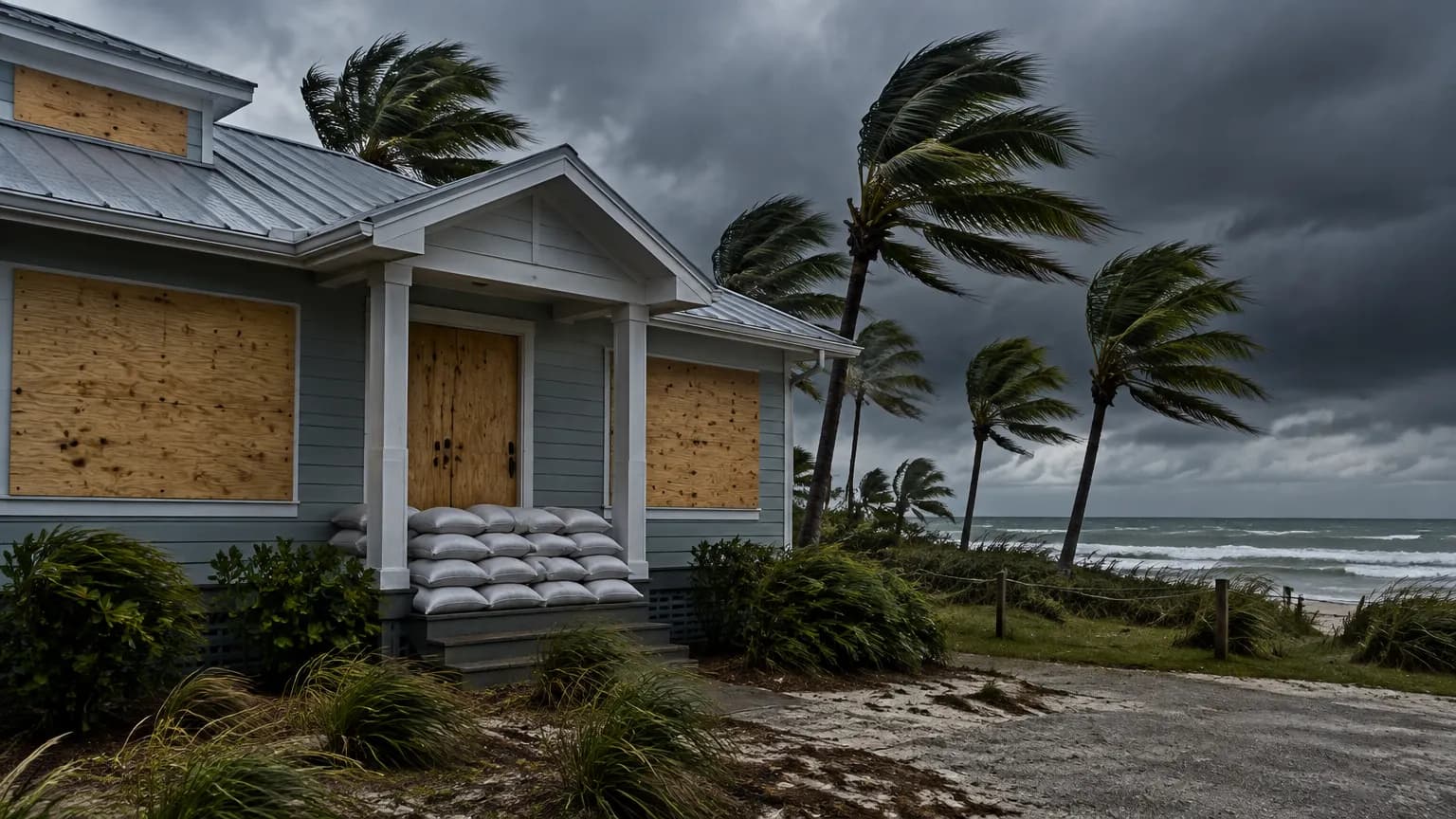
The Natural Disaster Kit: What Changes by Disaster Type
About eighty percent of a disaster kit is the same everywhere. The other twenty percent, and the warning time you get, is what separates a hurricane from an earthquake. Here is what to change.