 The Prep Nest
The Power Outage Emergency Kit: What You Actually Need
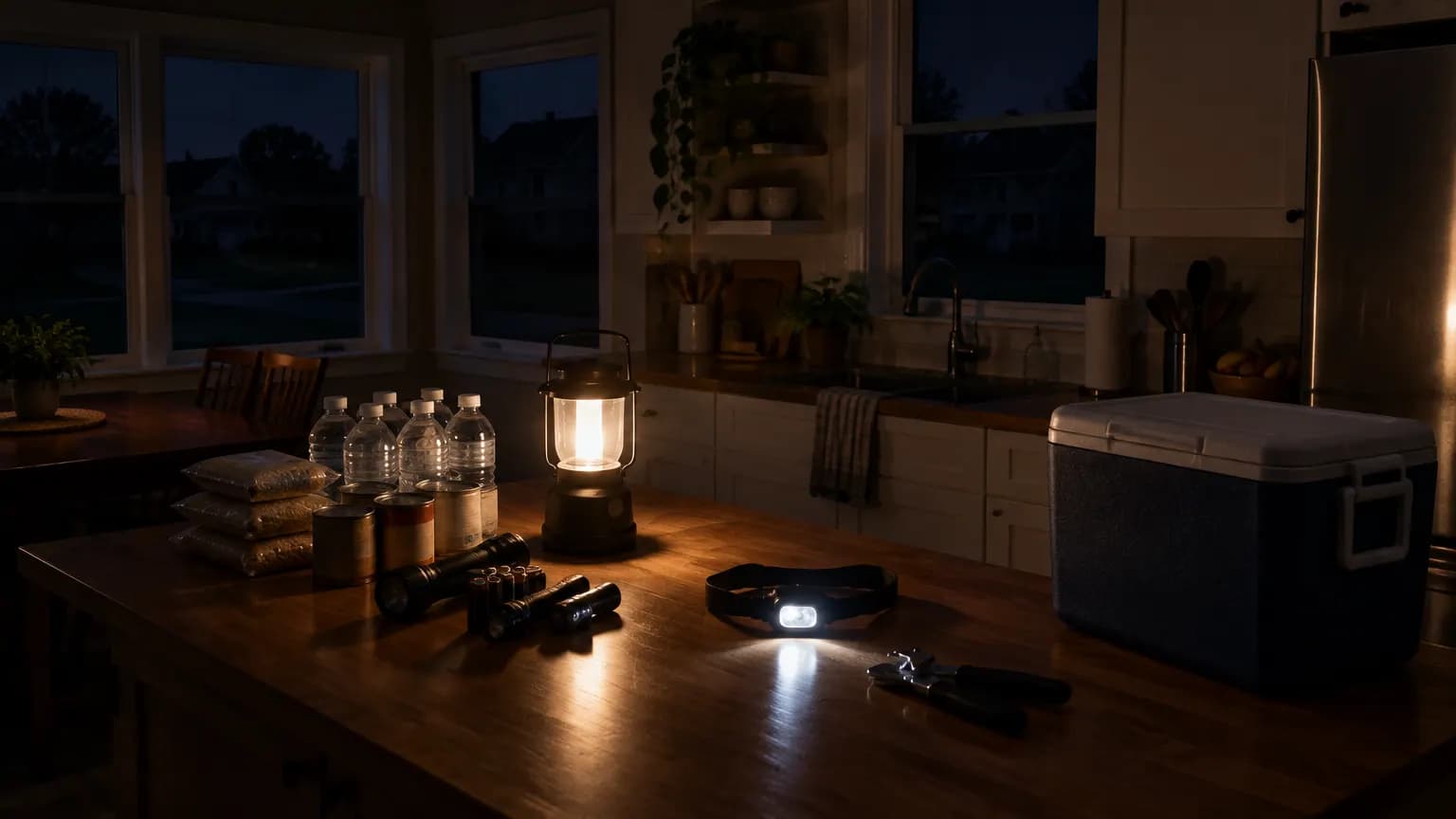
A power outage is the disaster most households actually experience. It arrives without warning, it takes out lighting, cooking, refrigeration, heating or cooling, water if you are on a well, and the internet all at once, and then it ends on a schedule nobody will tell you. A kit built for it looks different from a general emergency kit, because the problem is not survival in the wilderness sense. It is keeping an ordinary house livable without the grid.
Start with light, because it is the thing you will reach for first and the thing most people get wrong. Candles are the traditional answer and the worst one: they are a fire risk in a dark house full of people moving around unfamiliar obstacles. Use battery light instead, and use more of it than feels necessary. One headlamp per person frees up hands for cooking and carrying, and a couple of battery lanterns give a room usable ambient light rather than a single moving beam. Keep the batteries in the kit, not in the drawer you cannot find in the dark.
Next, information. During a widespread outage your phone is on a countdown and the cell towers may be running on their own generators, so the utility's outage map is not something you can rely on. A hand-crank or solar emergency radio with the NOAA weather band gives you official alerts and local AM/FM coverage without depending on anything you own staying charged. The good ones also charge a phone from the crank, slowly, which matters more than it sounds like on day two.
Then power itself. A modern household runs on rechargeable devices, and the gap between a mildly annoying outage and a genuinely disruptive one is usually whether you can keep phones, a laptop, medical equipment, and eventually the refrigerator running. A portable power station covers this, and it is worth sizing deliberately rather than guessing, because the difference between a 1,000 Wh unit and a 3,500 Wh one is the difference between a long evening and a couple of days.
Food is where outages quietly cost people the most money, and the rules are simple enough to write on the inside of the pantry door. An unopened refrigerator keeps food safe for about four hours. A full freezer holds for roughly 48 hours, a half-full one for about 24. Perishable food that has sat above 40 degrees Fahrenheit for more than two hours should be thrown out, and no, you cannot tell by smell. The practical consequence is that every time you open the fridge to look at the food, you are spending the clock. Decide what you need, take it all out at once, and keep the door shut otherwise. An appliance thermometer left in the fridge and freezer turns the guesswork into a number you can read when the power comes back.
Plan to eat without cooking for the first day. Shelf-stable food that needs no heat and no water, plus a manual can opener stored with it rather than in a kitchen drawer, covers the gap while you work out how long this will last. If you want hot food, a camp stove or grill works, but only outdoors, without exception. Running any combustion appliance inside a house or an attached garage produces carbon monoxide, and people die of it after storms every year. The same rule applies, with more force, to generators.
A few smaller items punch above their weight. A cooler and a plan for ice extend the fridge window. Cash in small bills works when card terminals do not. A printed list of phone numbers matters when your phone dies and you realize you have memorized none of them. Water that is already in containers matters immediately if you are on a well pump, because no power means no water at all. And if anyone in the house depends on powered medical equipment, that device sets the size of everything else in this list.
Build it once, store it where you can reach it in the dark, and check it twice a year with the same reminder you use for the rest of your preparedness. The failure mode for an outage kit is almost never that it was the wrong gear. It is that the batteries were flat and nobody knew where the radio was.
Recommended gear for this guide
Picks from our Gear Guide that cover what this article talks about. Affiliate links; see our disclosure.
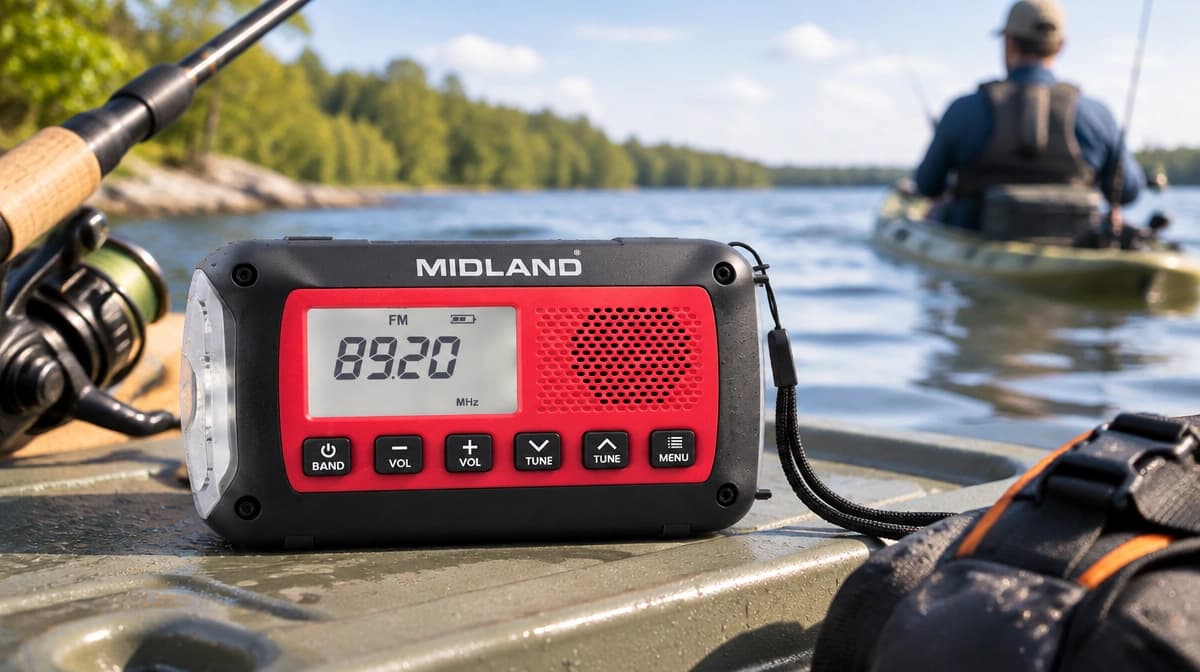
Hand-crank / solar radio
$$Midland ER310
NOAA weather alerts, phone charging, and a flashlight in one unit. Charges by crank, solar, or USB.

Rechargeable headlamp
$$Petzl Actik Core
Frees up your hands, which matters more than people expect during an actual outage. Runs on the rechargeable Core or three AAAs.
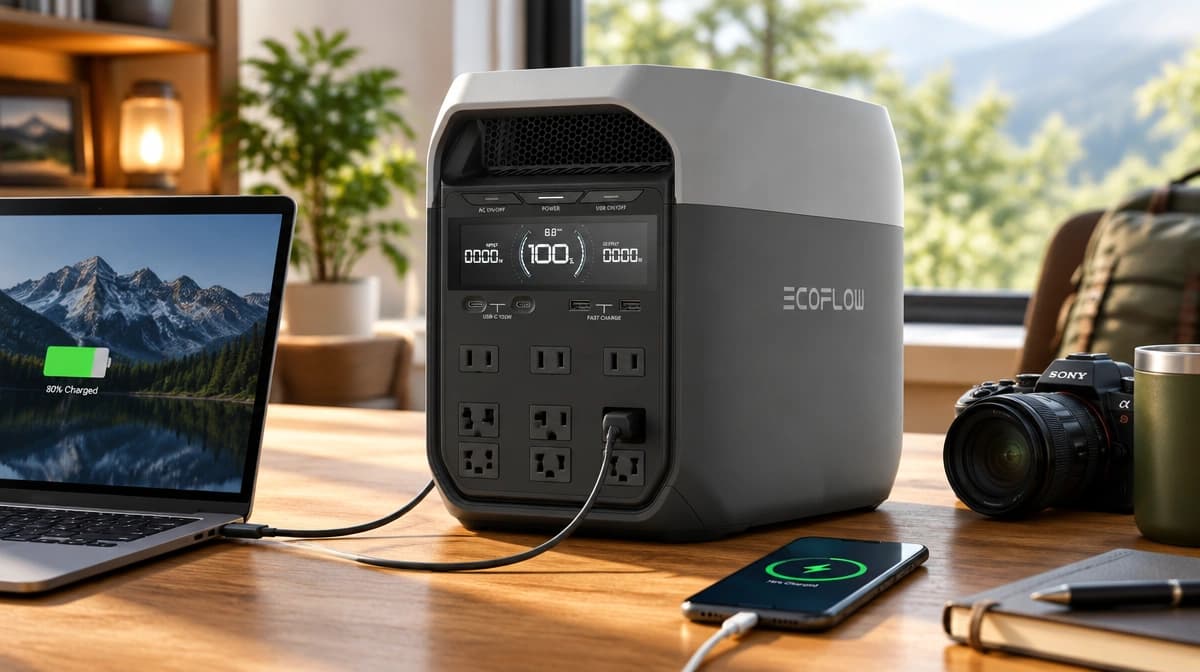
Portable power station (fast charging)
$$$EcoFlow Delta 3 (1024 Wh)
LiFePO4 cells rated for thousands of cycles and a wall recharge in about an hour. The better choice if outages are frequent where you live.

Manual can opener
$Swing-A-Way Portable
Cheap, easy to overlook, and useless to not have when the power is out. This one has been in production for decades for a reason.
Keep reading
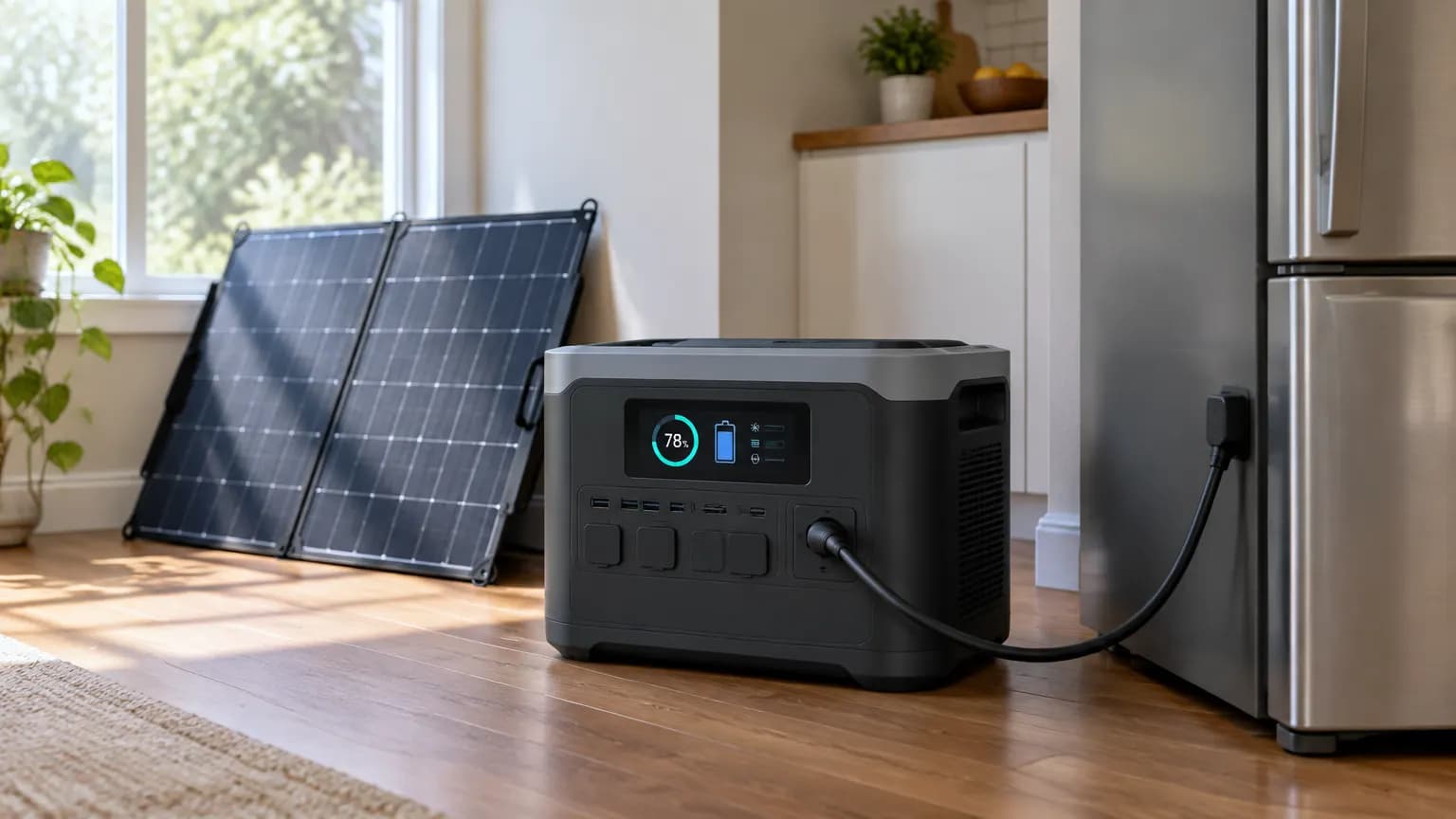
How to Size a Portable Power Station for Home Backup
Capacity numbers on the box tell you almost nothing on their own. Here is the arithmetic that turns watt-hours into how many hours your fridge actually runs, and where solar changes the answer.
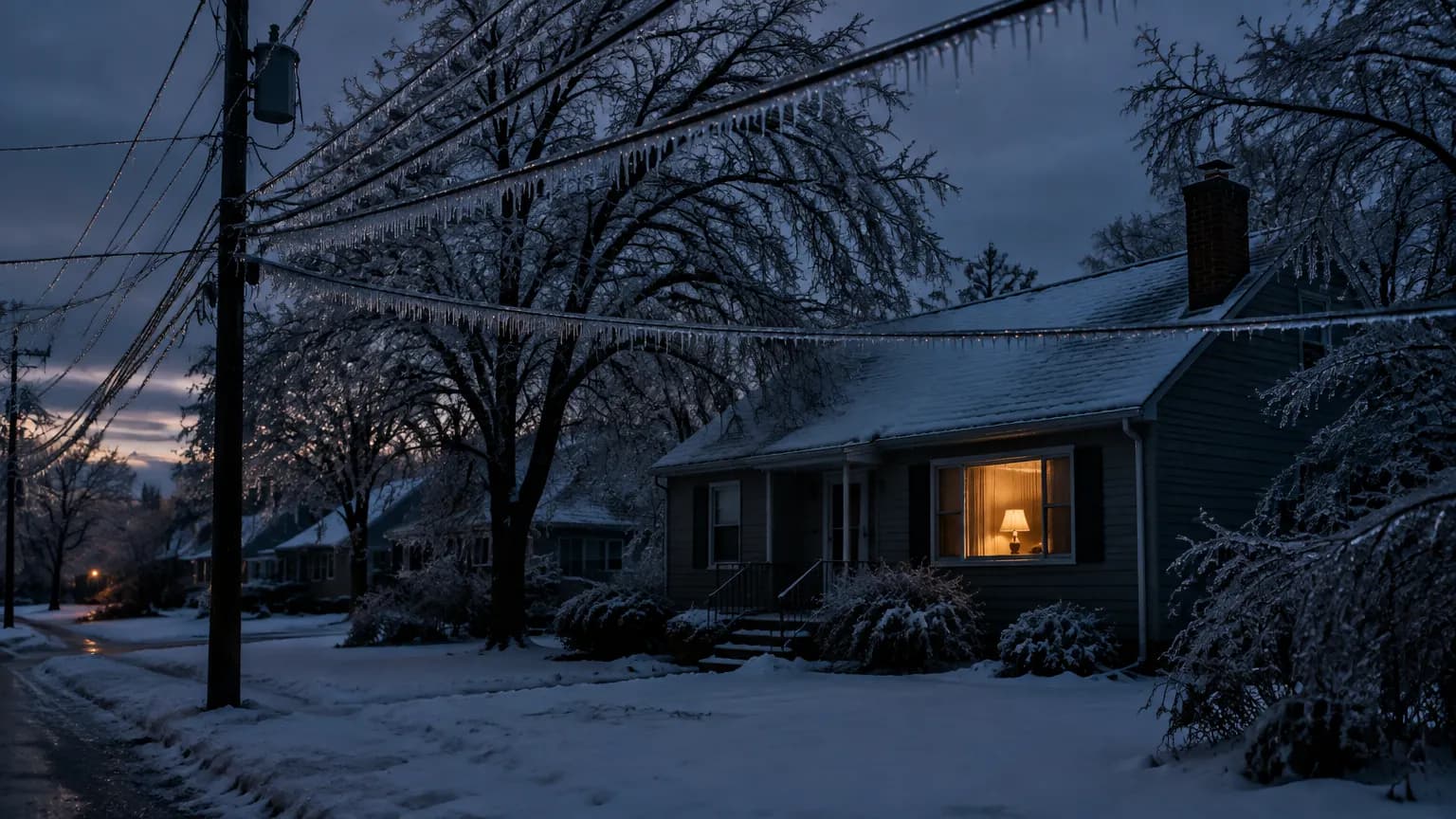
When the Lights Stay Off: Planning for a Multi-Day Blackout
A four-hour outage is an inconvenience. A four-day one is a different problem: heat, water, food spoilage, and a decision about whether to stay. Here is how to think about each.
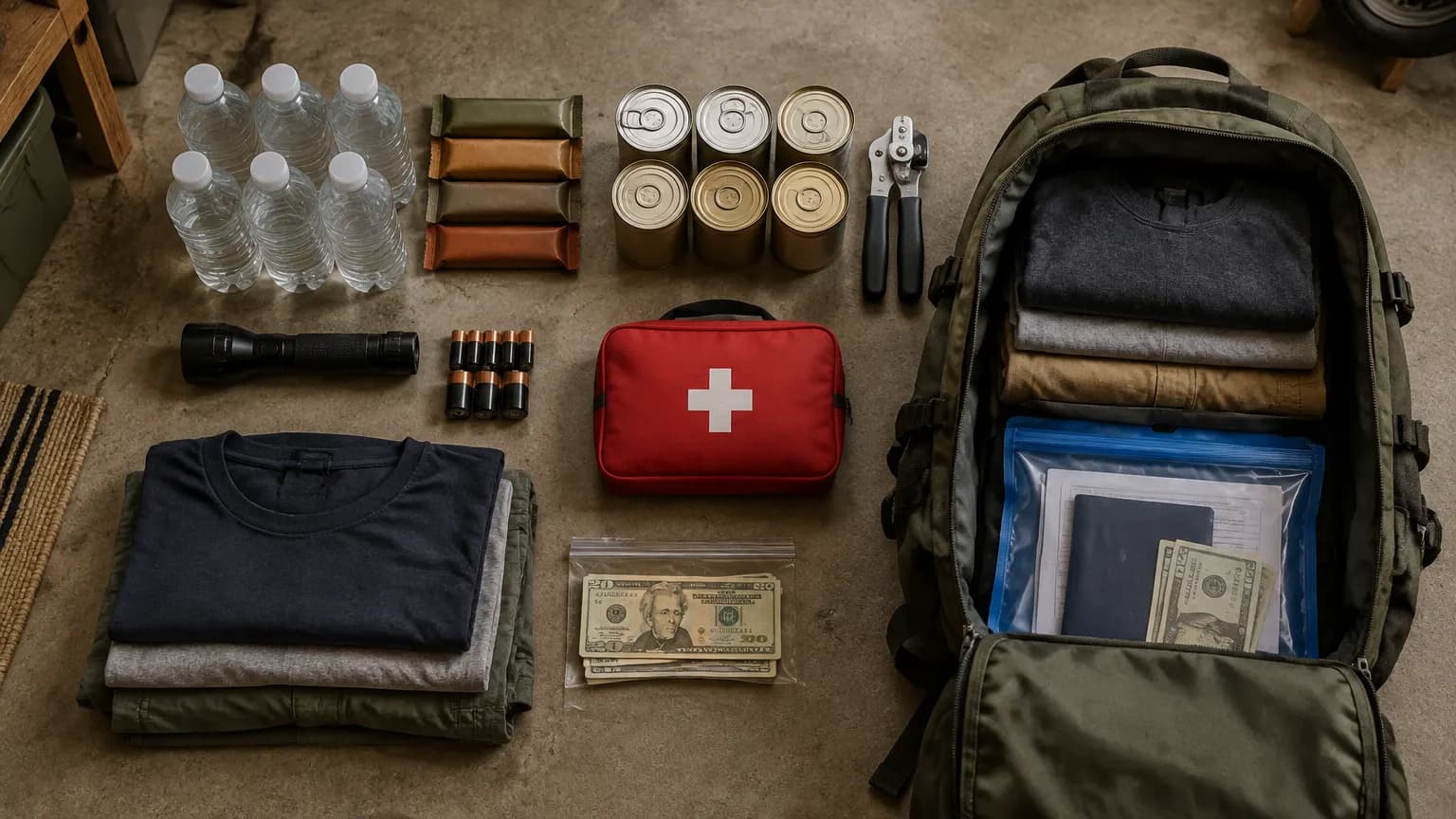
The Complete 72-Hour Emergency Kit Checklist
The first 72 hours after a disaster are the hardest to plan for and the easiest to get wrong. Here's exactly what belongs in your kit, room by room.