 The Prep Nest
When the Lights Stay Off: Planning for a Multi-Day Blackout
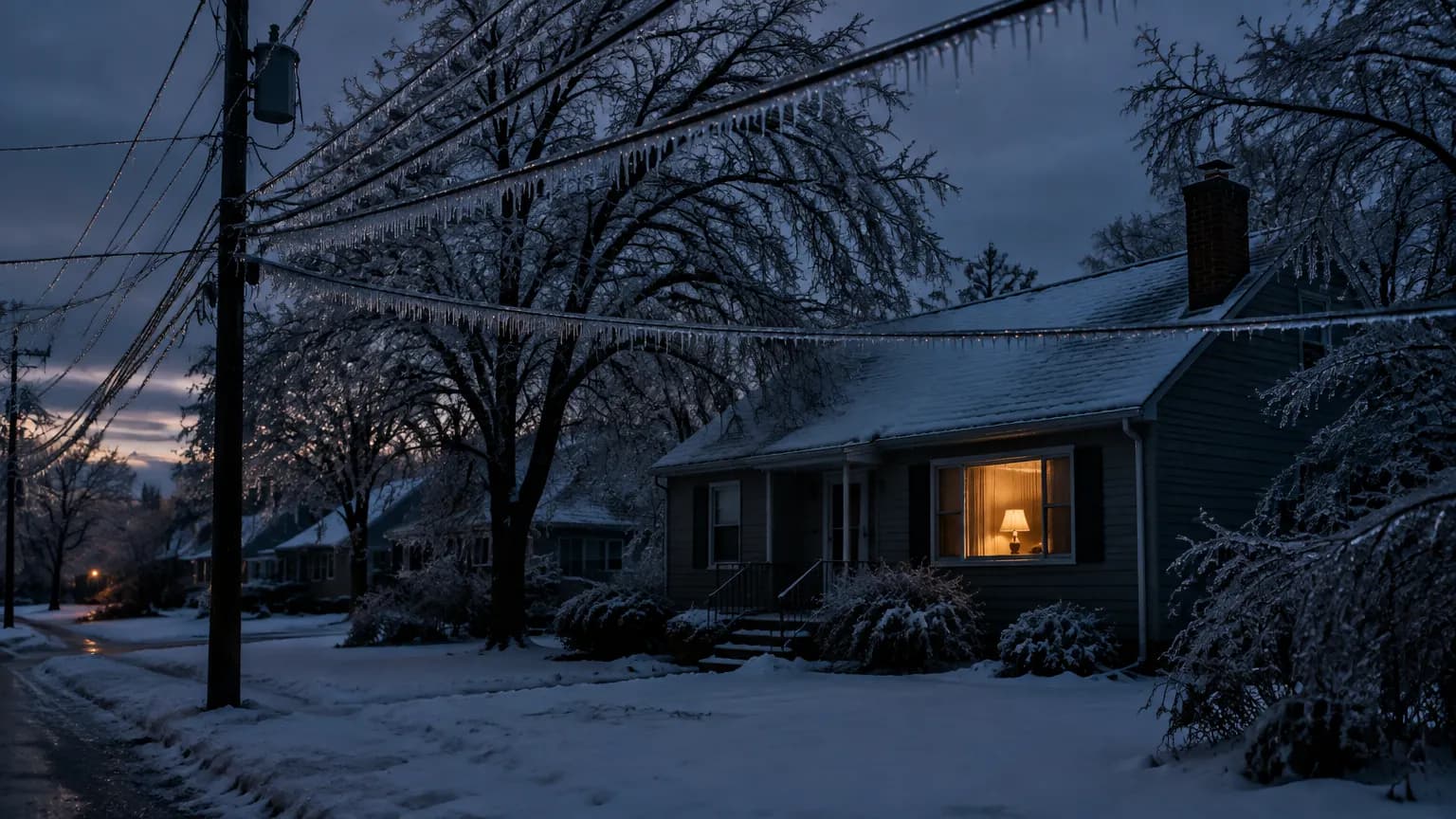
The plan that covers an evening without power does not scale. Past roughly the first day, four separate problems start compounding: the house drifts toward the outside temperature, the food in the fridge crosses from safe to not, water either runs out or becomes questionable, and the batteries that made the first night comfortable are flat. Each one has a straightforward answer, but only if you worked it out in advance.
Temperature usually decides whether you stay. A house without power loses or gains heat at a rate set by its insulation and the weather, and there is no battery solution: electric heat is far too hungry for stored power, as the arithmetic in our power station sizing guide makes clear. What works instead is reducing the volume you are trying to keep warm. Pick one room, preferably small, interior, and south-facing if it is winter. Close the doors, hang blankets over windows at night, and let the rest of the house go cold. Sleeping bags rated below the temperature you expect, or an emergency bivvy inside ordinary bedding, do more for a cold night than any appliance. In summer the same logic runs in reverse: shade, cross-ventilation after dark, and the lowest floor of the house.
Water is the problem people on municipal supply forget they have. If you are on a well, no power means no pump and therefore no water at all from the moment the outage starts, which is why stored water matters more for well households than for almost anyone else. On municipal supply water usually keeps flowing, but extended outages can affect treatment and pressure, and boil-water notices follow. Since you cannot boil easily without power, a gravity filter is the practical answer: it works unattended, handles several liters at a time, and needs no fuel. Our water storage guide covers how much to keep on hand in the first place.
Food splits into two questions: what to save and what to eat. Saving is mostly discipline with the freezer, which holds roughly 48 hours when full and about 24 when half empty. Filling the empty space with containers of water before storm season turns a half-empty freezer into a full one and gives you drinking water as it thaws. Move what you can from the fridge into the freezer early, while the freezer is still cold enough to help. After that, work through the perishable food first, then shelf-stable, keeping a long-term supply in reserve so the end of the outage is not also the end of the food.
Cooking needs a plan that is not the kitchen. A camp stove, a grill, or a fire pit all work, and all of them belong outdoors, without exception. Running a grill, camp stove, or generator inside a house, in a garage with the door open, or on a covered porch produces carbon monoxide, and it has killed people in the aftermath of every major storm on record. If you use a generator, keep it well away from the building, at least twenty feet, with the exhaust pointed away from doors and windows, and put a battery-powered carbon monoxide alarm inside the house regardless.
Information keeps you from making bad decisions on rumor. A NOAA weather radio that runs on crank or solar keeps working when phones do not, and multi-day outages are exactly when phone batteries and cell sites both start to fail. Ration phone use from the first hour rather than from the moment it gets low: airplane mode between check-ins stretches a battery remarkably far.
Then there is the decision nobody plans for, which is whether to leave. Set the threshold in advance and write it down, because you will be tired and cold when it arrives. Reasonable triggers are an indoor temperature you are not willing to sleep in, a medical device you can no longer power, running out of water with no way to filter more, or simply an official restoration estimate measured in days rather than hours. Know where you would go, what the route is with the traffic lights out, and keep enough fuel in the car that leaving stays an option. Gas pumps need electricity too, which is why the tank should already be half full when the storm is forecast, not after.
Finally, think about the neighborhood. A multi-day outage is the situation where knowing who on your street has a generator, a chainsaw, a wood stove, or a medical vulnerability is worth more than anything in your own garage. The households that come through long outages comfortably are rarely the best equipped ones. They are the ones who checked on each other by the second morning.
Recommended gear for this guide
Picks from our Gear Guide that cover what this article talks about. Affiliate links; see our disclosure.
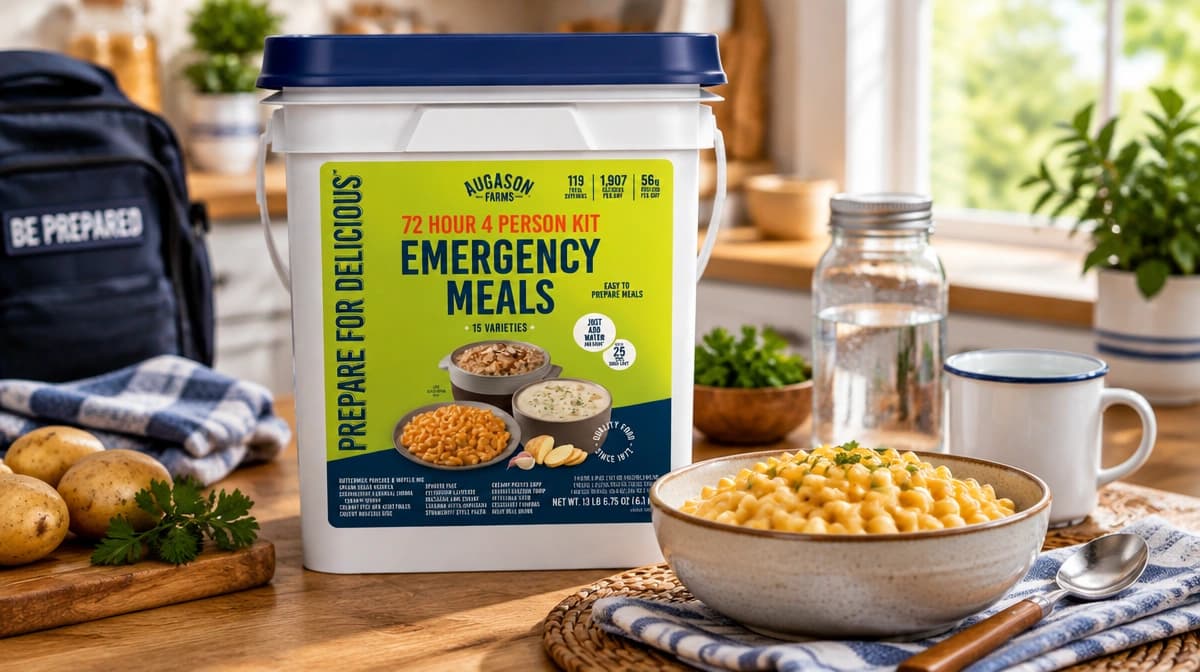
Freeze-dried meal kit
$$Augason Farms 4-Person 72-Hour Kit
Long shelf life with minimal prep: add water and eat. Covers a family of four for the critical first three days.
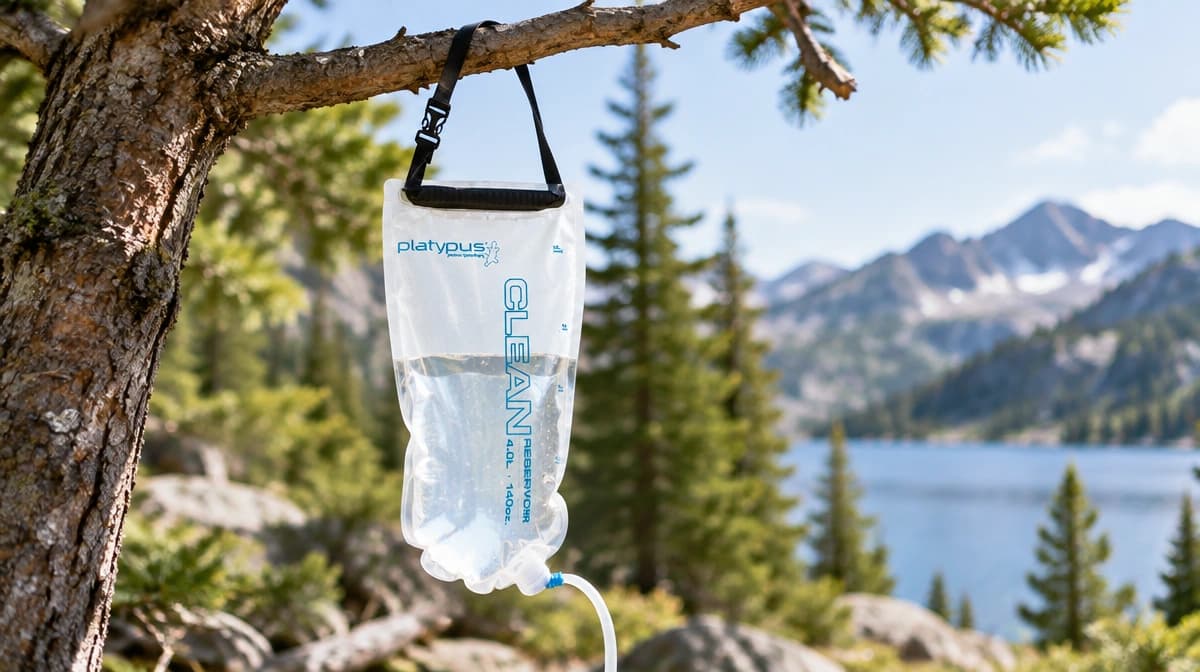
Gravity-fed water filter
$$$Platypus GravityWorks 4L
Filters four liters at a time with no pumping required, ideal for a household kit or group camp.
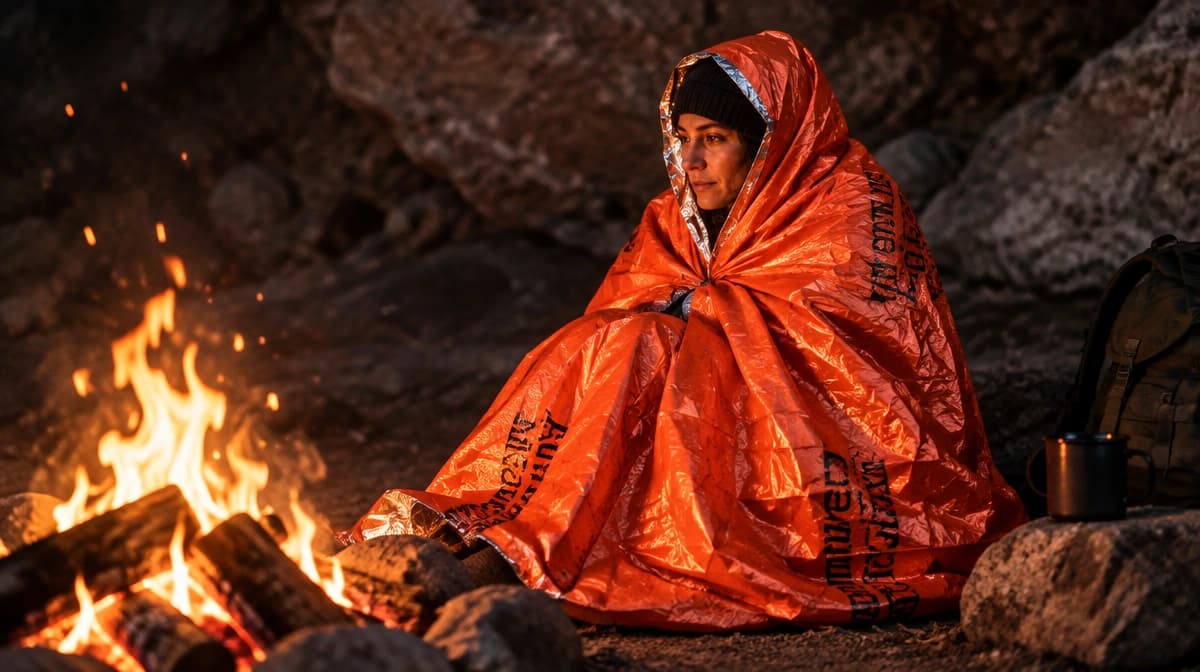
Emergency bivvy
$S.O.L. Emergency Bivvy
Packs down to the size of a fist and reflects 90 percent of body heat. Far more effective than a flat space blanket.
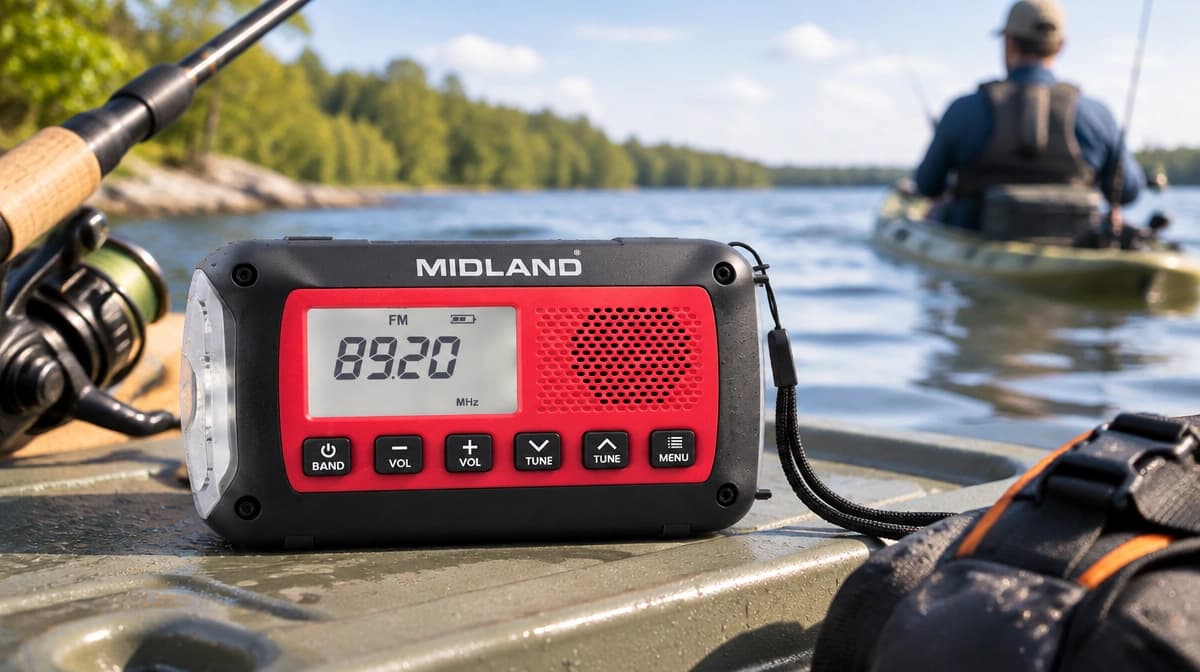
Hand-crank / solar radio
$$Midland ER310
NOAA weather alerts, phone charging, and a flashlight in one unit. Charges by crank, solar, or USB.
Keep reading
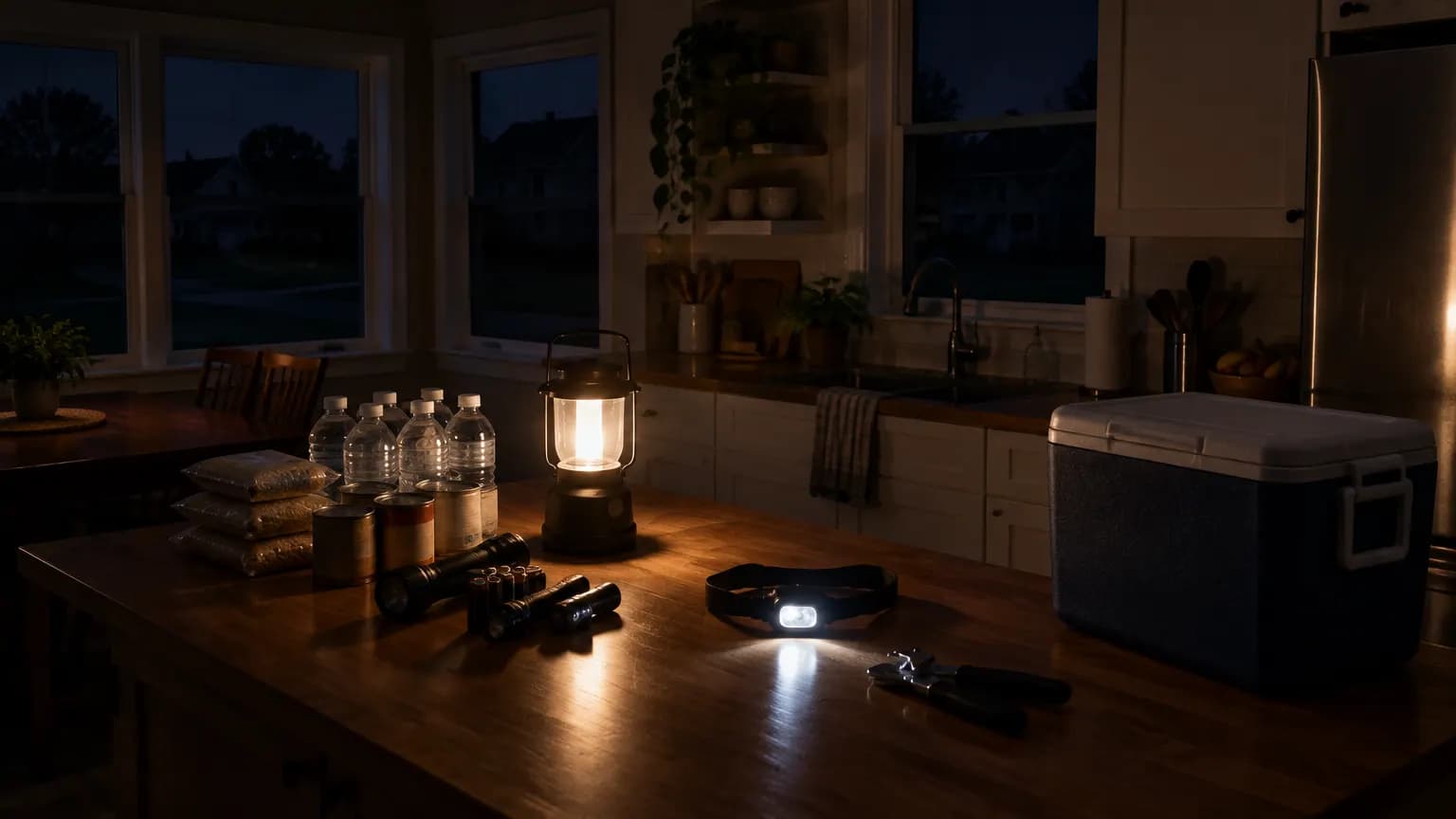
The Power Outage Emergency Kit: What You Actually Need
Most outage kits are built around candles and a flashlight, which covers the first hour and nothing after it. Here is what a kit needs to carry you through a full outage, and what the food in your fridge is doing while you wait.
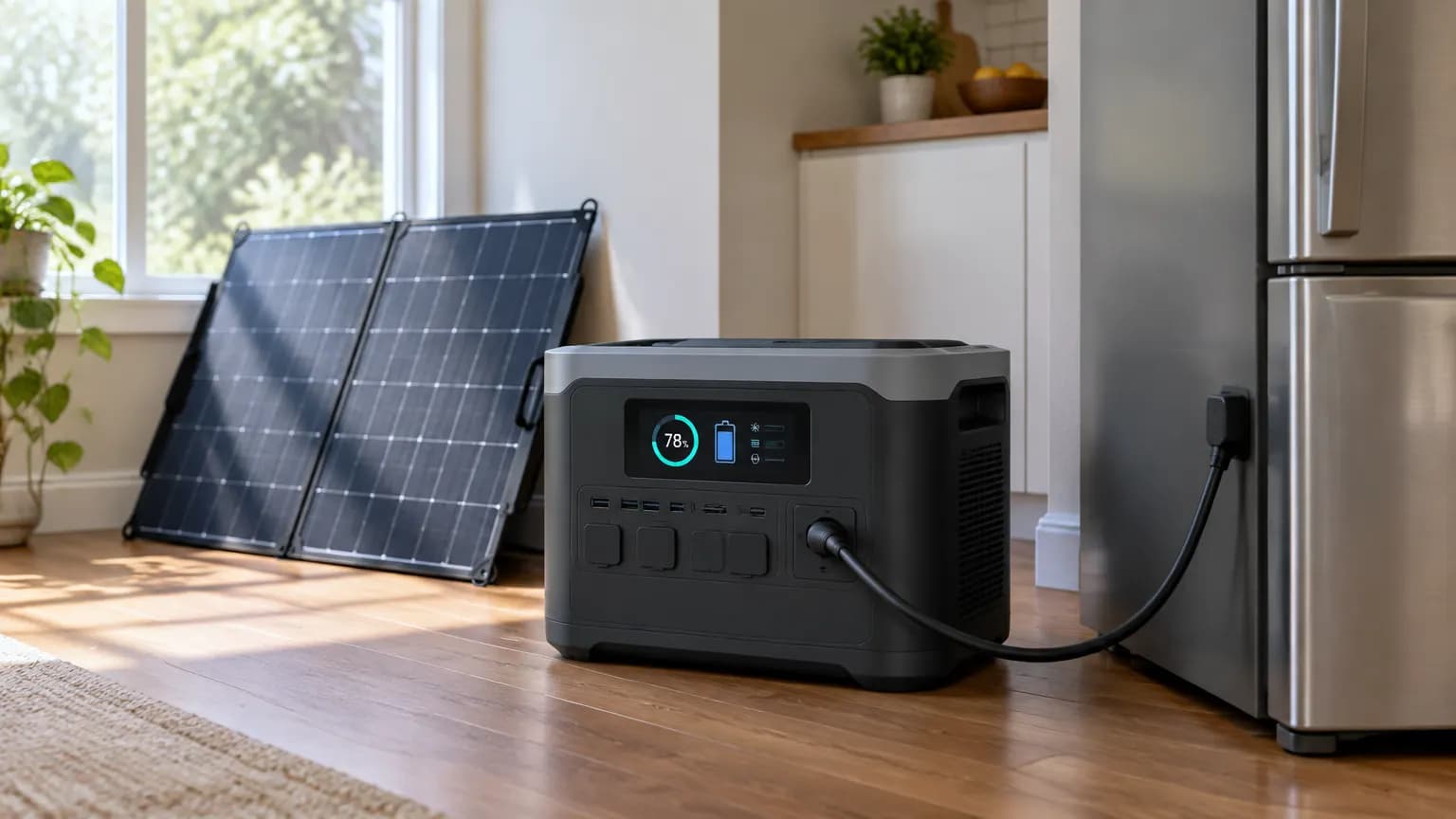
How to Size a Portable Power Station for Home Backup
Capacity numbers on the box tell you almost nothing on their own. Here is the arithmetic that turns watt-hours into how many hours your fridge actually runs, and where solar changes the answer.
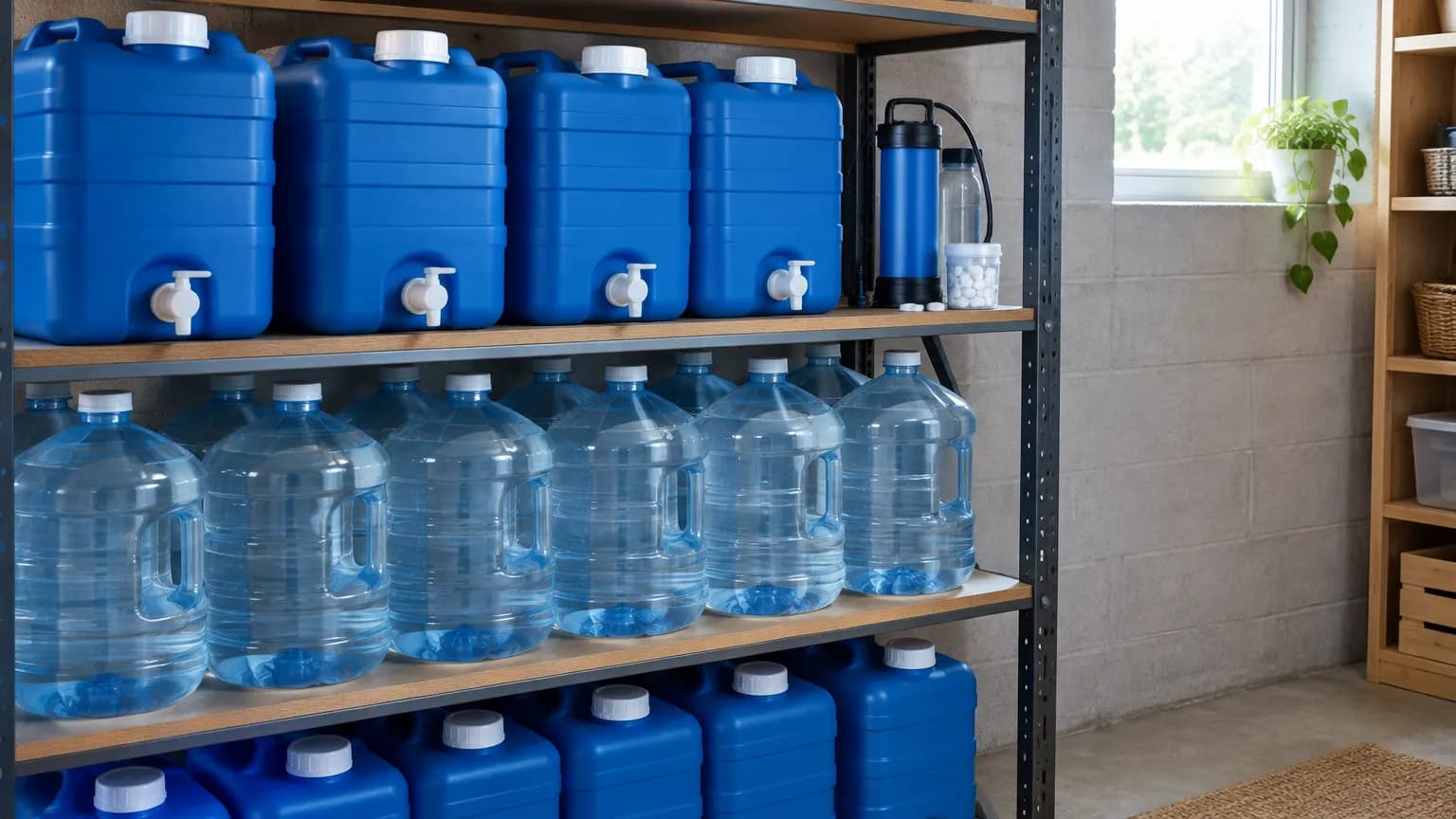
How Much Water Should You Really Store? A Complete Guide
Water is the single most important resource in any emergency plan, and the one people most consistently under-budget for. Here's how to size your storage correctly.