 The Prep Nest
The Bug Out Bag You Would Actually Carry
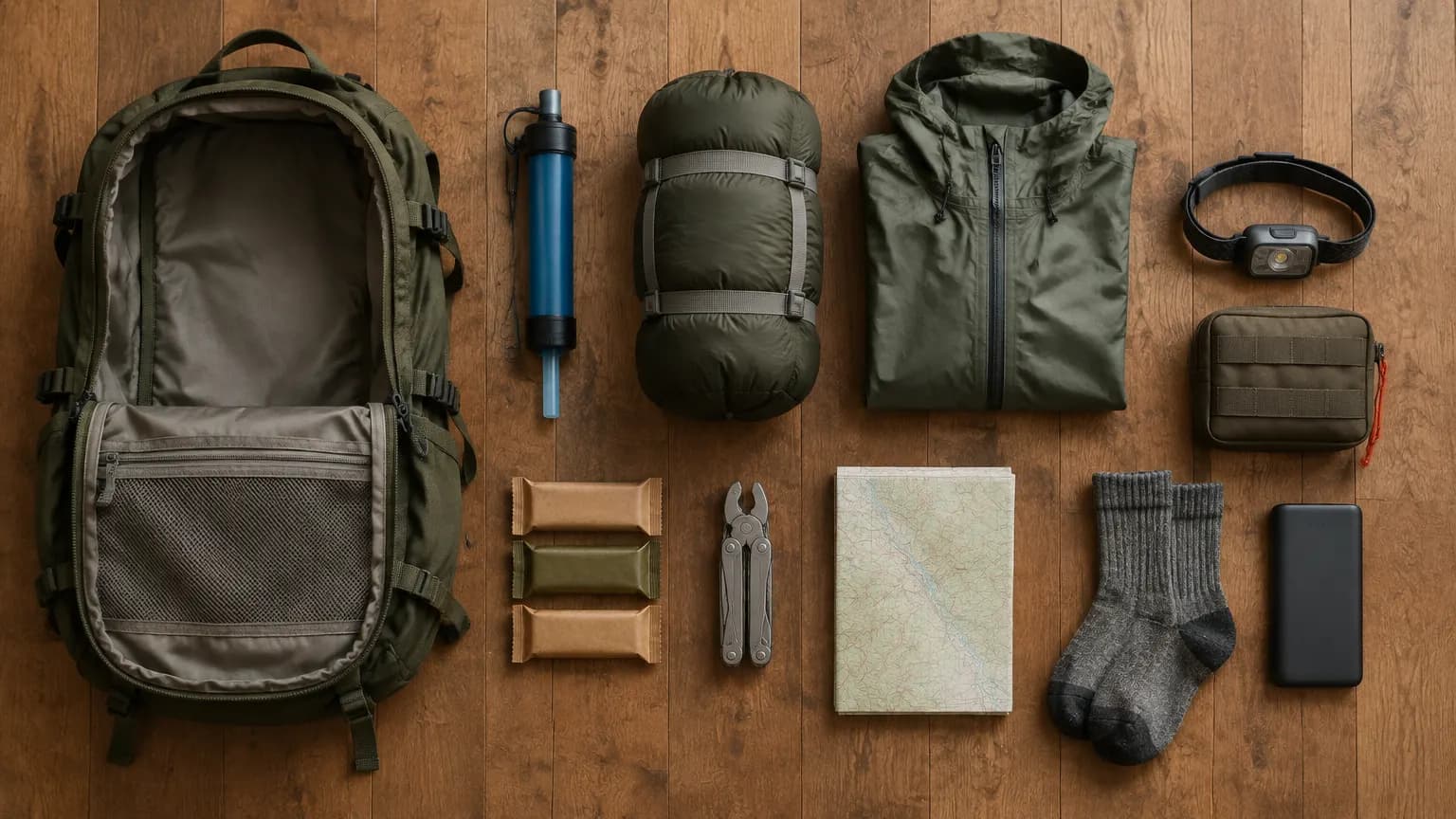
The bug out bag is the most discussed and least tested item in preparedness. Almost everyone who owns one has packed it; almost nobody has walked ten miles with it. That gap is where the problem lives, because a bag you cannot carry is not a bag, it is a box you keep by the door.
Start by deciding what the bag is for, because two different bags get called the same thing. A get-home bag lives in your car or at your desk and covers the walk home when driving is not an option: comfortable shoes, water, a filter, a light, a snack, a layer, a charged battery. It is small. A bug out bag covers leaving home for roughly 72 hours when staying is not an option, usually in an evacuation, and it is bigger. If you build one bag for both jobs, you end up with something too heavy for the first and not quite right for the second.
Then set the weight budget before you pack anything, because the budget is the design. Loaded backpacking guidance is to stay under roughly 20 percent of body weight, and for a bag you might carry on foot, tired and unfit and possibly at night, that ceiling is generous rather than a target. For most adults that means something in the range of 15 to 25 pounds all in. Write your number on a sticky note, put the empty bag on a bathroom scale, and add items until you hit it. What does not fit, does not go.
Water is where the budget goes first, and where the answer is counterintuitive. Water weighs about 2.2 pounds per liter, so three days of drinking water is over 20 pounds on its own and the arithmetic ends there. Carry one or two liters and a squeeze or straw filter instead, and treat the filter as the actual water supply. This is the single decision that turns an impossible bag into a possible one.
Shelter and warmth come next, because exposure works faster than hunger. The rule of threes puts weather before food for good reason. A lightweight bivvy, a rain shell, a warm hat, and a dry pair of socks in a sealed bag weigh very little together and cover the realistic scenario, which is not a week in the woods but one uncomfortable night somewhere you did not plan to be.
Food should be the boring part. Three days of calorie-dense food that needs no cooking, no water, and no preparation: bars, nut butter, jerky, dried fruit. Nobody is thriving on it, and that is fine. Cooking gear is the classic place people add a pound of stove and fuel for a comfort they will not miss over 72 hours.
Light, first aid, and documents round it out. A headlamp rather than a flashlight, because hands matter. A trauma-capable first aid kit rather than a box of adhesive bandages, since the injuries that actually threaten you in an evacuation are bleeding and broken bones. Copies of identification, insurance, and prescriptions in a waterproof pouch, plus cash in small bills. Any medication anyone depends on, rotated before it expires.
Now the part that separates a real bag from a hypothetical one: put it on and walk. Two or three miles is enough to find the strap that digs in, the boots that blister, and the four items you packed because a list told you to and never once reached for. Do it twice a year when you check the batteries. A bug out bag is not a purchase, it is a piece of equipment you are supposed to know how to use, and the only way to know is to use it.
Recommended gear for this guide
Picks from our Gear Guide that cover what this article talks about. Affiliate links; see our disclosure.
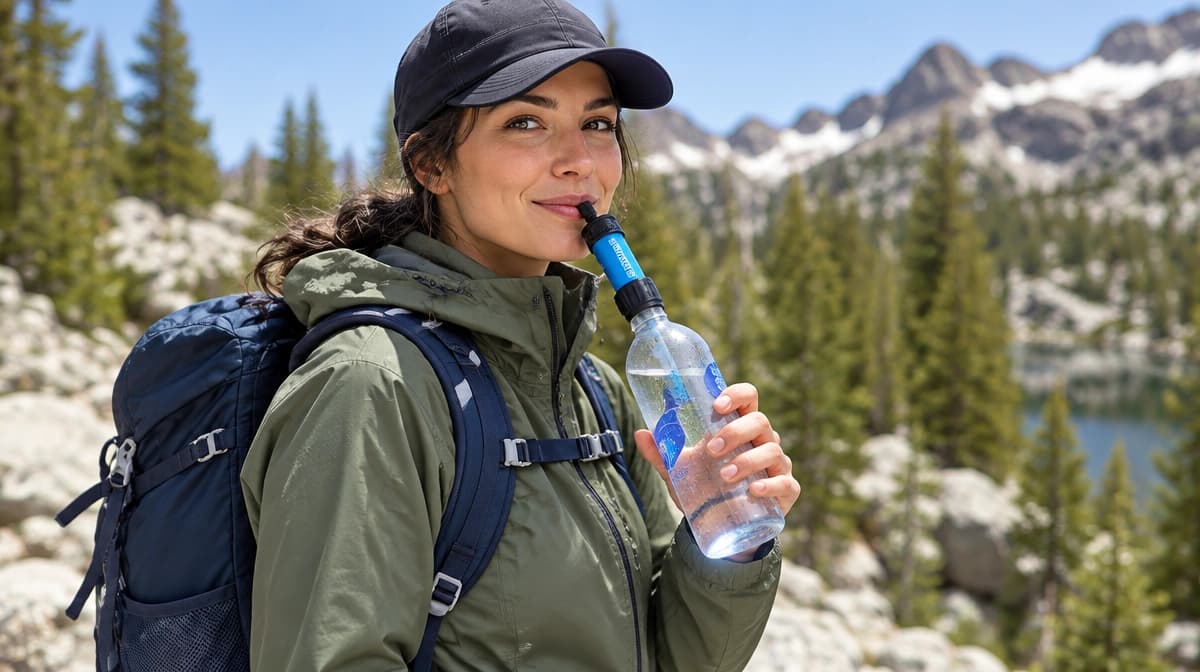
Inline squeeze filter
$Sawyer Mini SP128
Works as a straw, inline on a hydration bladder, or with the included squeeze pouch. Rated for 100,000 gallons.

Rechargeable headlamp
$$Petzl Actik Core
Frees up your hands, which matters more than people expect during an actual outage. Runs on the rechargeable Core or three AAAs.
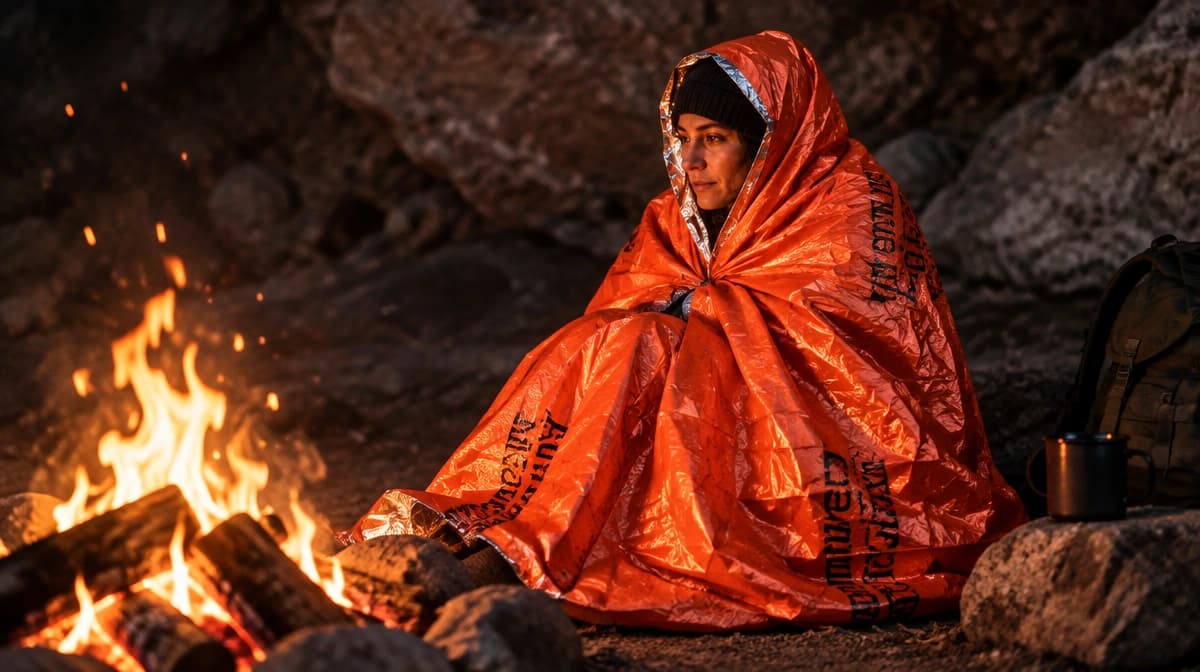
Emergency bivvy
$S.O.L. Emergency Bivvy
Packs down to the size of a fist and reflects 90 percent of body heat. Far more effective than a flat space blanket.
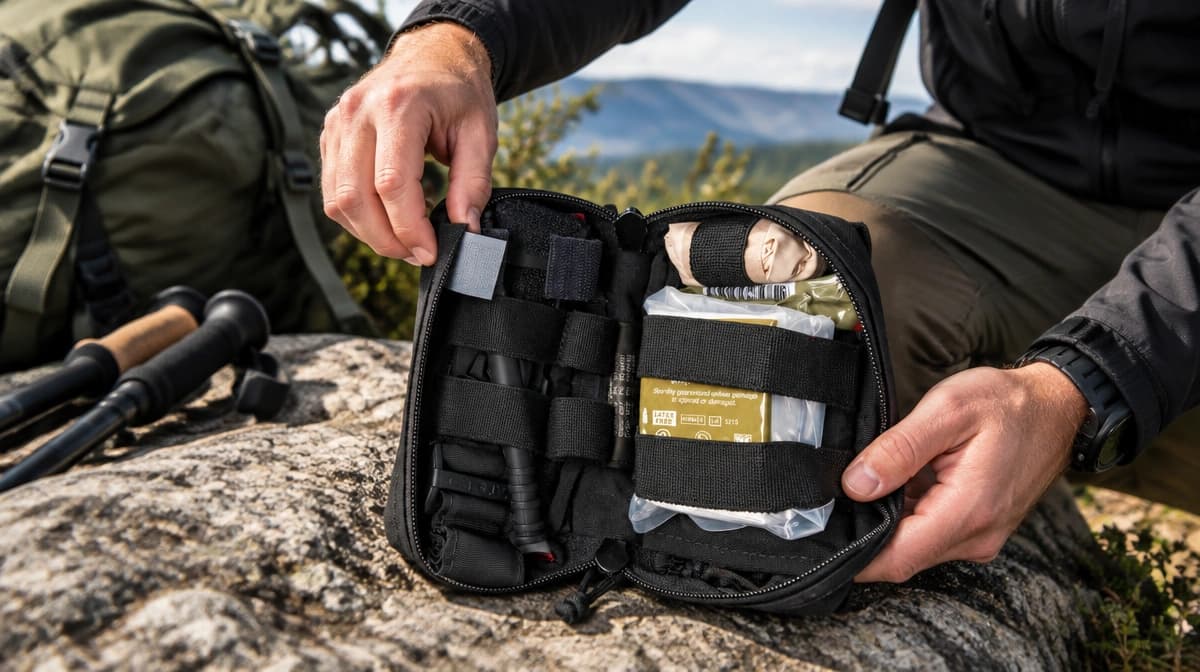
Trauma-level first aid kit
$$$North American Rescue M-FAK Mini
The same bleeding-control gear first responders carry: CAT tourniquet, emergency trauma dressing, and compressed gauze in a compact pouch.
Keep reading
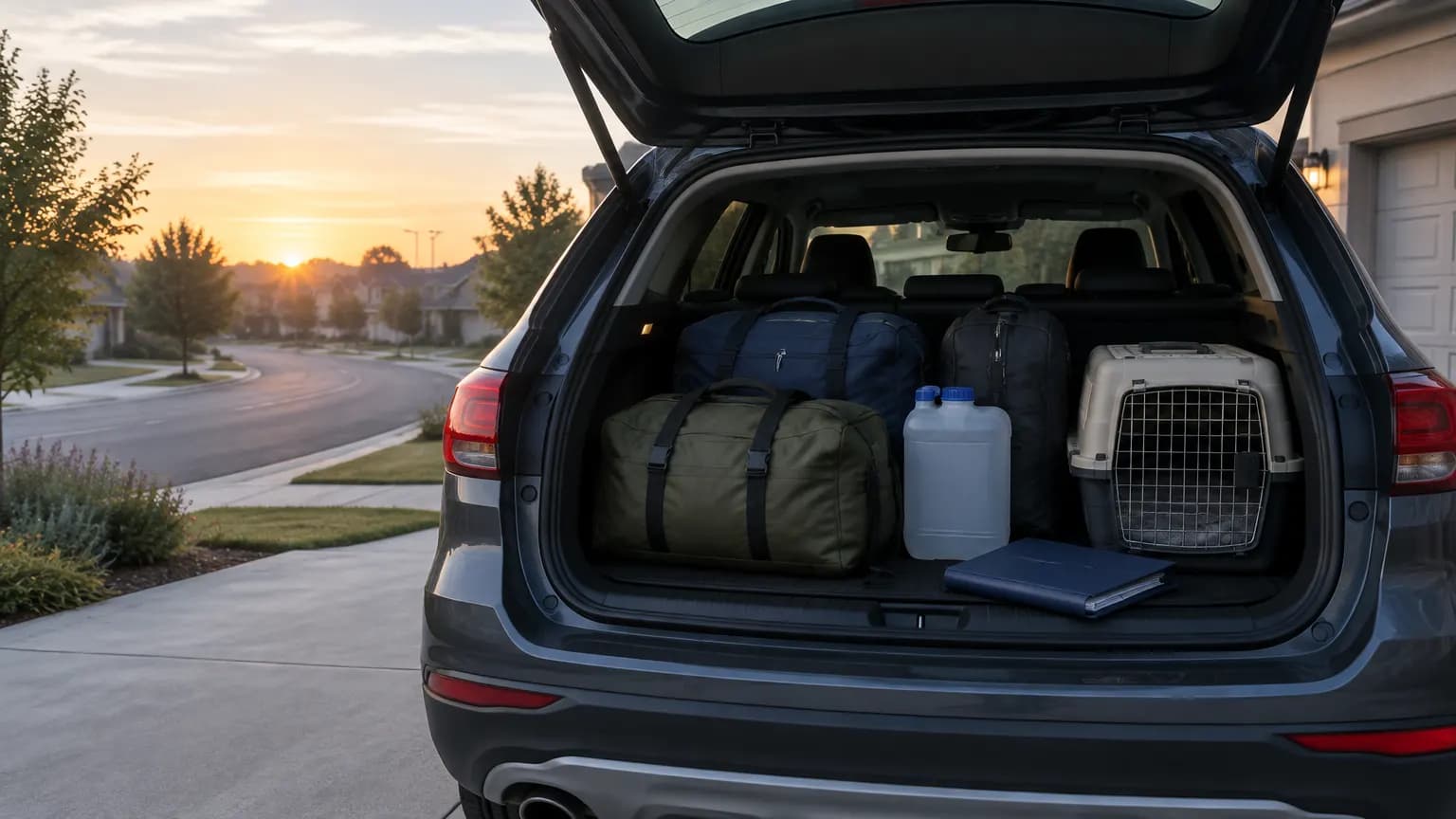
When to Leave: Building an Evacuation Plan Before You Need One
The people who get out cleanly are rarely the fastest packers. They are the ones who decided the threshold in advance and had a list for fifteen minutes, one hour, and six.
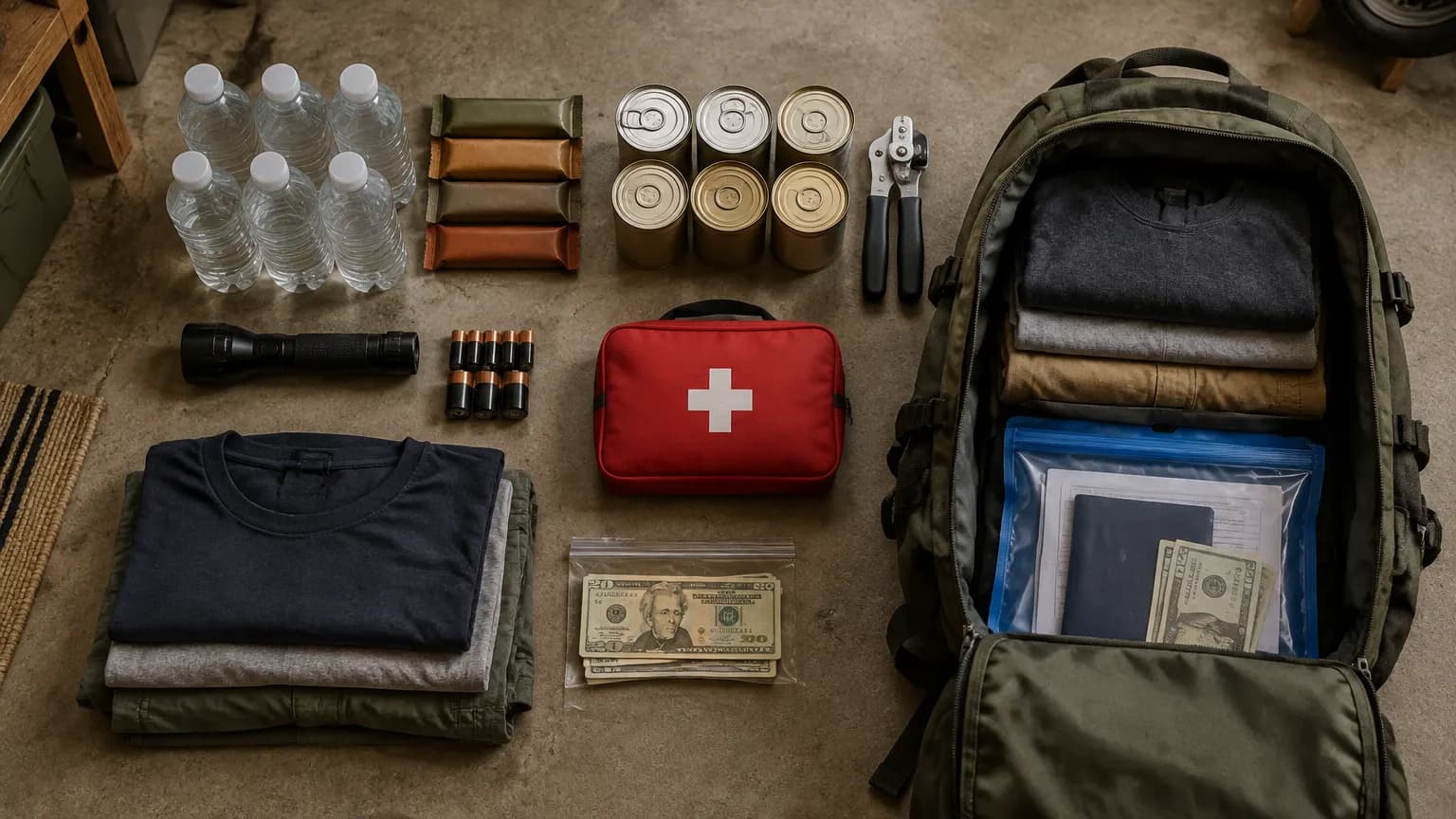
The Complete 72-Hour Emergency Kit Checklist
The first 72 hours after a disaster are the hardest to plan for and the easiest to get wrong. Here's exactly what belongs in your kit, room by room.
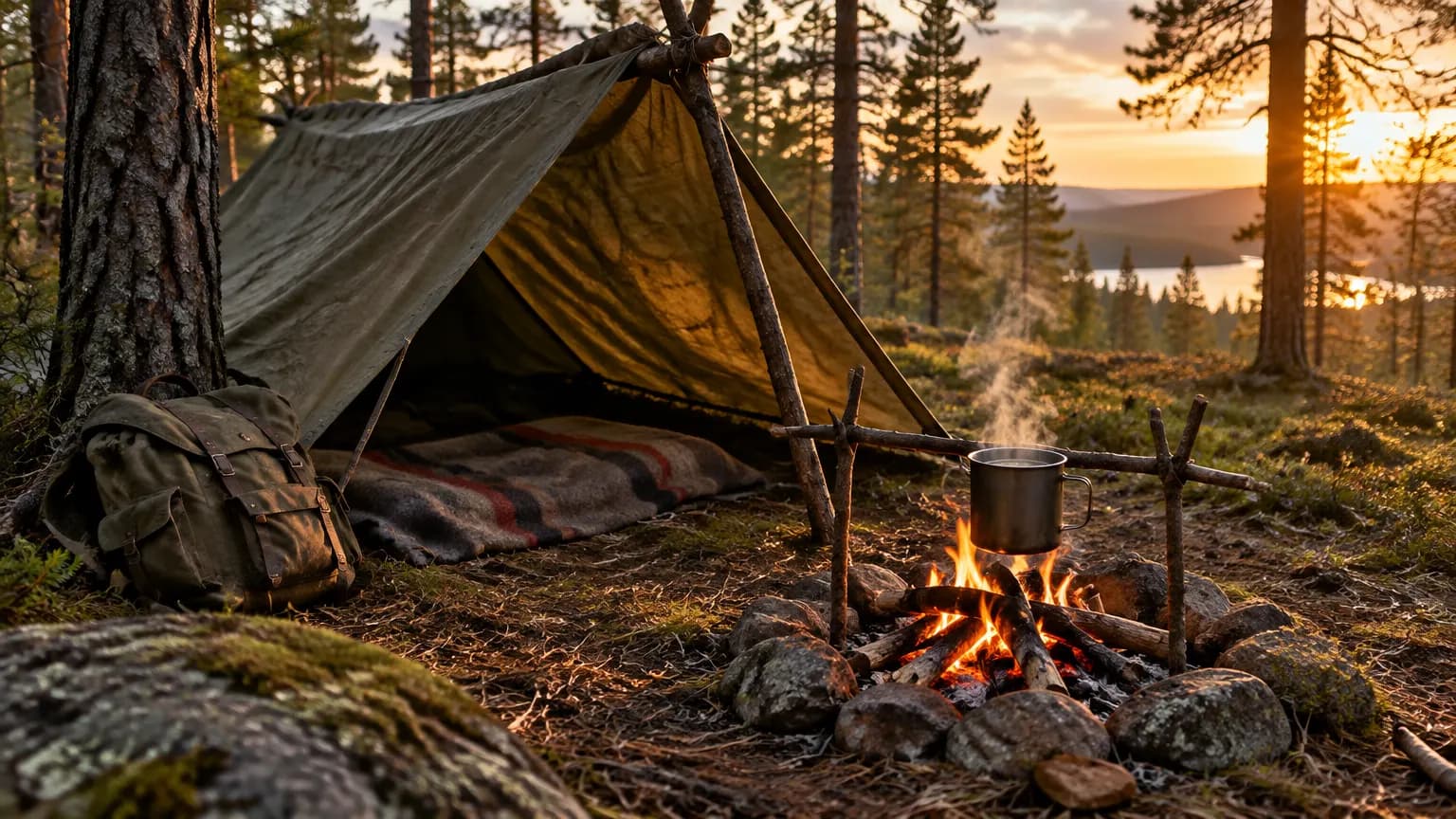
The Survival Rule of Threes: What to Prioritize When Things Go Wrong
When everything feels urgent, the Rule of Threes tells you what to actually deal with first, and it isn't food.