 The Prep Nest
The Survival Rule of Threes: What to Prioritize When Things Go Wrong
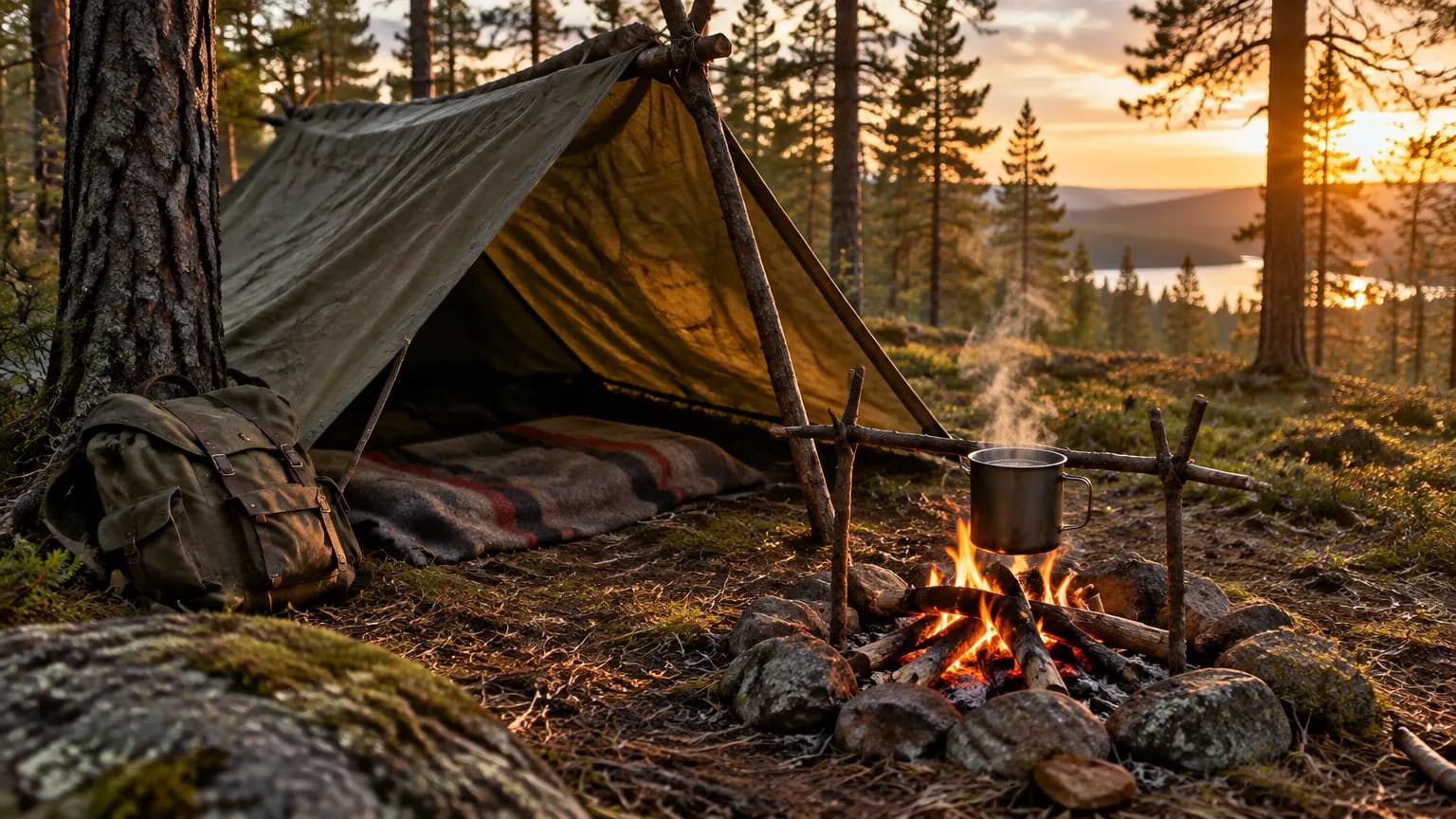
The Rule of Threes is the best-known heuristic in survival: roughly three minutes without air, three hours without shelter in a harsh environment, three days without water, three weeks without food. It is genuinely useful, and it is worth being clear about what it is. It is a memory aid for triage, not a statement of physiology.
What it gets right
The ordering. That is the whole value of it, and the ordering is correct almost without exception.
| Priority | Rough limit | Why it ranks here |
|---|---|---|
| Air | 3 minutes | Nothing else matters if this fails |
| Shelter and body temperature | 3 hours | Kills fastest of the remaining three |
| Water | 3 days | Degrades judgement long before it harms you |
| Food | 3 weeks | Real, but the least time-critical |
People get this backwards under stress. The instinct when lost is to worry about food, which is the one thing you almost certainly have weeks of margin on, while standing wet in the wind, which is the thing that can kill you before dark.
Where the numbers mislead
The three-hour figure is the least reliable number in the rule. In genuinely harsh conditions it is optimistic: immersion in cold water can incapacitate a person in well under an hour, and wet clothing plus wind at temperatures well above freezing is far more dangerous than most people assume. In mild conditions it is wildly pessimistic; you can sit out a dry summer night with no shelter at all and be uncomfortable rather than in danger.
The three-day water figure varies just as much with heat, exertion and altitude. The useful part is not the number but the fact that dehydration degrades decision-making long before it does physical harm, which is exactly backwards from what you want when navigating or deciding whether to move.
The three-week food figure is real and is the one people most consistently over-weight. Hunger is loud and not urgent.
How to triage for real
Replace the clock with a sequence. In an unplanned situation, work through it in this order.
Stop moving and assess. Most situations get worse through continued movement in the wrong direction. Our guide to getting lost covers the STOP sequence properly.
Deal with wet and wind before anything else. Getting out of the wind and into dry layers does more, faster, than almost anything else you can do, and it is usually free. Shelter beats fire in wet, cold, windy weather, because a fire you are struggling to light is time spent getting colder.
Make yourself findable. Signalling is absent from the Rule of Threes entirely, which is its biggest omission. In the great majority of real incidents, rescue arrives: a whistle, a bright layer, a mirror or a charged phone in a high spot often matter more than any of the four priorities, because they shorten the whole event.
Then water, then food. In that order, and with the understanding that untreated water carries its own risk; carry a means of treating it so the decision is not a gamble.
What belongs in the pack
The rule implies a kit. Shelter and warmth first, which means an emergency bivvy and dry insulation; then signalling, which is a whistle and a light; then a way to treat water; then fire; then food. Our wilderness survival kit guide works through what that looks like in a day pack, and it is deliberately ordered the same way.
What we could not verify
We do not physically test the products linked on this page. More importantly, the Rule of Threes is a widely repeated heuristic with no single authoritative source, and we have not found one. The individual numbers are not medical guidance, they vary enormously with conditions, age and health, and we have presented them as the memory aid they are rather than as limits to plan against. For anything involving cold-water immersion, hypothermia or dehydration in a real incident, the correct source is emergency medical guidance, not a survival rule of thumb.
Recommended gear for this guide
Picks from our Gear Guide that cover what this article talks about. Affiliate links; see our disclosure.
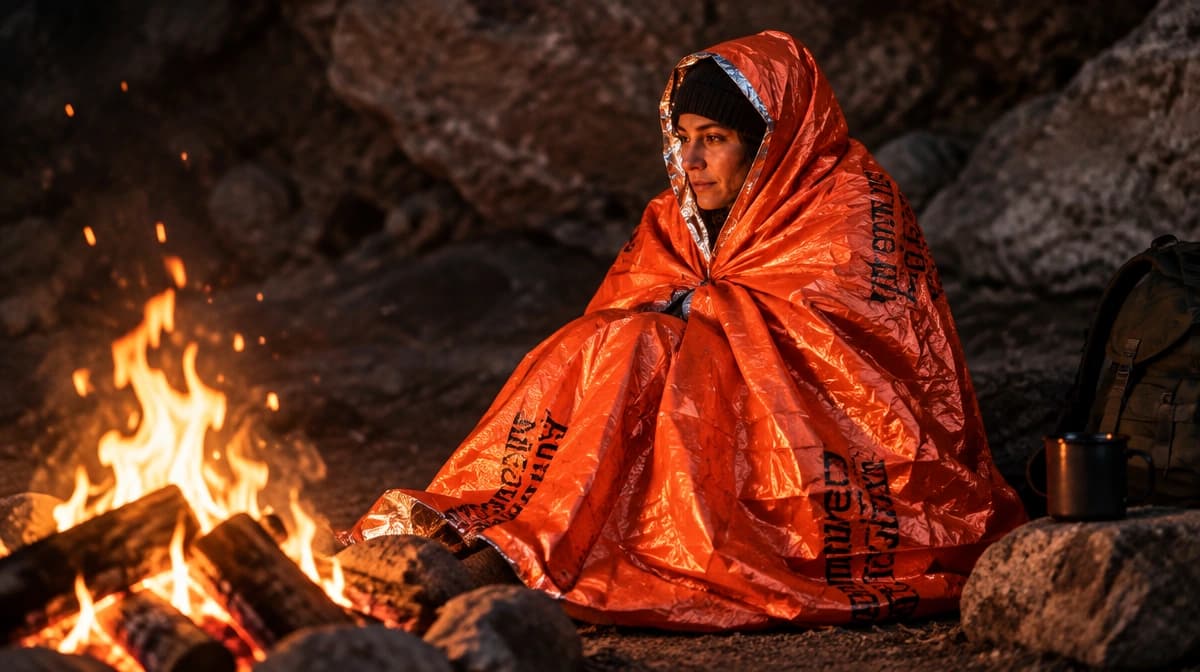
Emergency bivvy
$S.O.L. Emergency Bivvy
Packs down to the size of a fist and reflects 90 percent of body heat. Far more effective than a flat space blanket.
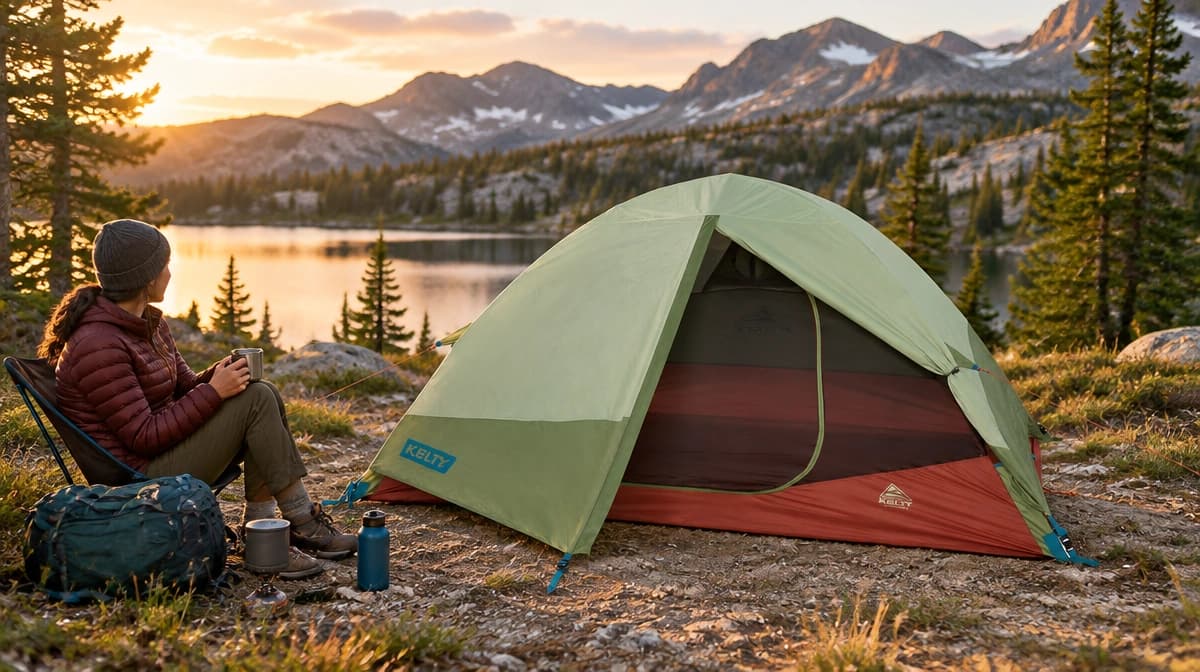
Compact backpacking tent
$$Kelty Discovery Trail 2
A backup shelter option if you need to leave a compromised structure. Light enough to carry, with a full-coverage rainfly.
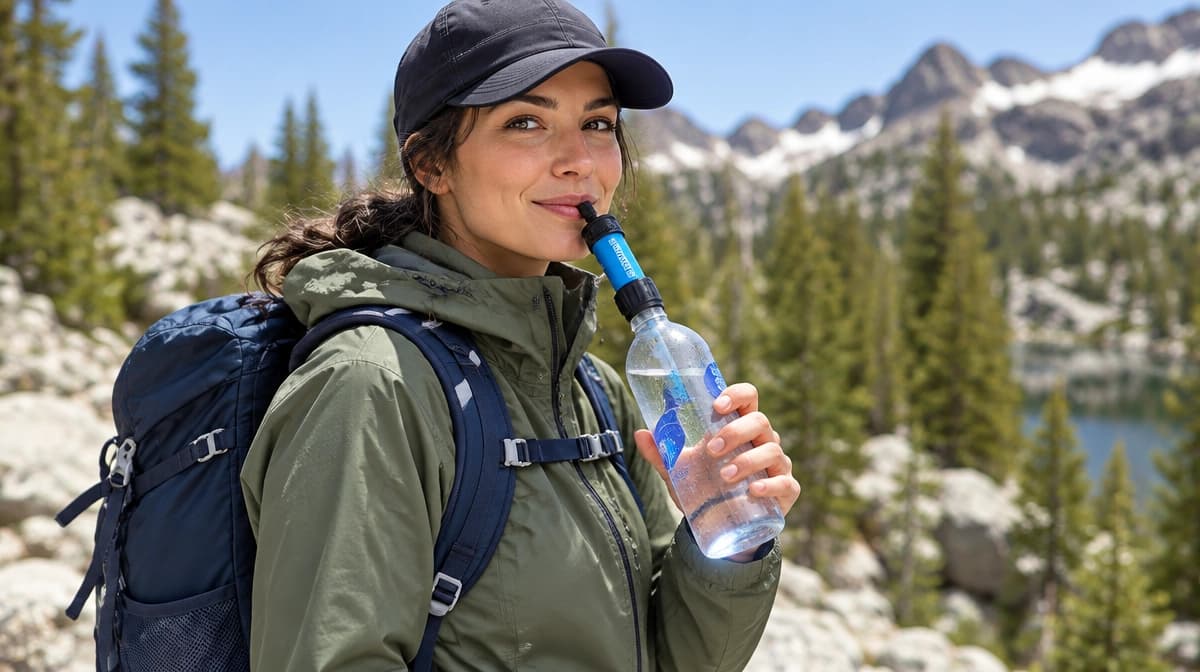
Inline squeeze filter
$Sawyer Mini SP128
Works as a straw, inline on a hydration bladder, or with the included squeeze pouch. Rated for 100,000 gallons.
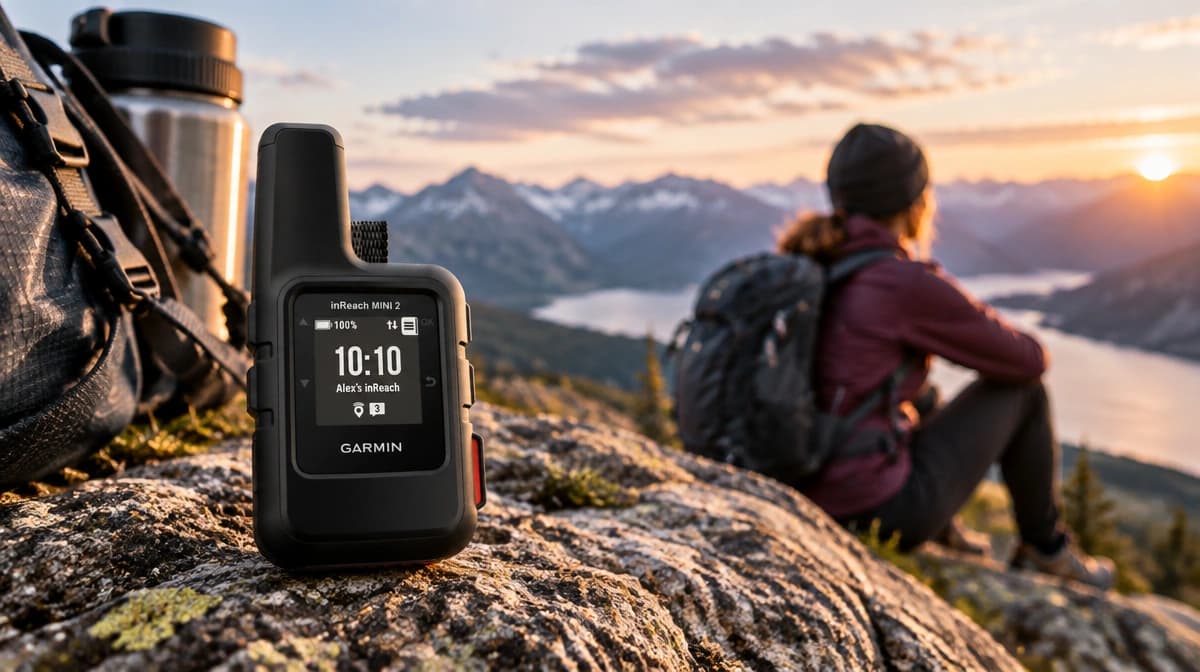
Portable satellite messenger
$$$Garmin inReach Mini 2
Two-way text and SOS capability with no cell signal required. Needs a subscription, but it is the device that gets help to you off-grid.
Keep reading
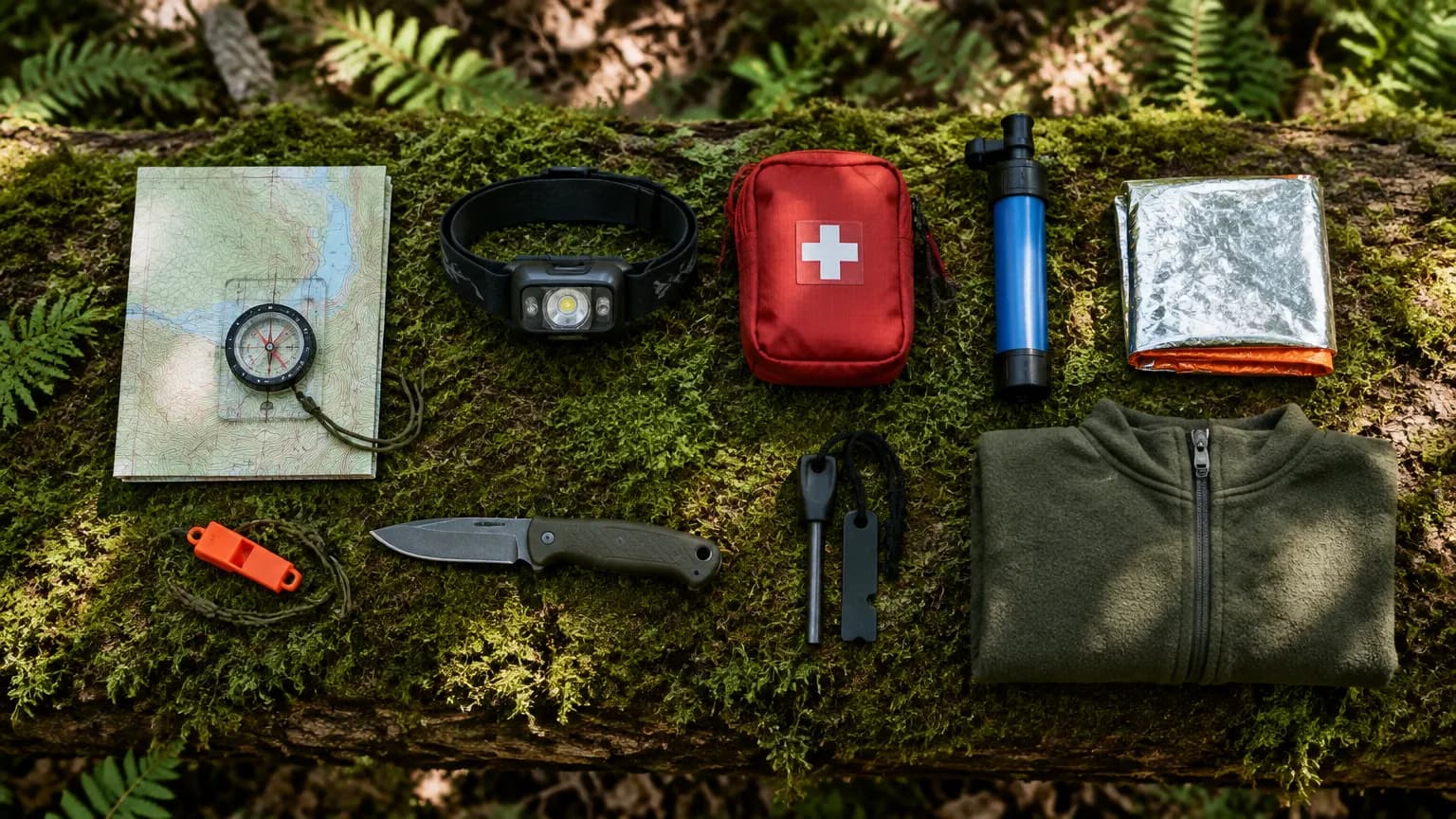
The Wilderness Survival Kit: What Belongs in a Day Pack
Most people who need a survival kit are on a day hike, not an expedition. Here is the small, light set of items that turns an unplanned night outside from an emergency into an inconvenience.
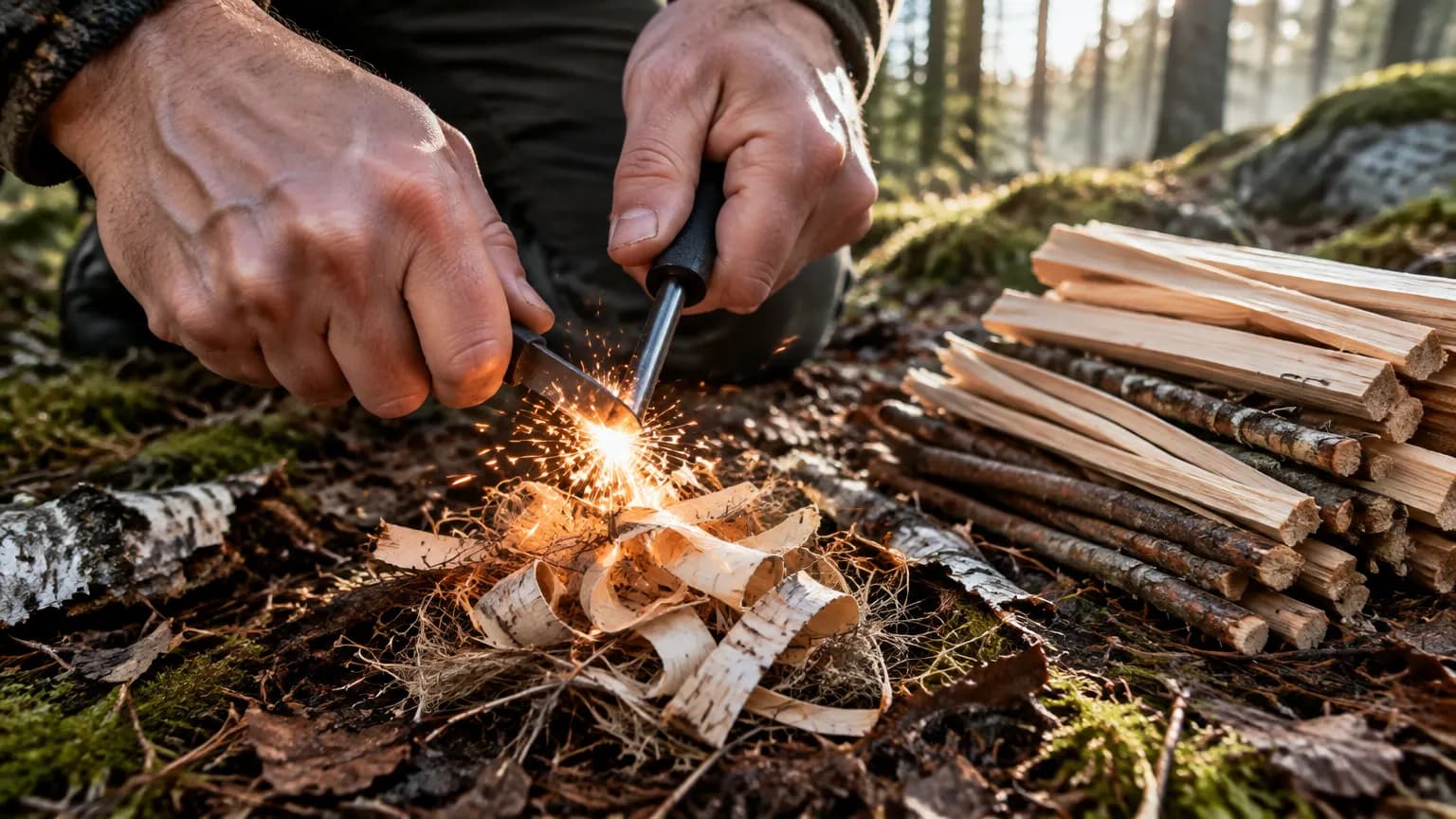
How to Start a Fire Without a Lighter or Matches
Friction fire makes good television and is a poor plan. Here is what actually works when the lighter is gone, how the methods compare when it is wet, and why the tinder matters more than the spark.

If You Get Lost in the Woods: STOP, and What Comes Next
The instinct when you realize you are lost is to keep moving and find the trail. That instinct is usually what turns a short search into a long one.