 The Prep Nest
If You Get Lost in the Woods: STOP, and What Comes Next
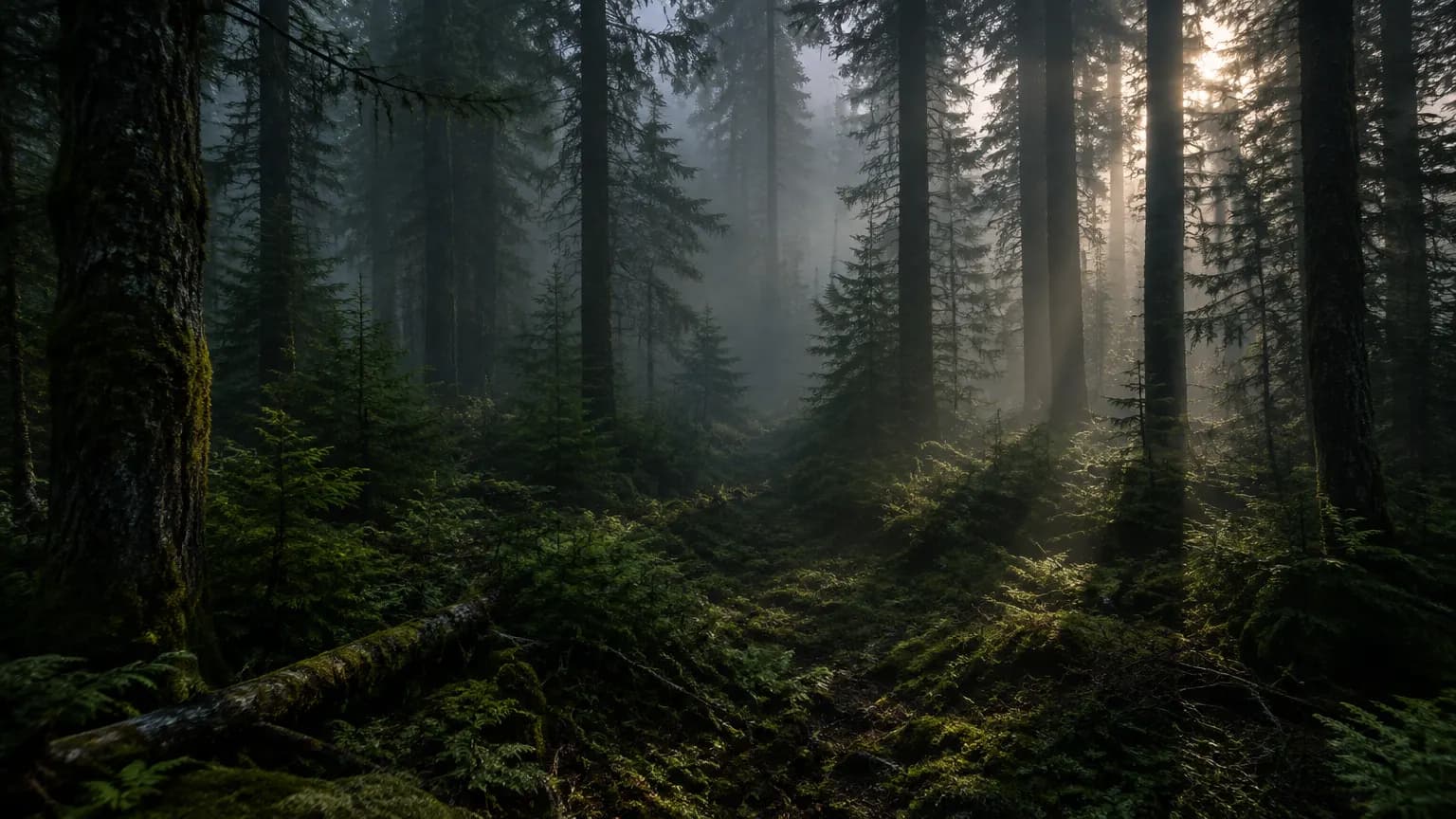
Being lost rarely announces itself. It arrives as a slow accumulation of doubt: a junction that was not on the map, a stream crossing you do not remember, a growing sense that this ridge is the wrong ridge. By the time most people admit they are lost they have already walked a considerable distance in the wrong direction, and often at speed, because the first instinct is to push on and find something familiar.
That instinct is the problem. Search and rescue works outward from a last known point, and every mile you cover after becoming disoriented expands the area they have to cover by far more than a mile. Worse, people who are lost and moving tend to move downhill and into drainages, which is exactly where the terrain gets steeper, the vegetation thicker, and the chance of injury higher.
The standard response is the acronym STOP, and it is genuinely useful rather than just memorable. Stop moving, the moment you suspect you are lost. Think about what you know: when you were last certain of your position, how long ago that was, what direction you have travelled since. Observe your surroundings, the map, the compass, the terrain, the light remaining. Plan before you take another step, and if the plan is not clearly better than staying put, stay put.
Sit down and deal with your own state first, because decisions made while panicking are the ones that compound. Drink some water. Eat something. Put on a layer before you get cold rather than after. Give yourself ten minutes. People consistently report that the fear peaked at the moment of realization and receded once they were doing something deliberate.
Then make the stay-or-move decision honestly. Stay put if someone knows where you went and when you were due back, which is the situation for anyone who sent that message before leaving. Stay put if light is fading, if the weather is turning, if anyone is injured, or if you genuinely do not know which direction would help. Moving makes sense mainly when nobody is expecting you, when you can see a definite objective such as a road or a building, or when where you are is actively dangerous.
If you stay, your job becomes being found. Make yourself visible: get to a clearing or a ridge rather than dense canopy, lay out bright clothing, build a smoky fire during daylight if conditions allow it safely. Make yourself audible: three whistle blasts, repeated, with pauses to listen. Threes are the recognized distress pattern across signalling methods. Then handle the night, because an unplanned night outside is survivable and unpleasant in roughly that order. Shelter from wind and wet, insulation from the ground, and the rule of threes to keep your priorities straight.
If you do move, move deliberately. Mark your route so you are not wandering in circles, which is easier to do than most people believe when there is no sun and no landmark. Pick a bearing and hold it rather than following whatever looks easiest, because following the path of least resistance is how people end up in gorges. Note the time and pace so you can retrace. And if the plan stops making sense, stop again.
The technology question is worth being clear about. A phone is the first thing to try: even without a usable signal for calls, a text may go through, and modern handsets can hold a rough position from GPS without any network at all. Beyond that, a satellite messenger is the device that genuinely changes this scenario, because its SOS reaches a staffed coordination centre from anywhere with a view of the sky and its two-way text lets rescuers tell you whether to stay or move. It needs a live subscription, which is the part people let lapse.
Almost all of this is decided before you leave. Tell someone your route and your expected return. Carry the small kit that makes a night out survivable. Download the offline map. Getting lost is not a failure of skill, it happens to experienced people in familiar places, and the outcome is set almost entirely by decisions made in the calm beforehand rather than the confusion afterwards.
Recommended gear for this guide
Picks from our Gear Guide that cover what this article talks about. Affiliate links; see our disclosure.
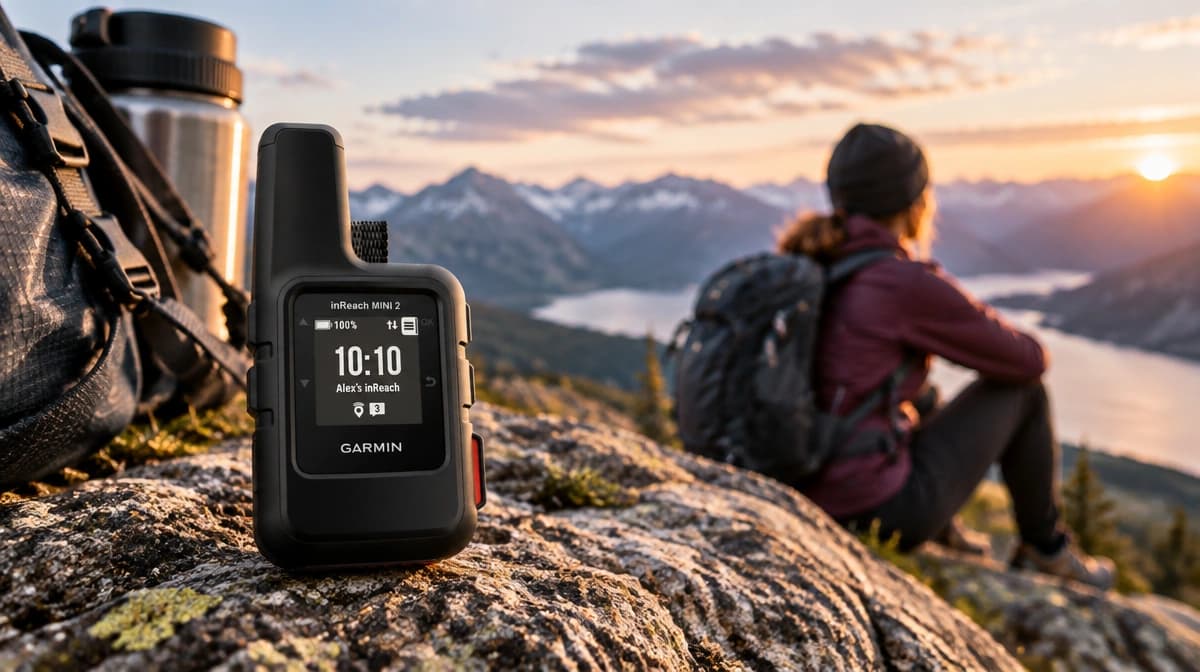
Portable satellite messenger
$$$Garmin inReach Mini 2
Two-way text and SOS capability with no cell signal required. Needs a subscription, but it is the device that gets help to you off-grid.
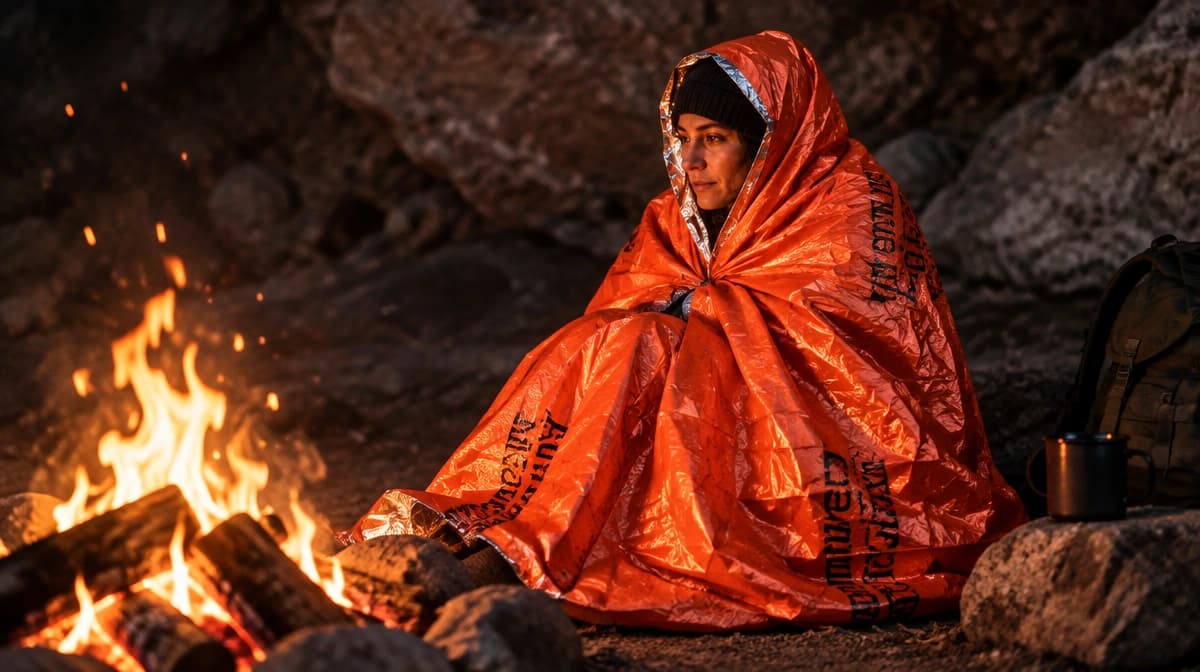
Emergency bivvy
$S.O.L. Emergency Bivvy
Packs down to the size of a fist and reflects 90 percent of body heat. Far more effective than a flat space blanket.
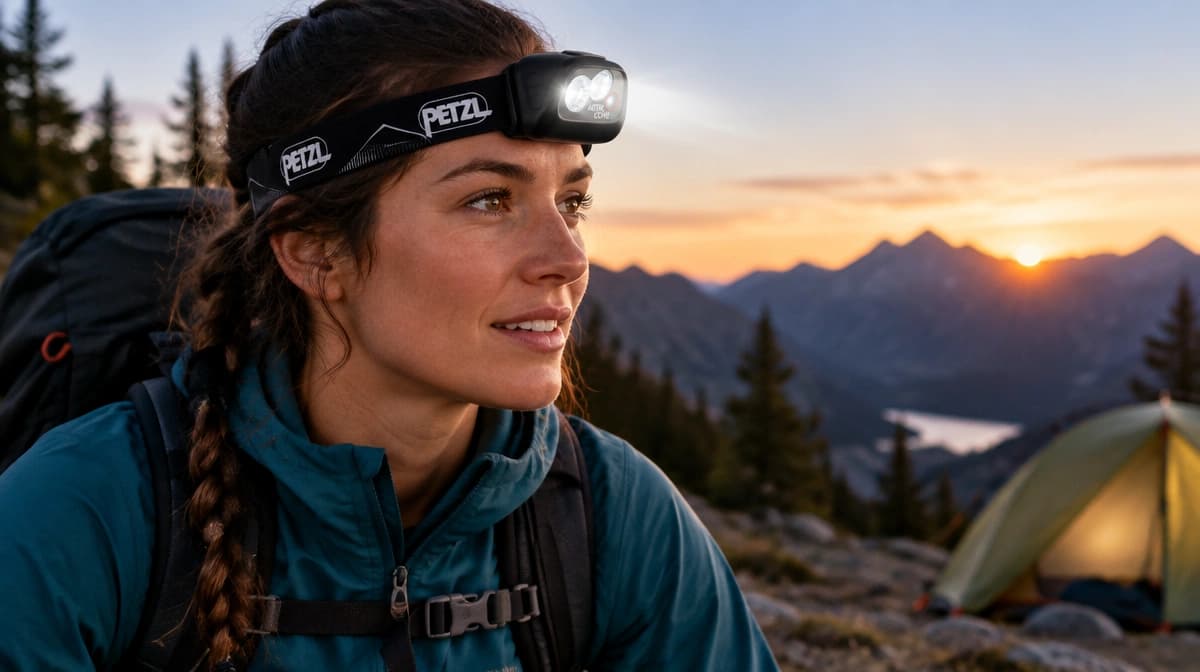
Rechargeable headlamp
$$Petzl Actik Core
Frees up your hands, which matters more than people expect during an actual outage. Runs on the rechargeable Core or three AAAs.
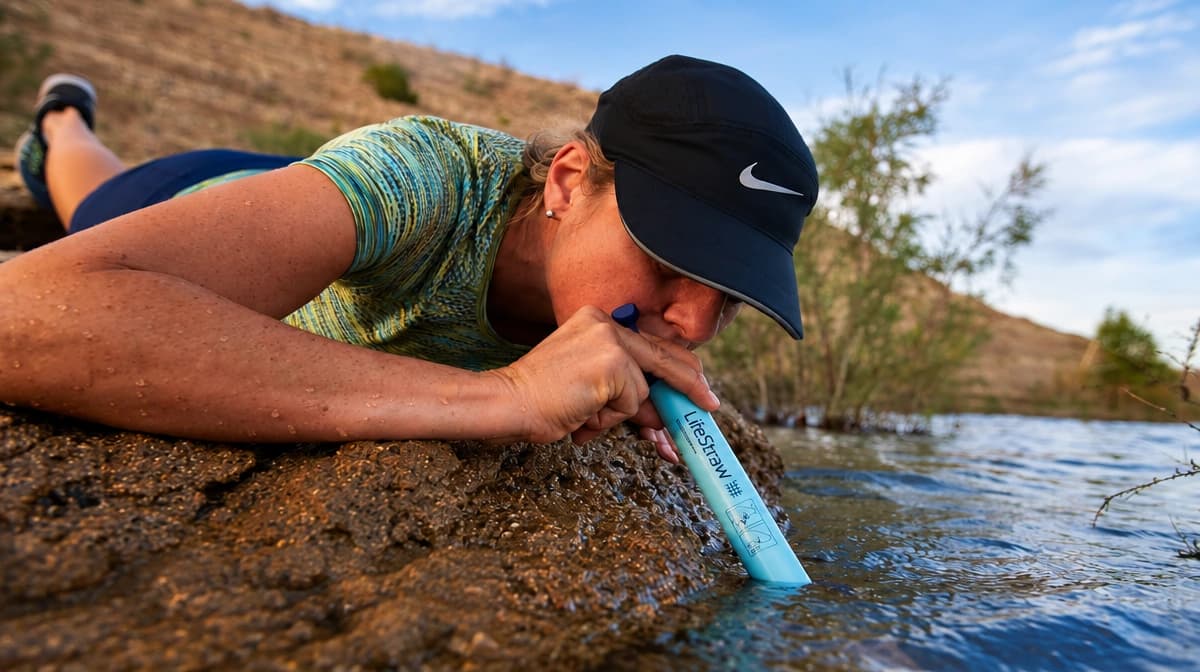
Personal straw filter
$LifeStraw Personal
Compact, single-user filtration for bug-out bags and day hikes. No moving parts, nothing to break.
Keep reading
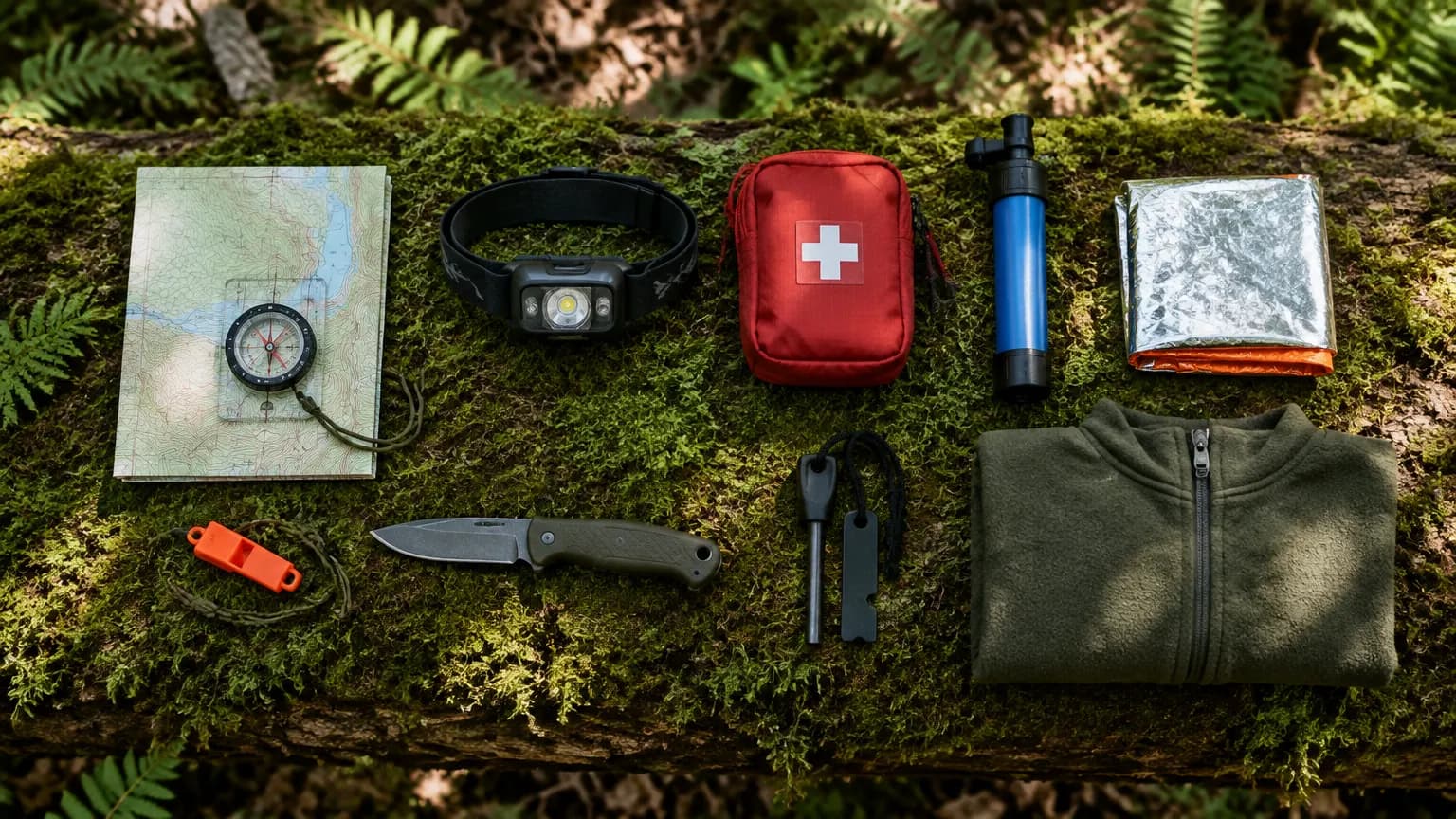
The Wilderness Survival Kit: What Belongs in a Day Pack
Most people who need a survival kit are on a day hike, not an expedition. Here is the small, light set of items that turns an unplanned night outside from an emergency into an inconvenience.
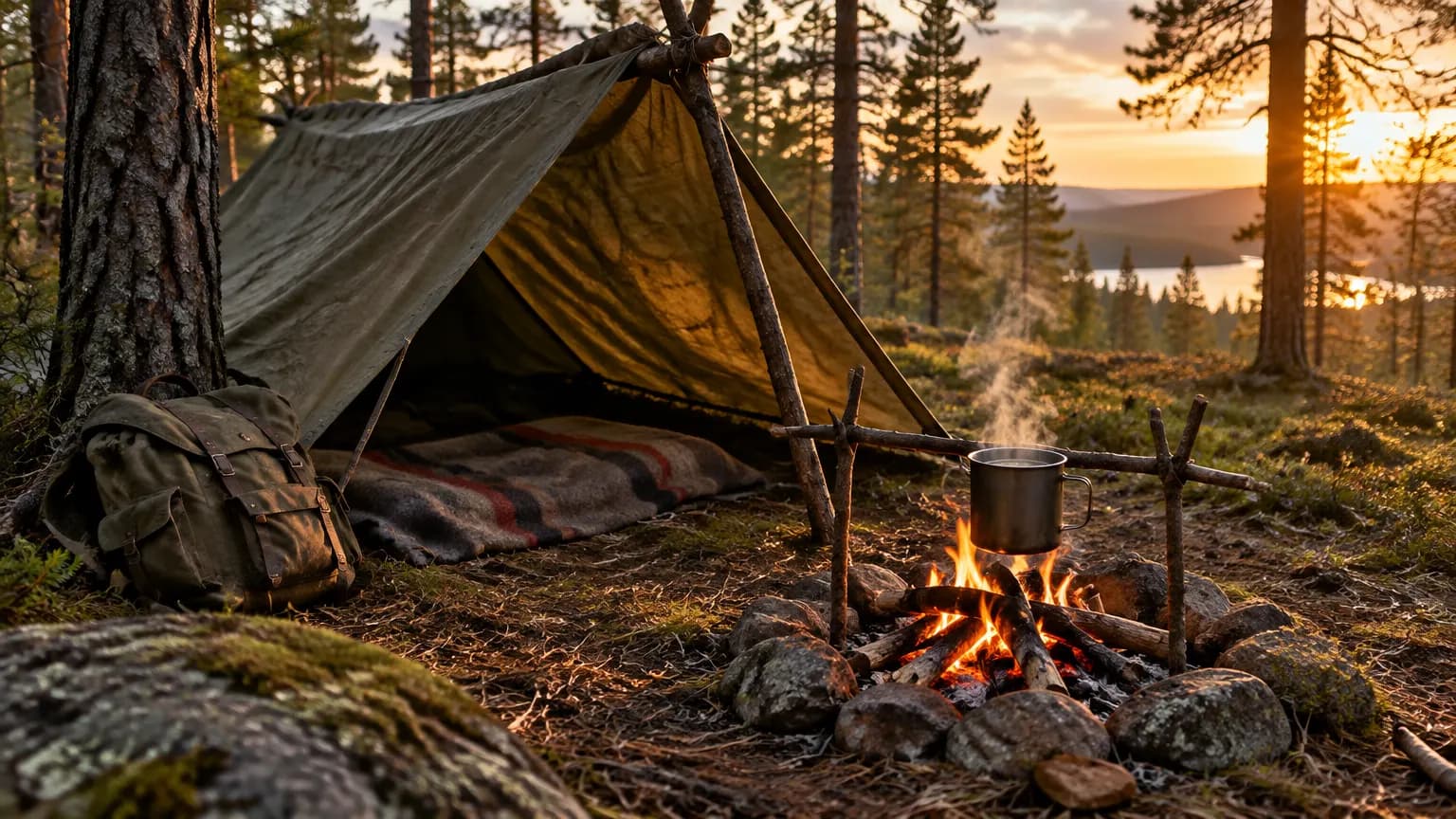
The Survival Rule of Threes: What to Prioritize When Things Go Wrong
When everything feels urgent, the Rule of Threes tells you what to actually deal with first, and it isn't food.
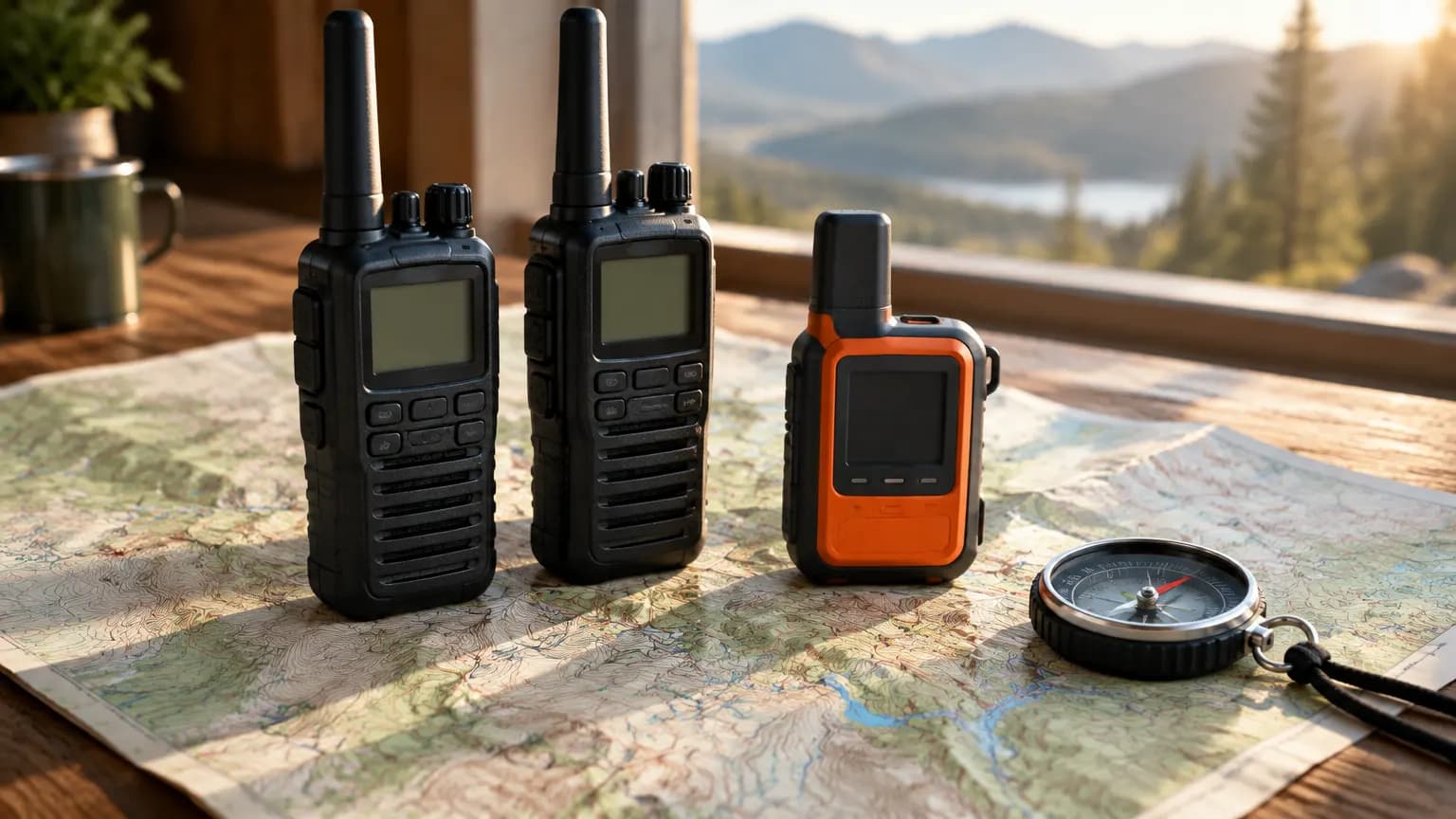
Staying Reachable When the Network Is Not: Radios vs Satellite
Two-way radios, satellite messengers, and weather radios do three different jobs, and the advertised range on the box is not the range you will get. Here is how to choose between them.