 The Prep Nest
The Natural Disaster Kit: What Changes by Disaster Type
There is no such thing as a natural disaster kit in general. There is a common core, which our 72-hour checklist covers, and then a set of adjustments that depend entirely on what is likely where you live. The most useful way to think about the difference is warning time, because it decides whether preparation happens before the event or has to already be finished.
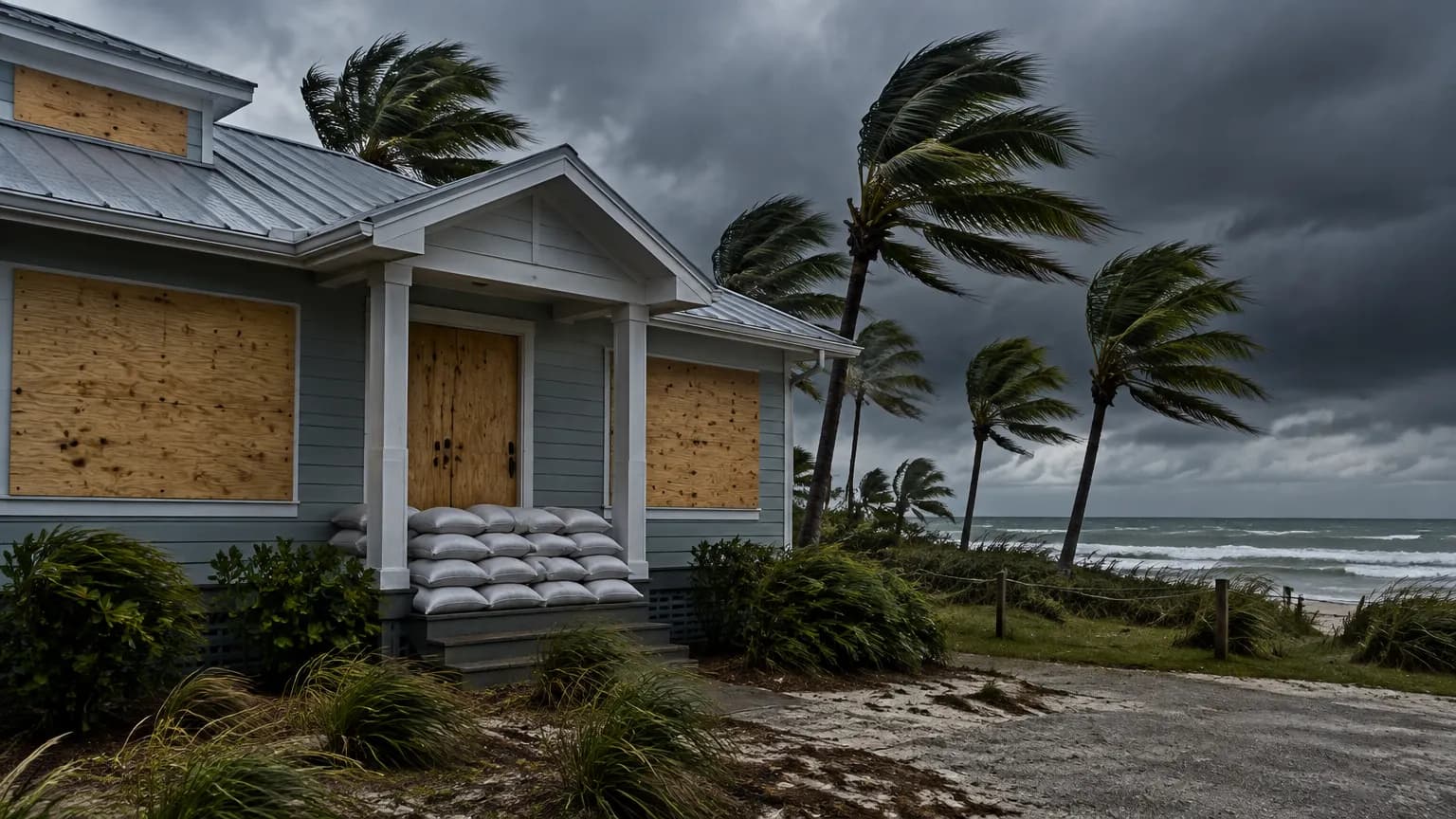
Hurricanes give you days, which is a gift and a trap. The gift is that you can fill the car, fill water containers, freeze containers of water to buy freezer time, charge everything, and board or shutter windows. The trap is that everyone else is doing the same thing at the same store, so anything you have not bought by the time the cone appears on the news is probably gone. The specific additions are water beyond your usual storage, since municipal supply often takes days to come back and boil notices follow, plus tarps and plastic sheeting for the roof damage that turns one wet room into a ruined house. The real danger window is often after the storm, when people run generators too close to the building and carbon monoxide does what the wind did not.
Wildfires give you minutes, sometimes less, and that changes everything. Nothing that needs assembling on the day is part of your plan; the bags are packed in fire season or they do not exist. The specific additions are N95 or P100 respirators, because smoke is the part that reaches far beyond the flames and affects everyone downwind, plus goggles and cotton or wool clothing rather than synthetics. The work that matters most, though, is not in a kit at all: clearing the defensible space around the structure, cleaning gutters, moving firewood away from walls. And the single best decision is leaving early, on a warning rather than an order, because the roads out of a fire area are narrow and fill fast.
Earthquakes give you no warning at all, which puts all the preparation before the event and much of it in odd places. Keep sturdy shoes and a headlamp strapped to the bed frame, because the most common post-quake injury is cut feet on broken glass in the dark. Secure the heavy things that fall: bookcases and water heaters strapped to studs, latches on upper cabinets. Store water more generously than you would elsewhere, since pipes break and supply can be out for a long time. Know where your gas shutoff is and how to turn it, and know the caveat that goes with it: turn gas off only if you smell or hear a leak, because once it is off it stays off until the utility can come and relight it, which after a major quake can take weeks. Expect aftershocks and treat every structure as suspect until someone qualified says otherwise.
Floods have the strangest logic, because the right move can be up rather than out. If the water is rising and the roads are already compromised, going to a higher floor may be safer than driving, though an attic without roof access is a trap rather than a refuge. Whatever you do, never walk or drive through moving water: six inches will take an adult off their feet and a foot of it will float most cars. Flood-specific additions are documents in genuinely waterproof containers, rubber boots and gloves for the cleanup, which involves contaminated water rather than clean rainwater, and a very healthy suspicion of anything the water touched.
Winter storms are a power outage with a deadline attached, and the deadline is how long your house stays above a temperature you can live in. The additions are heat that does not need the grid, layers and sleeping bags rated colder than you think, and a plan to let the faucets drip so pipes do not burst. Every combustion heat source belongs to the same rule as generators and grills: not indoors, not in the garage, not on the porch. Our multi-day blackout guide covers the rest of the cold-house problem.
Tornadoes are the shortest warning of all and the kit matters least, because survival is almost entirely about where you are standing. Know your shelter room, the lowest interior space with no windows, and keep shoes, a helmet if you have one, and a whistle there. A whistle is a strange-looking item until you understand that it lets rescuers find you under debris when shouting has worn your voice out.
The practical takeaway is to build the common core once and then add one short, disaster-specific layer for your region, written on a card taped to the bin. If you live somewhere with two plausible disasters, add two layers. The kit does not need to be bigger than everyone else's. It needs to be right for the thing that is actually likely to happen where you are.
Recommended gear for this guide
Picks from our Gear Guide that cover what this article talks about. Affiliate links; see our disclosure.
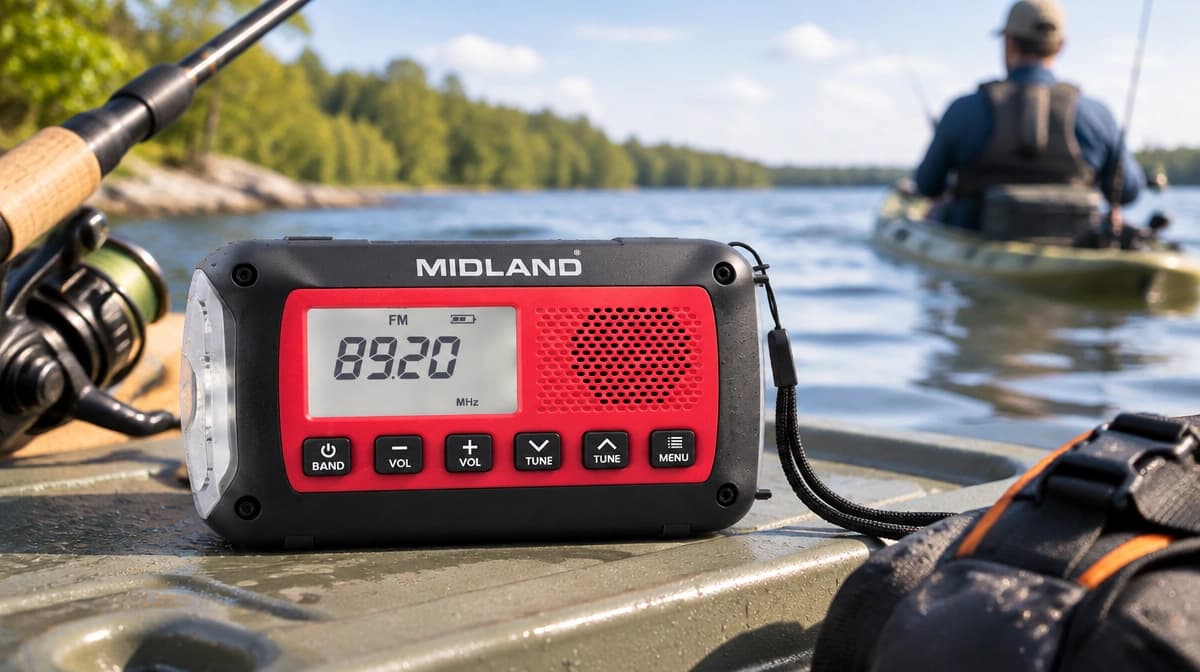
Hand-crank / solar radio
$$Midland ER310
NOAA weather alerts, phone charging, and a flashlight in one unit. Charges by crank, solar, or USB.
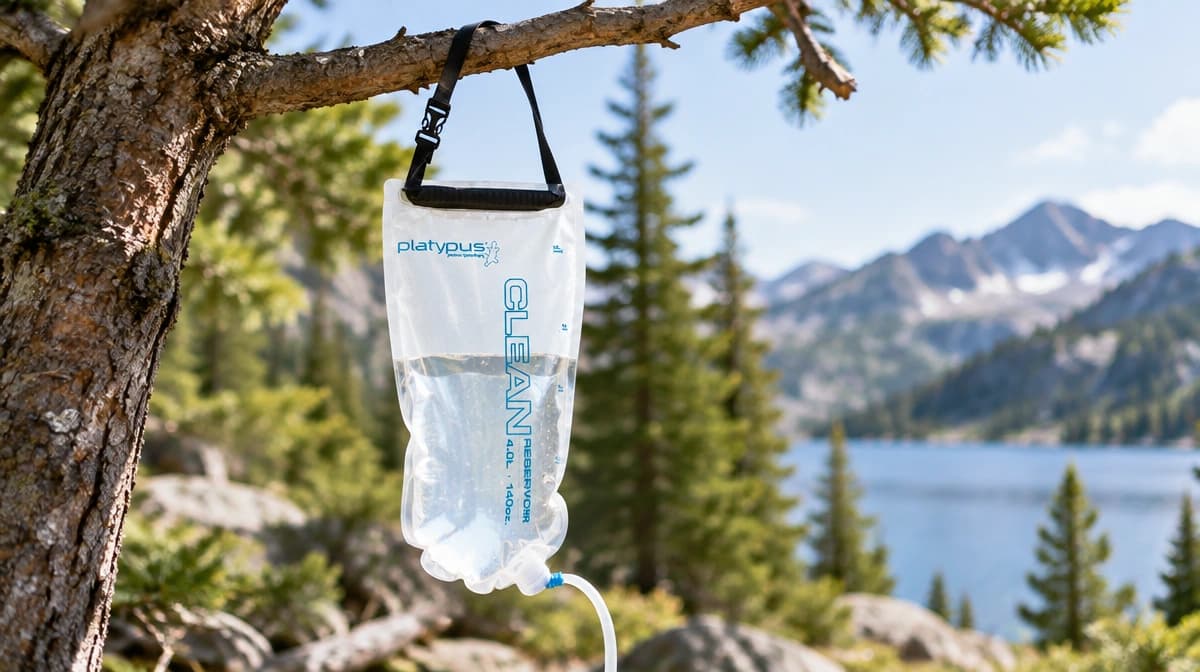
Gravity-fed water filter
$$$Platypus GravityWorks 4L
Filters four liters at a time with no pumping required, ideal for a household kit or group camp.
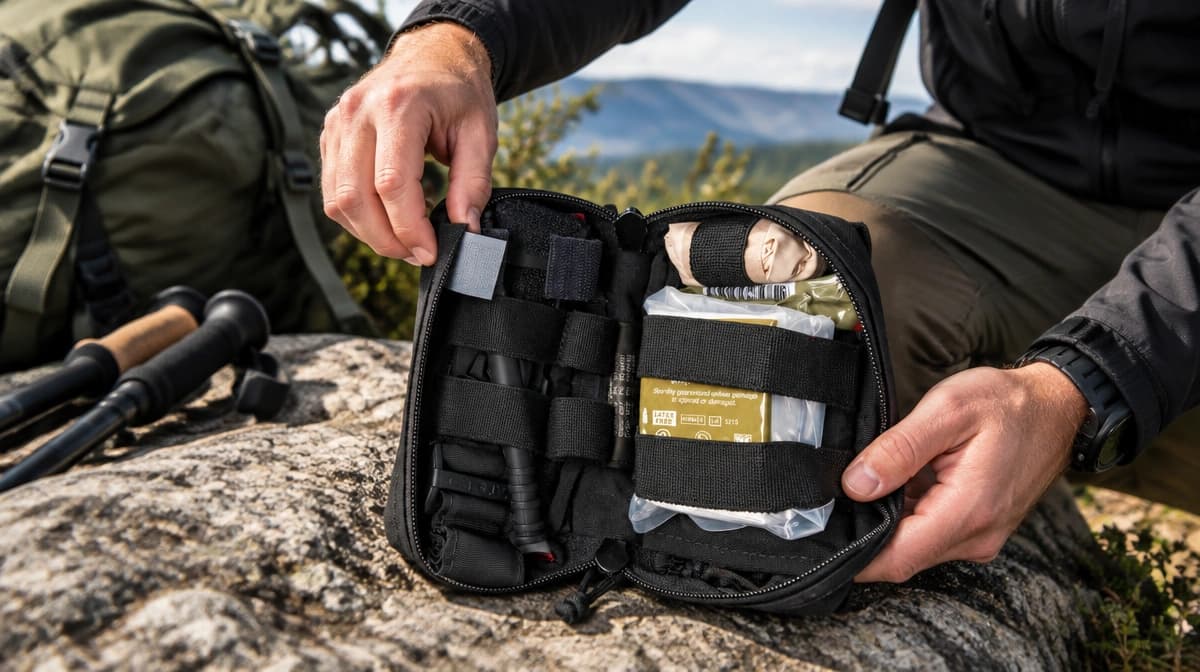
Trauma-level first aid kit
$$$North American Rescue M-FAK Mini
The same bleeding-control gear first responders carry: CAT tourniquet, emergency trauma dressing, and compressed gauze in a compact pouch.
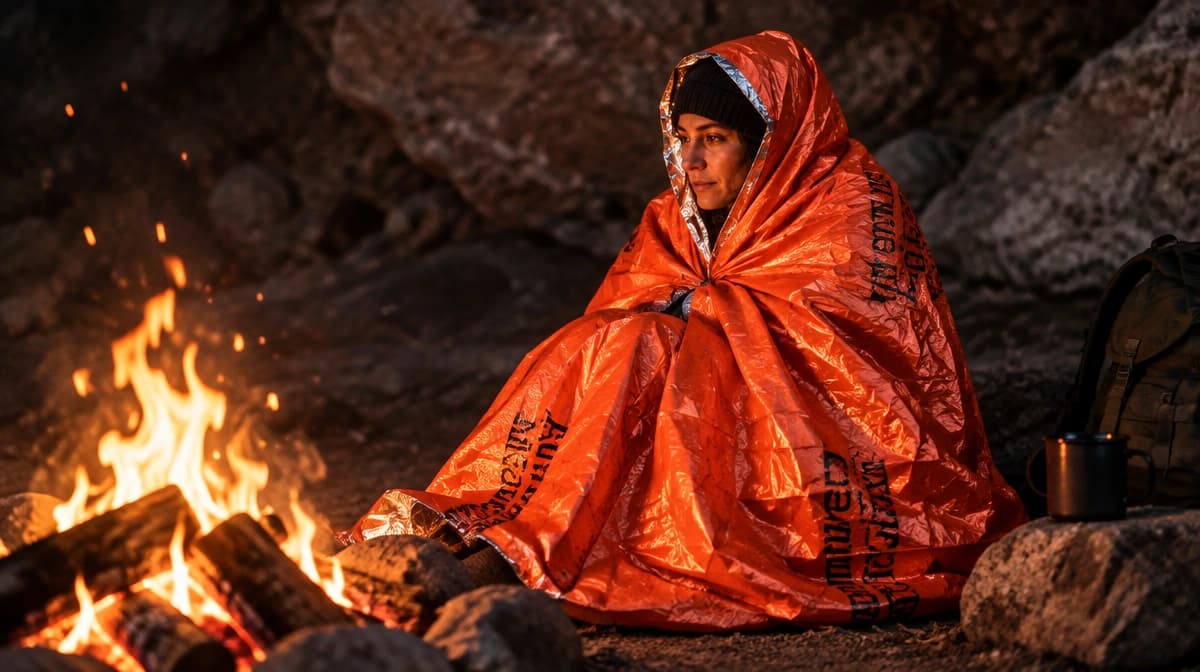
Emergency bivvy
$S.O.L. Emergency Bivvy
Packs down to the size of a fist and reflects 90 percent of body heat. Far more effective than a flat space blanket.
Keep reading
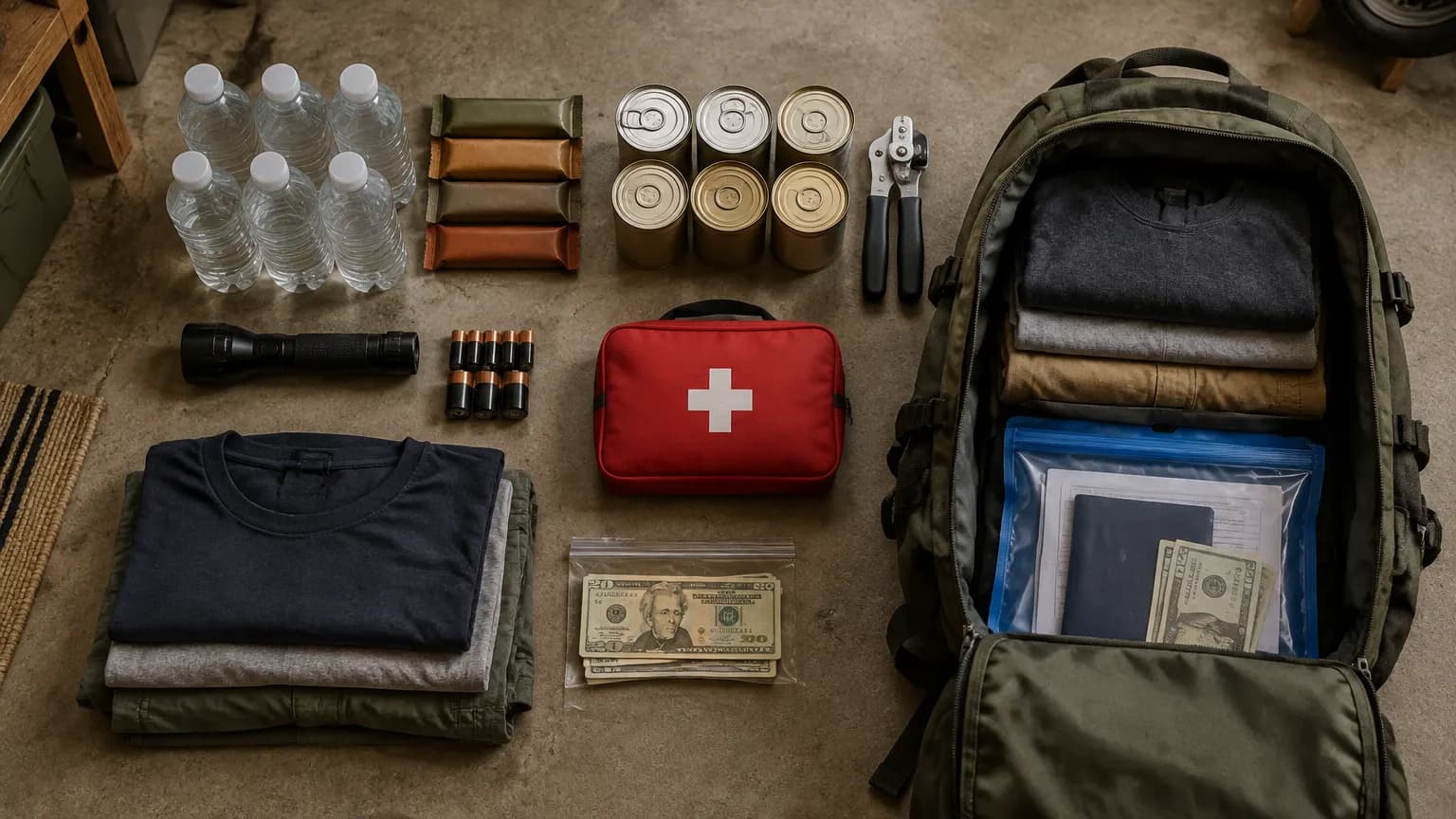
The Complete 72-Hour Emergency Kit Checklist
The first 72 hours after a disaster are the hardest to plan for and the easiest to get wrong. Here's exactly what belongs in your kit, room by room.
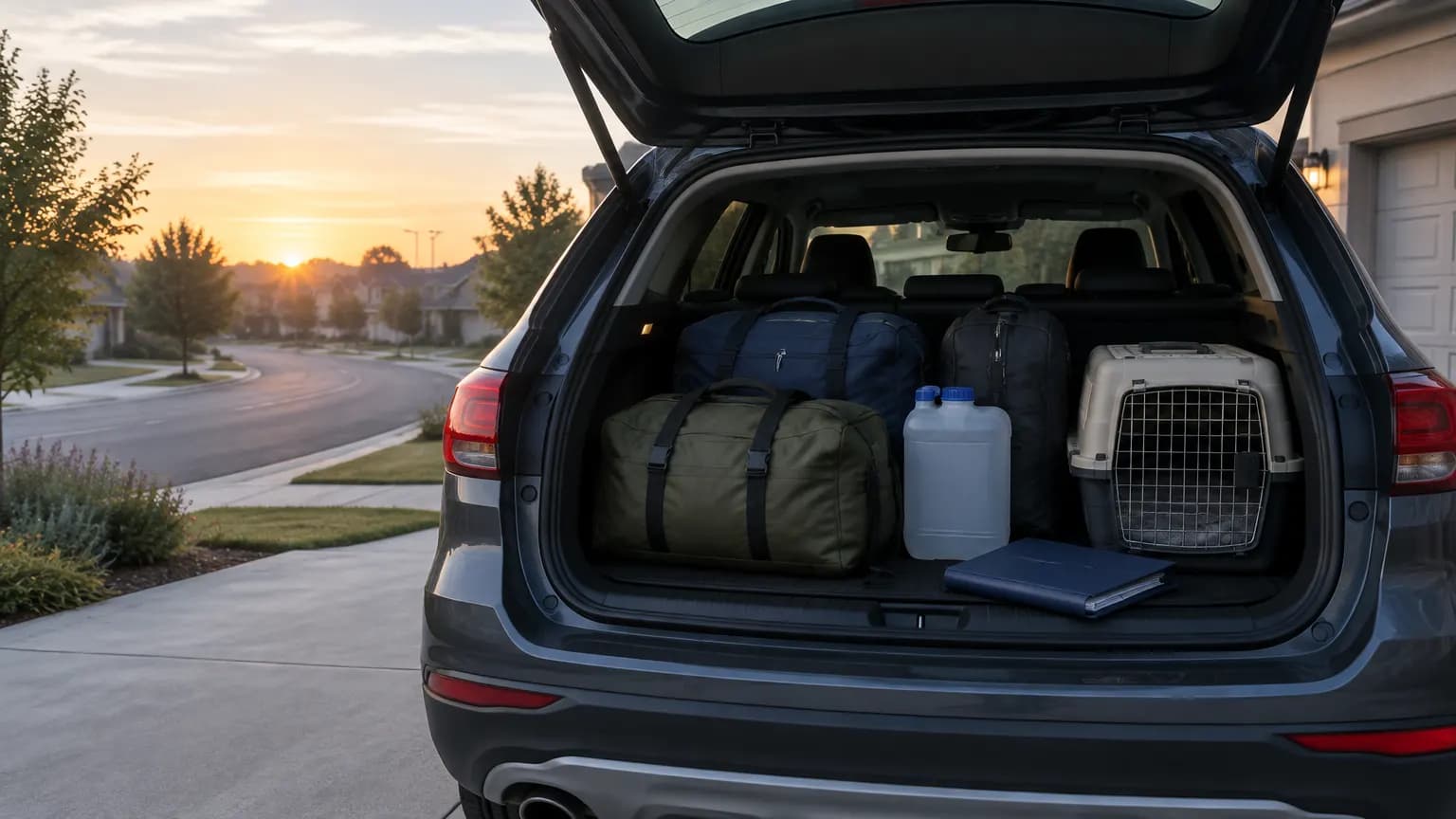
When to Leave: Building an Evacuation Plan Before You Need One
The people who get out cleanly are rarely the fastest packers. They are the ones who decided the threshold in advance and had a list for fifteen minutes, one hour, and six.
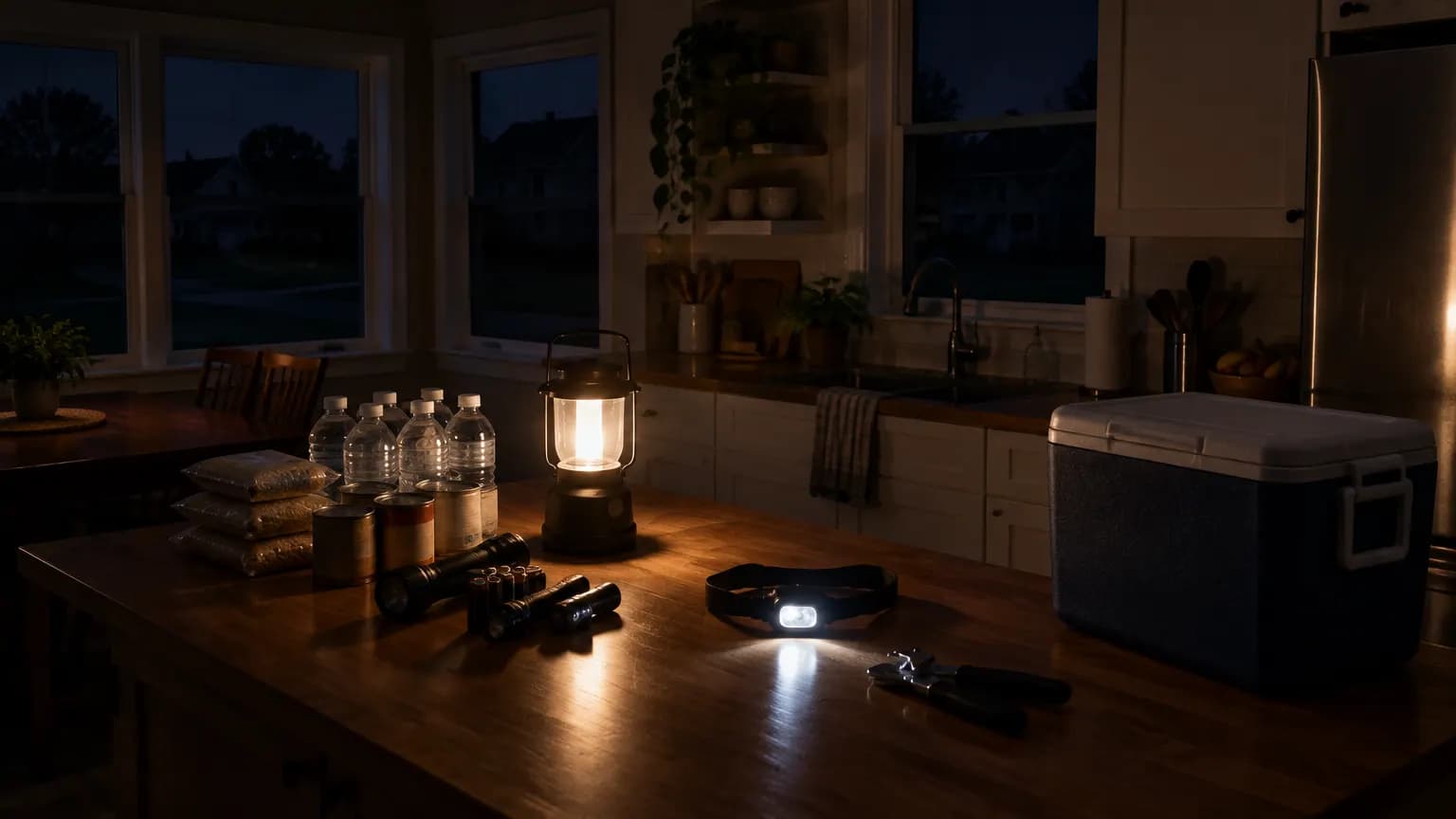
The Power Outage Emergency Kit: What You Actually Need
Most outage kits are built around candles and a flashlight, which covers the first hour and nothing after it. Here is what a kit needs to carry you through a full outage, and what the food in your fridge is doing while you wait.