 The Prep Nest
Shelter in Place: What It Means and How to Do It Properly
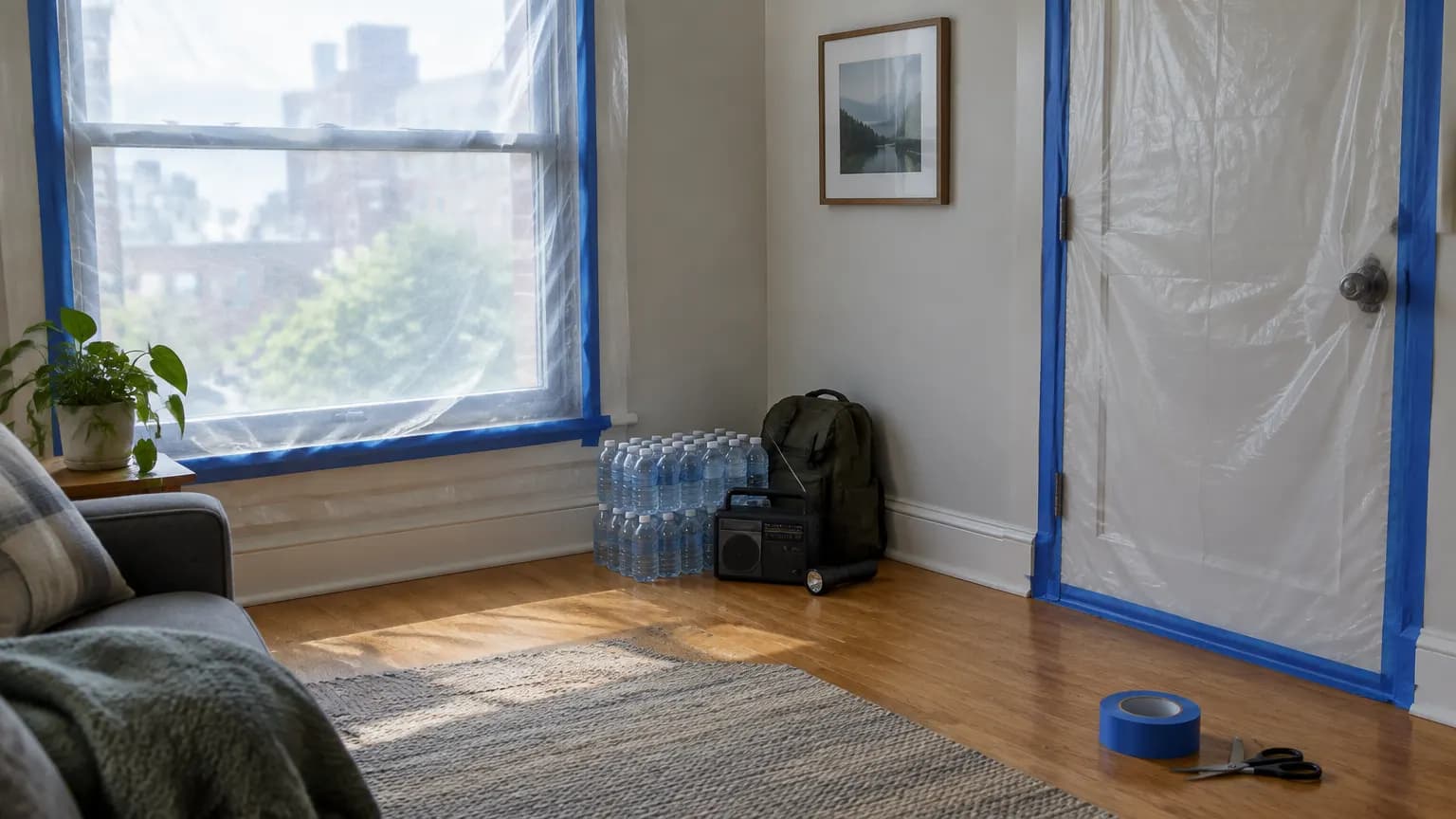
Shelter in place is one of those instructions that sounds self-explanatory and is not. At its simplest it means staying where you are and making that space as safe as you can, rather than evacuating. What it requires in practice depends entirely on what you are sheltering from, and the versions are different enough that following the wrong one is worse than doing nothing.
There are four common reasons an order gets issued. A chemical or industrial release, where outside air is the hazard. Severe weather, usually a tornado, where the building's structure is the hazard and the outside air is fine. An active threat or police operation, where other people are the hazard. And smoke, usually from a wildfire, where the air is bad but not immediately lethal. Each one changes what you should actually do.
For a chemical or hazmat release, the goal is to put as much sealed building between you and the outside air as possible. Go inside, take pets with you, and pick an interior room with as few windows and doors as possible. Go up rather than down if you can, because many industrial vapours are heavier than air and settle low, which is the opposite of tornado advice. Shut off anything that pulls outside air in: air conditioning, forced-air heating, extractor fans, and the fireplace damper. Then seal the room, taping plastic sheeting over windows, vents, and the gaps around the door. Precut sheeting and a roll of duct tape stored together take up no space and save you cutting plastic while a warning is running.
Two practical limits on sealing. Floor space matters, because a sealed room accumulates the carbon dioxide you exhale: around ten square feet per person is the usual planning figure for a few hours. And sealing is explicitly short-term, measured in hours rather than days. It is a way to wait out a passing plume, not a way to live. When the all-clear comes, open everything up and ventilate before settling back in.
For a tornado the advice inverts. Go to the lowest floor, an interior room or hallway with no windows, and put as many walls between you and the outside as you can. Do not seal anything, and do not open windows either, which is an old piece of folklore that does nothing except cost you time. A helmet is a genuinely good idea, since head injury from debris is the common cause of harm.
For an active threat, the response is lock, lights, out of sight, and silent. Lock or barricade the door, turn the lights off, move away from windows and doors, silence your phone rather than just muting the ringer, and stay put until an official all-clear, not until things merely sound quiet. In an apartment building this often means simply not answering the door.
For wildfire smoke, the timescale is days rather than hours, so sealing a single room is not the answer. Close windows and doors, run air conditioning on recirculate rather than fresh-air intake, and if you have a portable air cleaner with a HEPA filter, run it in the room where you sleep. This is the one version where the sensible move is often to leave for somewhere with cleaner air if the episode drags on.
What every version has in common is that you need to know why. That is where a battery or hand-crank radio earns its place, because an order to shelter is usually accompanied by instructions that matter, and phone networks are often the first thing to congest. Sign up for your local emergency alert system in advance too, since that is the channel most likely to reach you first.
The supplies are modest, which is the good news. Water and food for a day or two, a first aid kit, medication, a light, the radio, phone chargers, and something to keep children occupied. Most of this overlaps entirely with a 72-hour kit, so if you have one, you are already most of the way there. The only shelter-specific additions are the plastic sheeting and tape, and those live in the same bin.
One last point worth being clear about, because it is the one people get wrong under pressure: an order to shelter in place is not advice to stay home indefinitely, and it is not the same as an evacuation order. If the authorities switch from one to the other, switch with them. The decision has already been made by people with more information than you have, and the time to argue with it is never.
Recommended gear for this guide
Picks from our Gear Guide that cover what this article talks about. Affiliate links; see our disclosure.
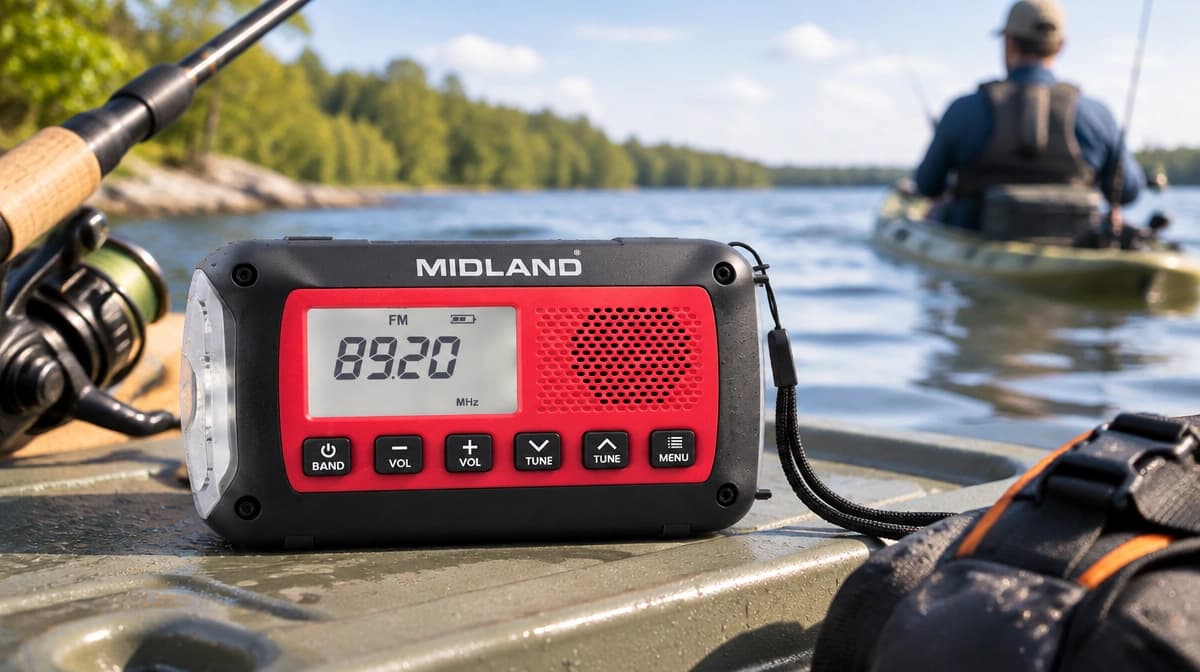
Hand-crank / solar radio
$$Midland ER310
NOAA weather alerts, phone charging, and a flashlight in one unit. Charges by crank, solar, or USB.
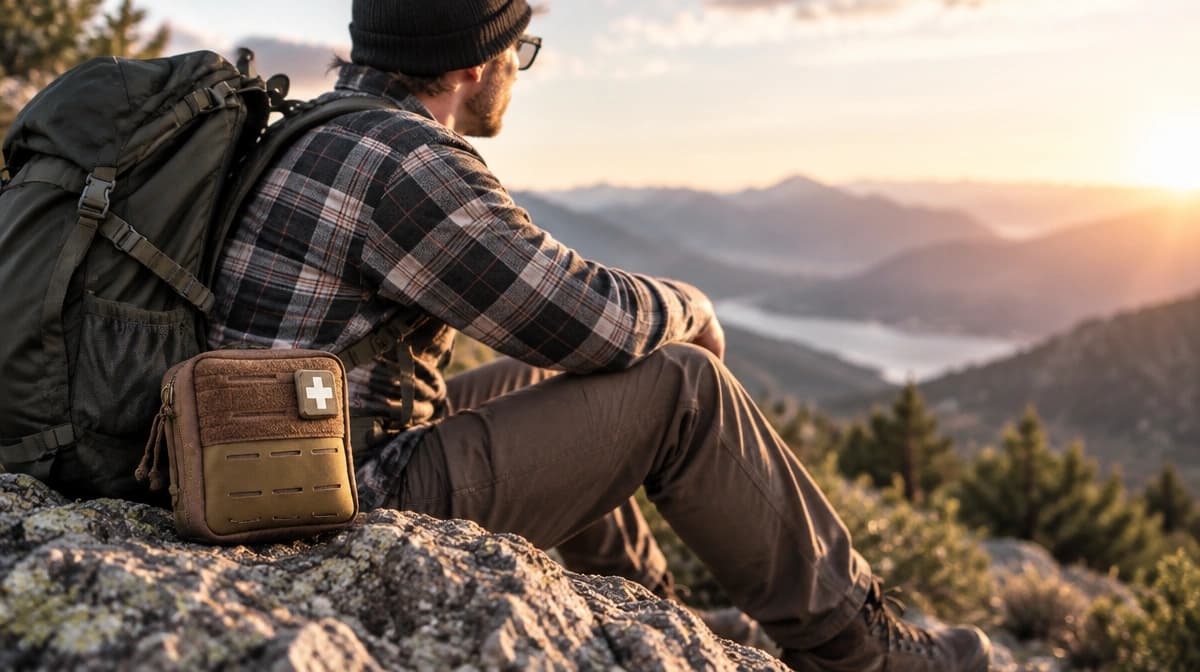
Everyday first aid kit
$$My Medic Everyday Carry Kit
Covers the common stuff (cuts, burns, sprains) in a kit small enough to live in a glovebox or daypack.
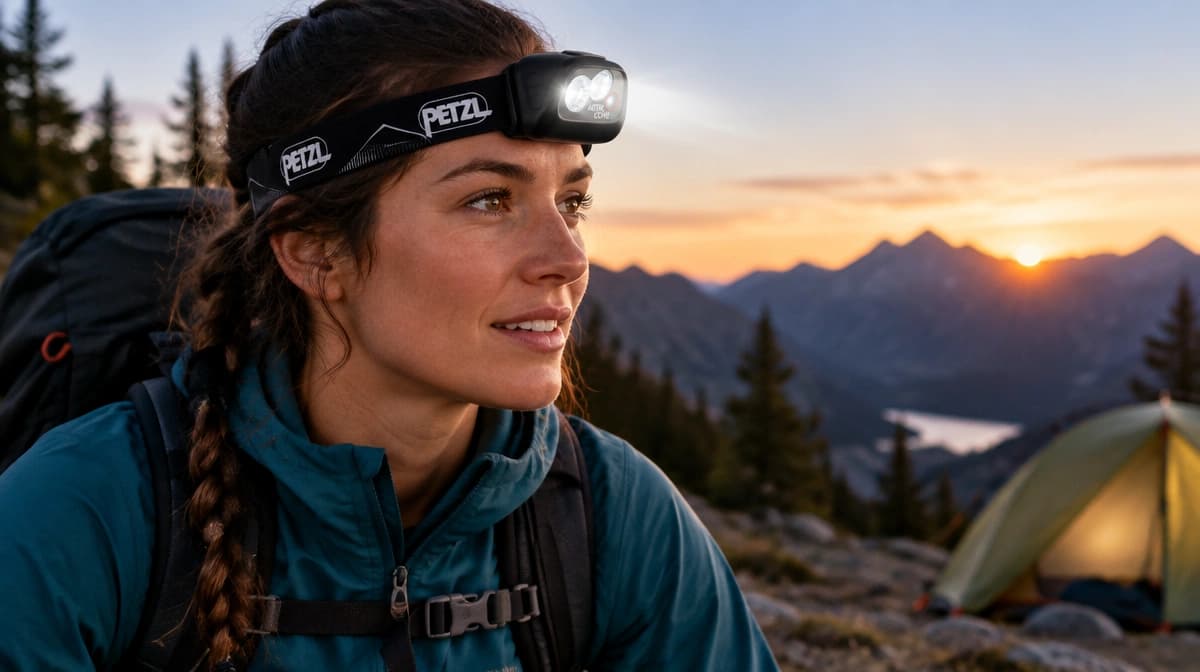
Rechargeable headlamp
$$Petzl Actik Core
Frees up your hands, which matters more than people expect during an actual outage. Runs on the rechargeable Core or three AAAs.
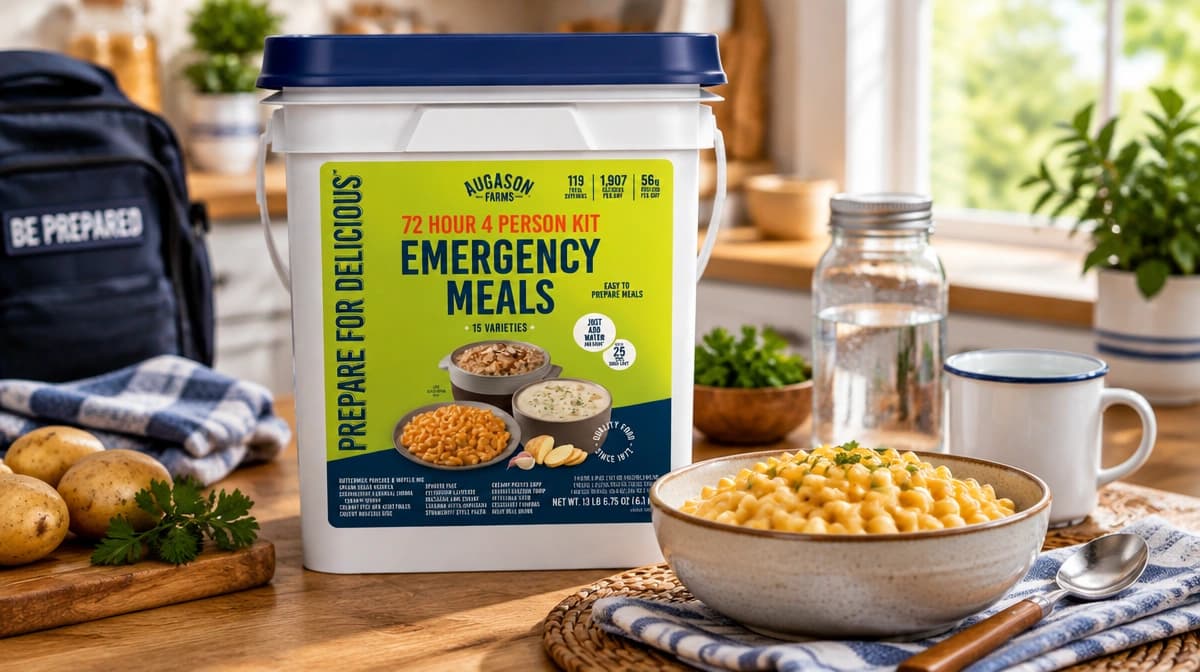
Freeze-dried meal kit
$$Augason Farms 4-Person 72-Hour Kit
Long shelf life with minimal prep: add water and eat. Covers a family of four for the critical first three days.
Keep reading
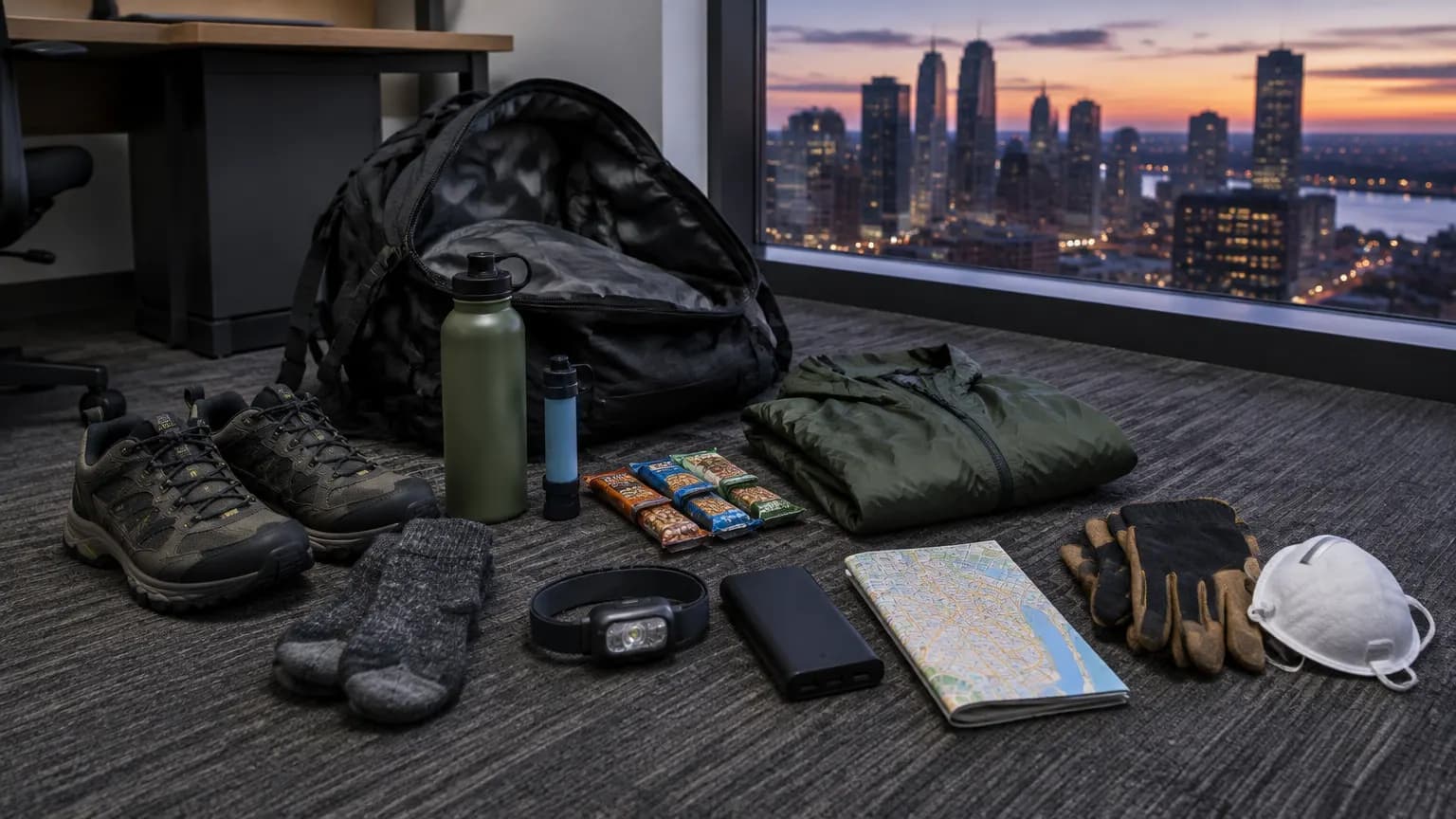
The Get-Home Bag: Making It Back When the Commute Fails
Most emergencies find you at work, not at home. A get-home bag is the small, unglamorous kit that turns an eight-mile walk in dress shoes into an ordinary bad evening.
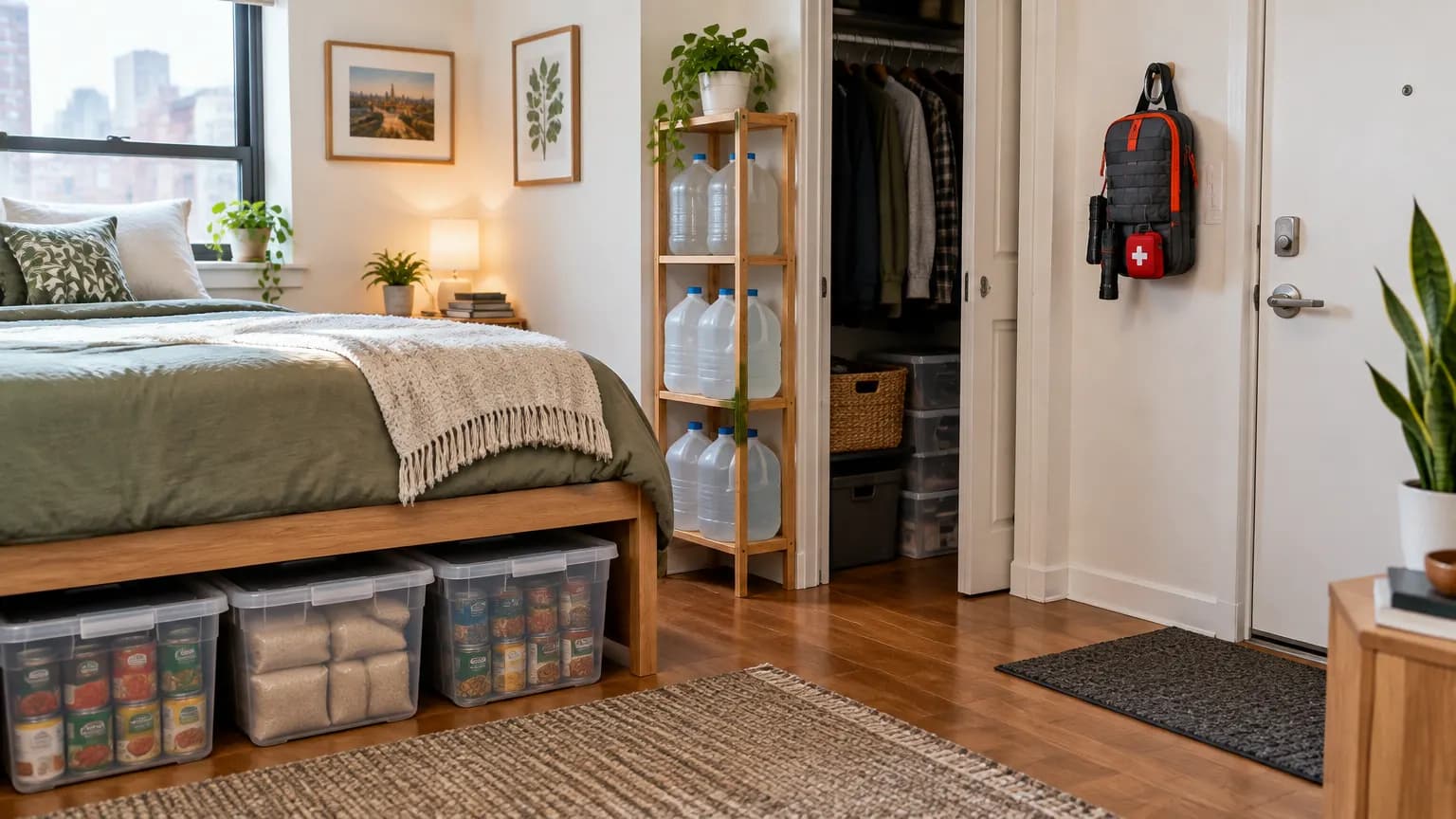
Urban Prepping: Building a Survival Stockpile in a Small Apartment
No basement, no garage, no problem. Space constraints change the shape of a prep plan; they don't rule one out.
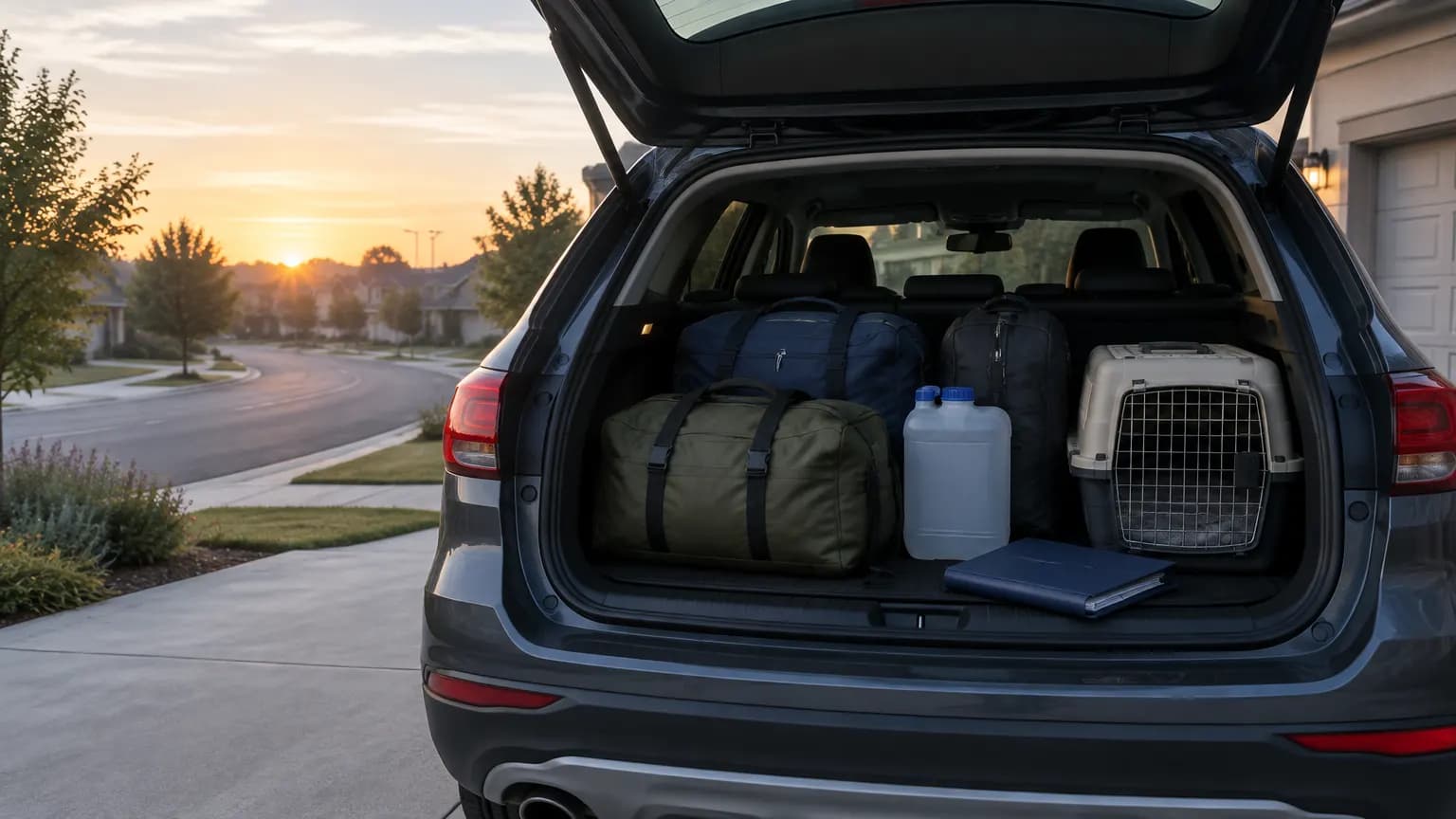
When to Leave: Building an Evacuation Plan Before You Need One
The people who get out cleanly are rarely the fastest packers. They are the ones who decided the threshold in advance and had a list for fifteen minutes, one hour, and six.