 The Prep Nest
Urban Prepping: Building a Survival Stockpile in a Small Apartment
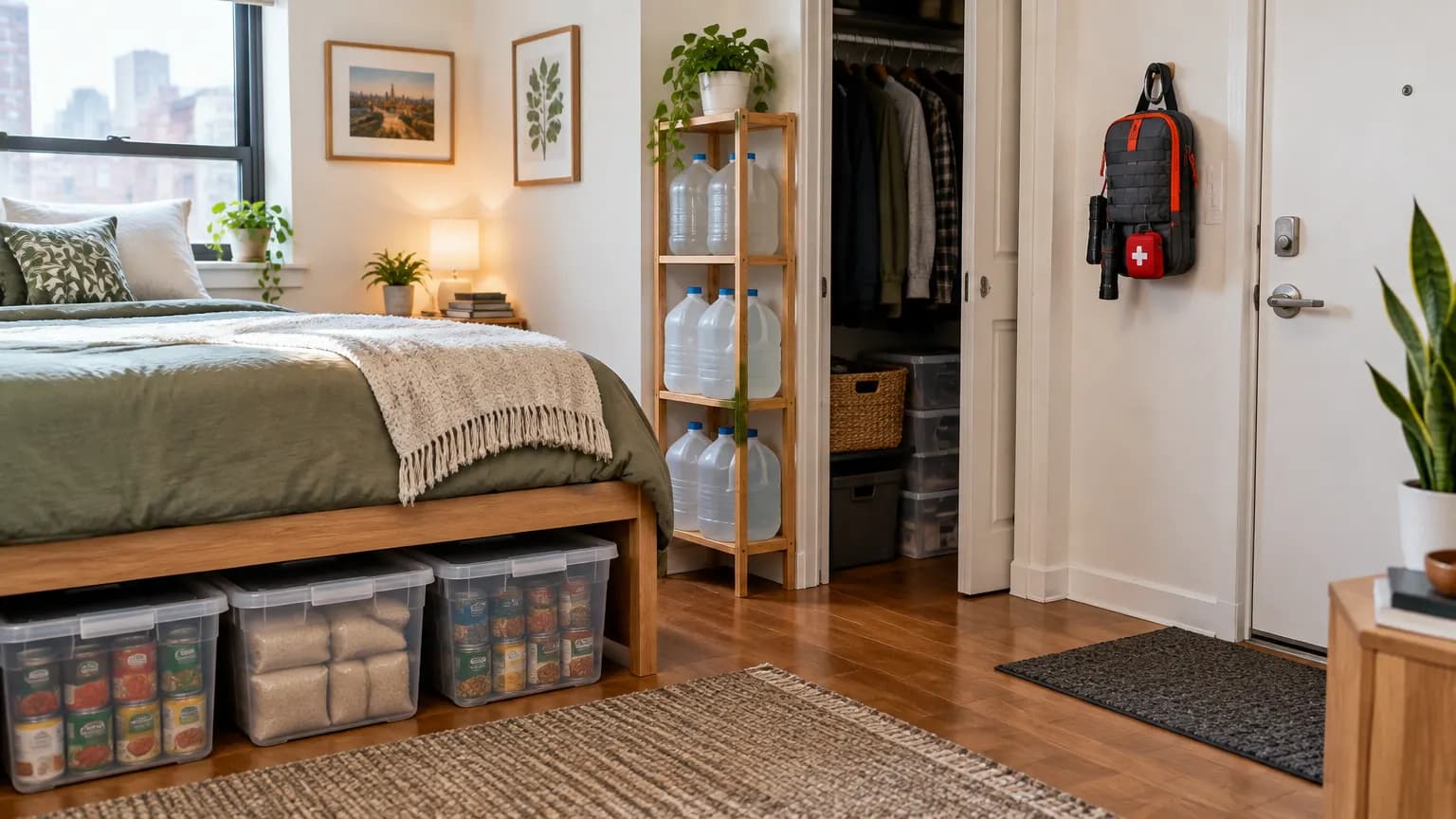
Almost all preparedness writing assumes a house with a basement, a garage and a spare wall. If you live in a one-bedroom flat, the goals do not change (water, food, light, first aid, communication) but the binding constraint does. It is not money and it is not knowledge. It is cubic feet.
Start by working out what you are actually short of
Three days of water for two people is six gallons, which is about one cubic foot and fits almost anywhere. Two weeks is 28 gallons, roughly five cubic feet and 233 pounds, which does not. Food is the opposite: three days of shelf-stable food for two is bulkier than people expect and weighs very little.
That asymmetry decides the strategy. Water is the heavy, space-hungry problem and food is the awkward, bulky one, so they want different solutions and different hiding places.
Where things actually fit
| Location | Realistic capacity | Best for |
|---|---|---|
| Under the bed, flat bins | 3 to 6 cubic feet | Canned food, dry staples |
| Top of a wardrobe | 2 to 4 cubic feet | Light, bulky items |
| Back of a closet floor | 2 to 3 cubic feet | Water in small containers |
| Behind or under the sofa | 1 to 2 cubic feet | Water, flat packs |
| Lift-top ottoman or coffee table | 2 to 4 cubic feet | First aid, light, documents |
| Above kitchen cabinets | 1 to 2 cubic feet | Dry goods in sealed containers |
The capacities are approximate and depend entirely on your furniture, but the point of the table is the total. Six ordinary locations in a small flat add up to something in the region of 12 to 20 cubic feet, which is comfortably more than three days for two people and usually enough for a fortnight of food plus a week of water.
Four rules that make it work
Split the water. Several small containers fit the gaps you actually have; one large drum fits nowhere and cannot be moved once full. This is the opposite of the advice for a house.
Favour density in food. Nut butter, bars, dried fruit and rice give far more calories per cubic foot than canned soup, which is mostly water you already have. Cans still belong in the store, but they should not be all of it.
Make furniture earn its footprint twice. A lift-top coffee table, a storage ottoman, a bed frame with drawers and a stepladder that doubles as shelving all pay for themselves in a small space in a way they never would in a house.
Keep it rotating. A stockpile hidden in six places is a stockpile you forget. Store what you actually eat and use it, which our pantry rotation guide covers, so the hidden store is never a separate thing to remember.
The two constraints a house does not have
The lift will stop. In an outage that is both a supply problem and an evacuation problem, and it is the reason the grab-bag matters more in a flat than in a house. Keep it by the door rather than buried at the back of the hall closet.
Your water may depend on an electric pump. Many buildings use booster pumps to get water above the lower floors. If yours does, mains power failing means your taps stop, immediately, regardless of what the city's water system is doing. Find out which it is, because it changes how much water you need to store. Our urban survival guide covers where the water already in a building is, and which sources FEMA says not to use.
What to give up first
If the space genuinely is not there, cut in this order. Drop the two-week target to a well-chosen three days, which is the version you will actually maintain. Drop bulky comfort items before calories. Drop the tent, which is rarely the answer in a city anyway. Do not cut water, first aid or medication, which are the three that have no substitute and no local shop open.
The 72-hour kit checklist covers what the three-day version holds, and shelter in place covers the scenario where staying in the flat is the right answer.
What we could not verify
We do not physically test the products linked on this page. The storage capacities above are estimates based on typical furniture dimensions, not measurements, and yours will differ; measure before you buy containers. Whether your building uses a booster pump, and what its emergency procedures are, are things to confirm with your landlord or building management rather than take from any guide.
Recommended gear for this guide
Picks from our Gear Guide that cover what this article talks about. Affiliate links; see our disclosure.
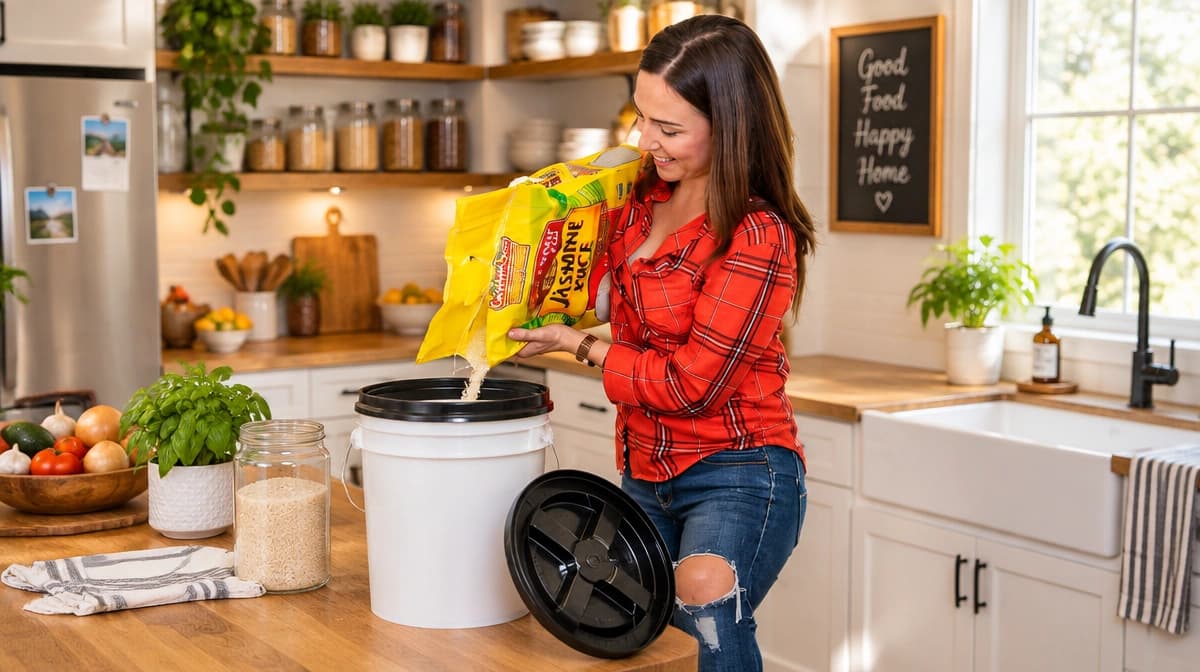
Airtight bucket lid
$Vittles Vault Gamma Seal Lid
Turns any standard 3.5 to 7 gallon food-grade bucket into an airtight, screw-top container for bulk rice, beans, and flour.
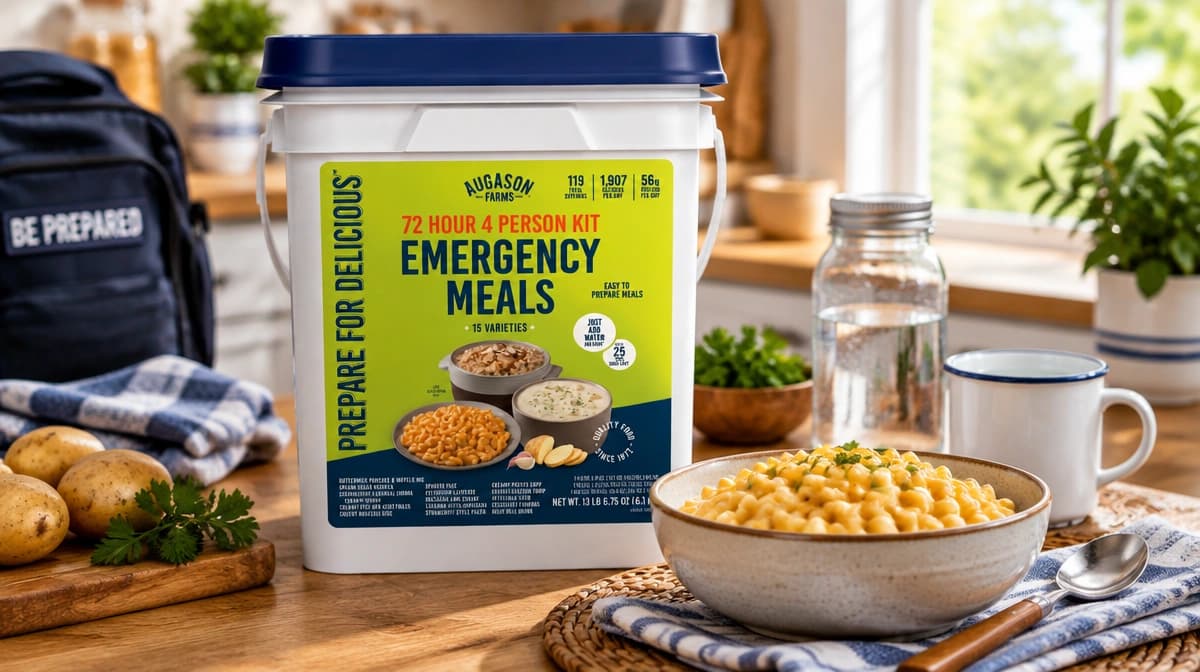
Freeze-dried meal kit
$$Augason Farms 4-Person 72-Hour Kit
Long shelf life with minimal prep: add water and eat. Covers a family of four for the critical first three days.
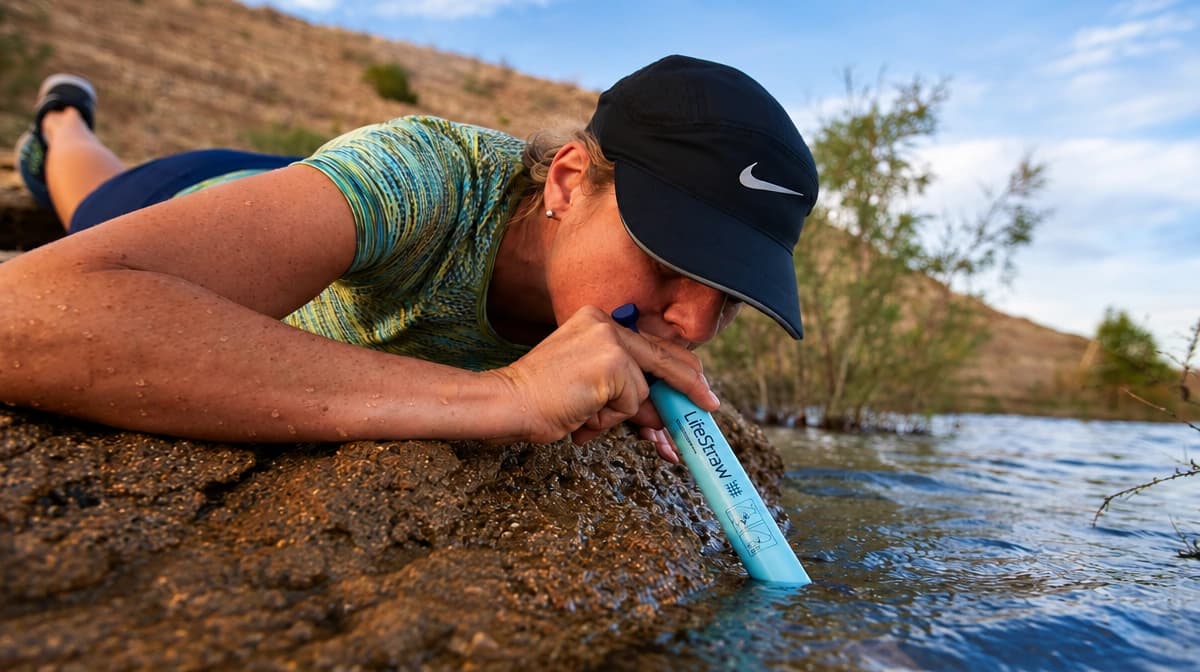
Personal straw filter
$LifeStraw Personal
Compact, single-user filtration for bug-out bags and day hikes. No moving parts, nothing to break.
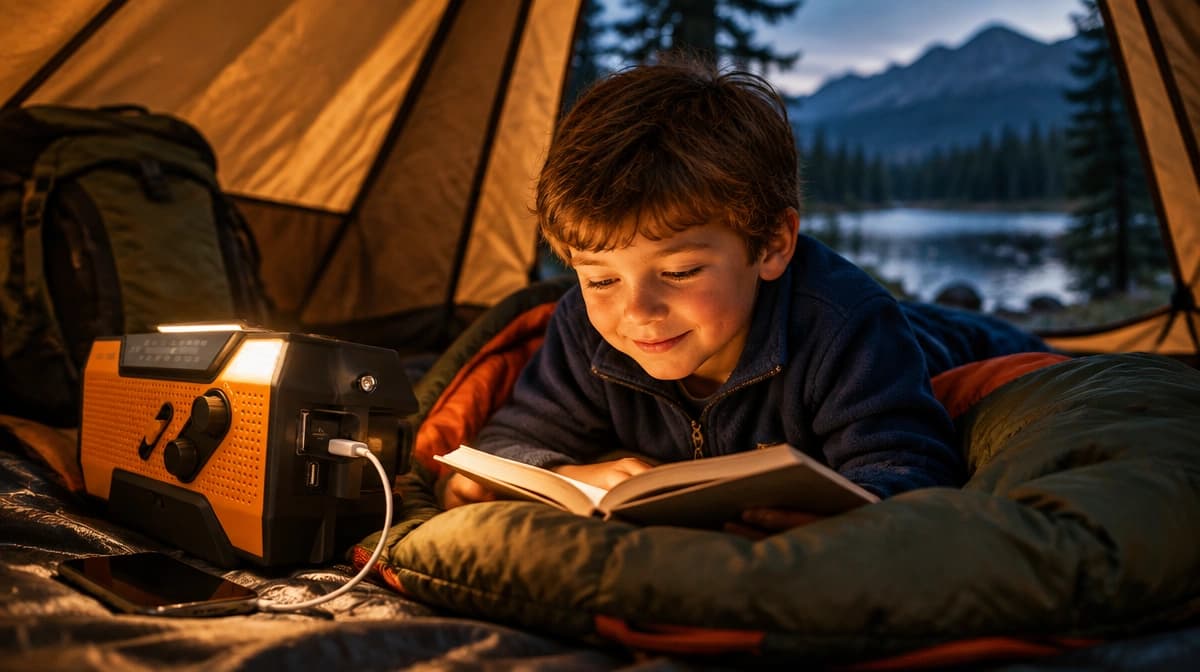
Budget emergency radio
$FosPower A1 (7400 mWh)
The affordable pick: NOAA band, solar and crank charging, and an SOS alarm at about half the price of the Midland.
Keep reading
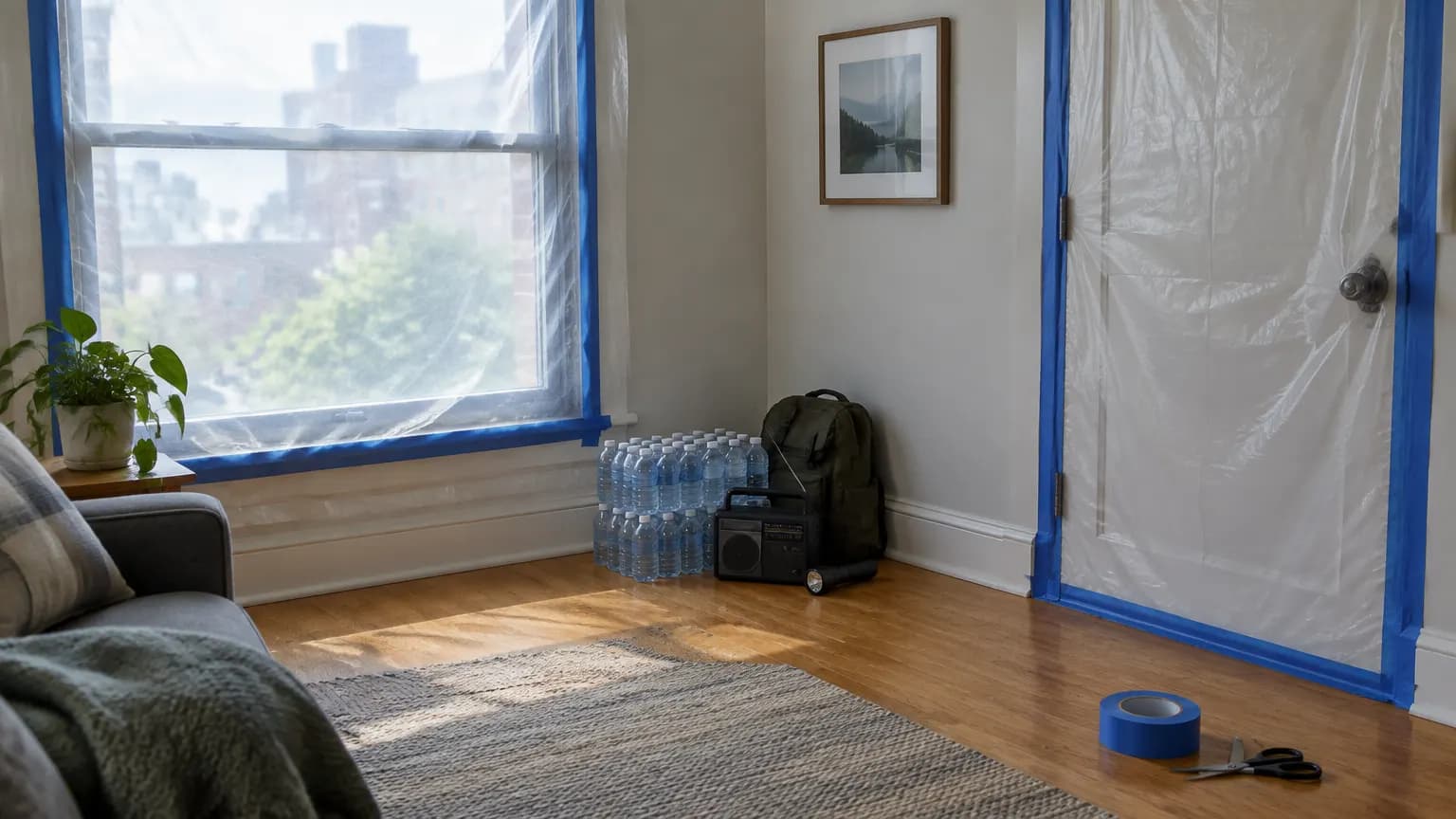
Shelter in Place: What It Means and How to Do It Properly
The phrase covers at least four different situations that call for four different responses. Doing the chemical-release version during a tornado would be exactly wrong.
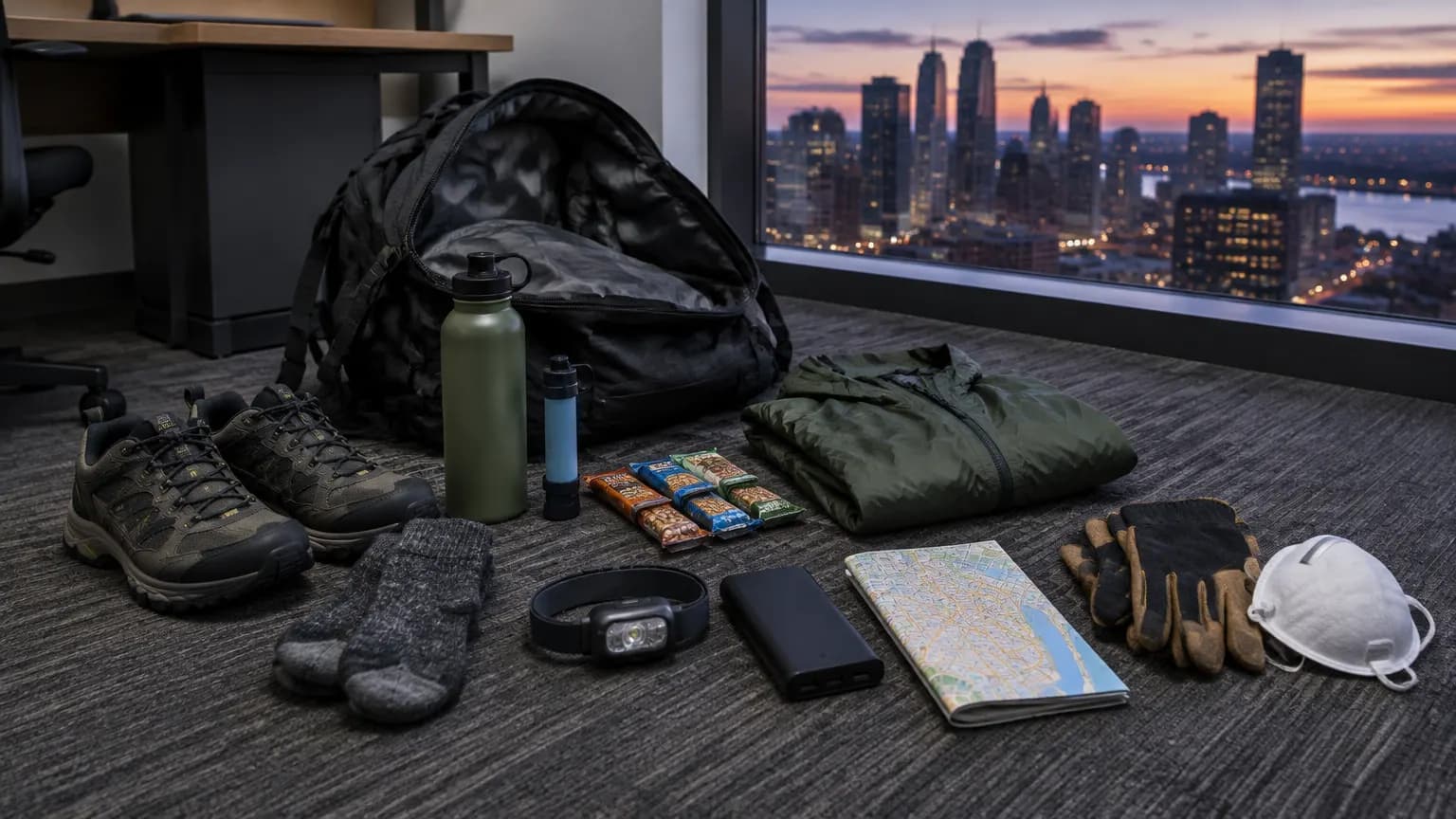
The Get-Home Bag: Making It Back When the Commute Fails
Most emergencies find you at work, not at home. A get-home bag is the small, unglamorous kit that turns an eight-mile walk in dress shoes into an ordinary bad evening.
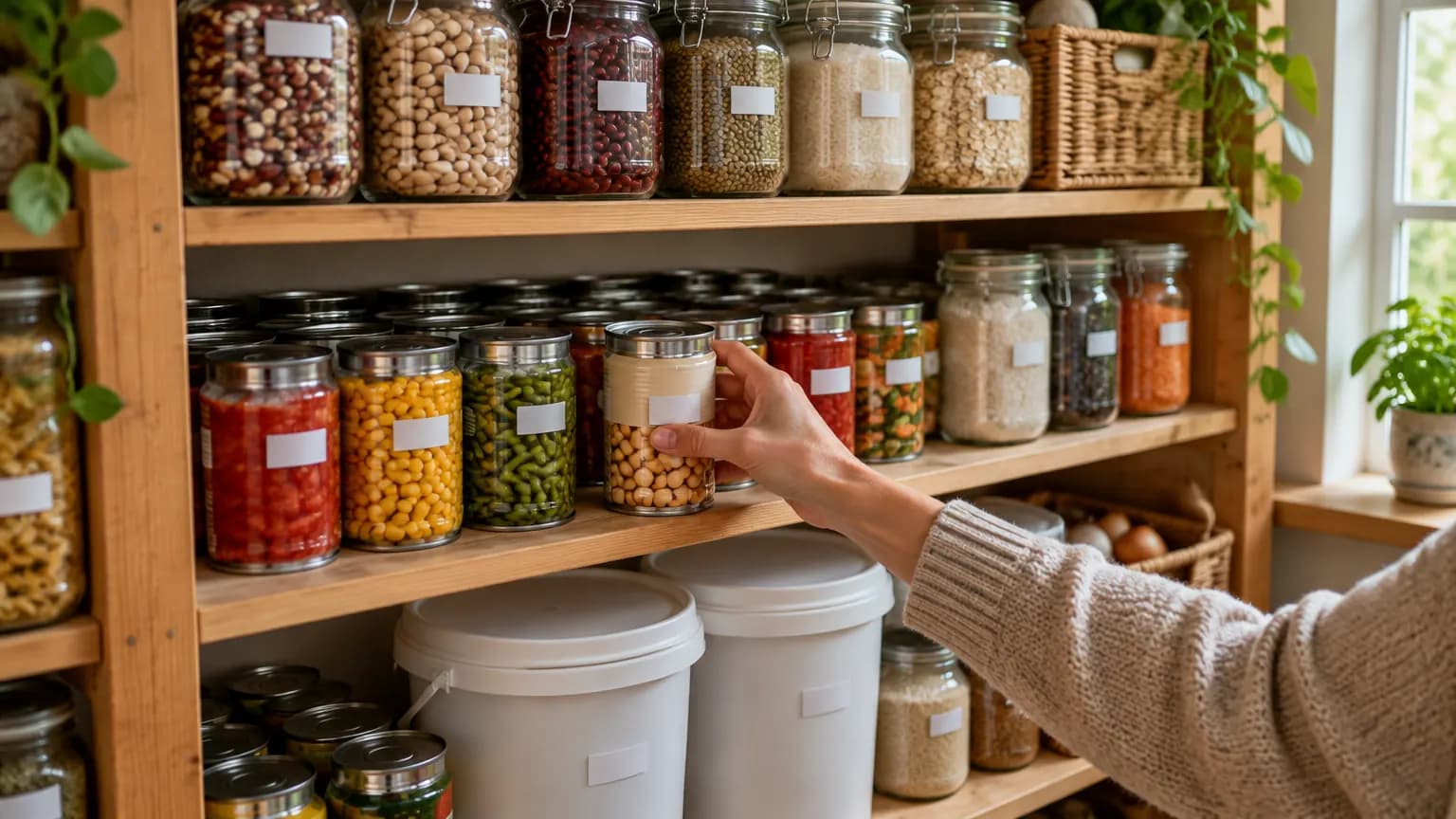
First In, First Out: A Sustainable System for Rotating Your Food Storage
A stockpile you are afraid to touch is a stockpile that expires. Here is how to run a pantry that feeds you every week and happens to hold a month of food, and what printed dates really mean.