 The Prep Nest
The Get-Home Bag: Making It Back When the Commute Fails
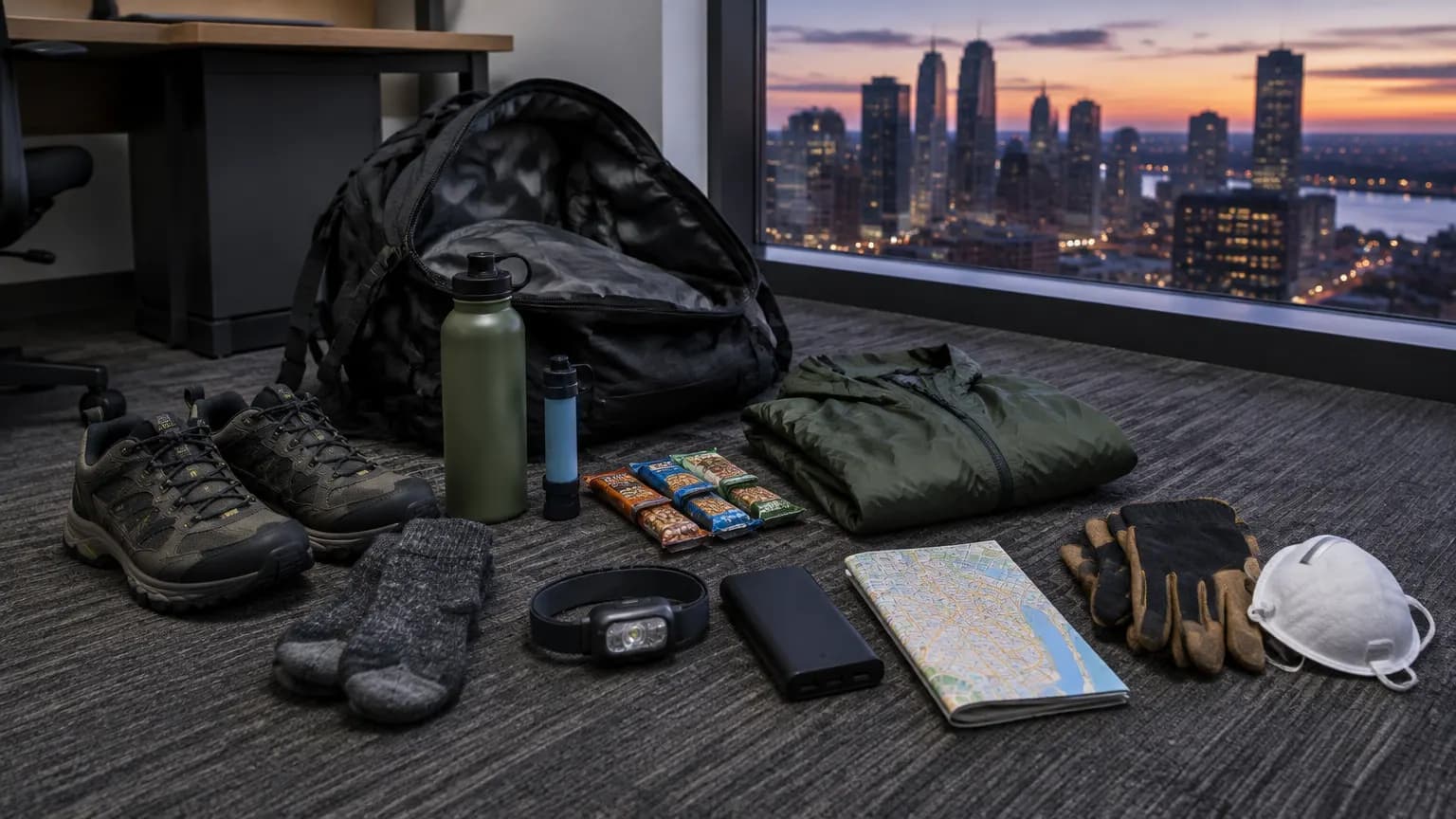
Preparedness writing assumes you are at home when something happens. Statistically you are not: you are at work, in a car, or somewhere across town, and the problem is not survival in any dramatic sense. It is distance. A get-home bag exists to close that distance on foot, and it is a genuinely different thing from a bug out bag, which is packed to leave home rather than to return to it.
This is not hypothetical. Both the September 11 attacks and the 2003 Northeast blackout produced the same scene in New York: hundreds of thousands of people walking home across bridges because the trains had stopped and the roads were gridlocked. Every large city has its own version, from a transit strike to a burst water main to a storm that shuts the subway. The common thread is that the walk was perfectly survivable and thoroughly miserable, mostly because nobody was dressed for it.
So start by working out your actual number. How far is it from your desk to your front door on foot, not by road? On flat pavement a fit adult walks about three miles an hour, and that drops considerably in crowds, in the dark, in bad weather, or with hills. Eight miles is a comfortable afternoon for some people and a genuine ordeal for others. Whatever your number is, that is the bag's design brief, and the answer for someone with a two-mile walk is legitimately very different from someone with twenty.
The single most important item is footwear, which is also the one people leave out because it is bulky and boring. Office shoes, heels, and steel-toed work boots are all poor at covering distance, and the failure mode is not drama, it is blisters at mile three that turn the remaining five into something much worse. A pair of broken-in trainers and thick socks at the bottom of the bag fixes the entire problem. Add a change of socks: dry feet are worth more than almost anything else in the bag.
Then water, in the same logic as every other kit here. Carry a bottle you actually drink from and refill, plus a squeeze or straw filter so a park fountain or any other source becomes usable. Food is just calories to keep moving: a couple of bars, nothing that needs preparing.
Clothing is about weather and visibility. A packable rain shell, because being wet is what turns a long walk into a cold one, and a warm layer if your winters justify it. Something reflective or bright matters more than people expect, since you may be walking along roads with no streetlights and drivers who are not expecting pedestrians. A headlamp for the same reason, and because a phone torch drains the battery you need.
The urban-specific items are worth calling out. Work gloves for climbing over or through debris and for handling broken glass. An N95 or similar dust mask, which is the lesson from every building collapse and large fire. A small first aid kit sized for blisters, cuts, and a sprain. Cash in small bills, because card terminals and cash machines fail early and often. And a paper map of your city with your route marked, since navigation apps depend on a network that may be saturated.
Keep the whole thing light. Ten to fifteen pounds is plenty, and the discipline that keeps it there is asking of every item whether it helps you walk. A multitool does. A camp stove does not. The bag is for a few hours of walking, not a night out, though an emergency bivvy weighs so little that it is a reasonable exception if your route is long or rural.
Two habits make the bag work. Walk your route once, on a weekend, in the shoes from the bag: you will discover that a bridge has no pedestrian access, or that the direct line crosses a motorway, and finding that out on a Sunday is much better than at nine in the evening. And agree with your household in advance that this is what you will do, so nobody is waiting by the phone wondering. That agreement belongs in your family emergency plan, alongside the out-of-area contact who will hear from both of you.
Finally, know when not to walk. If the hazard is outside, the right answer may be to stay where you are and shelter in place until conditions change. The bag does not commit you to walking. It just means that if walking turns out to be the sensible option, it is an inconvenience rather than an emergency.
Recommended gear for this guide
Picks from our Gear Guide that cover what this article talks about. Affiliate links; see our disclosure.
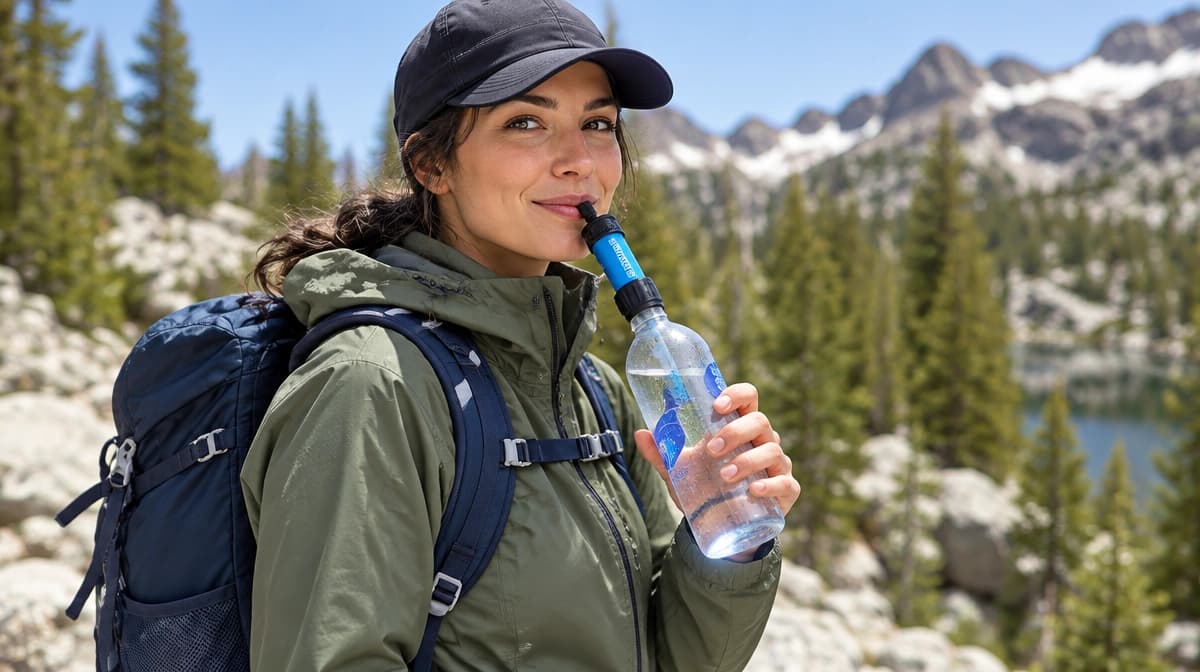
Inline squeeze filter
$Sawyer Mini SP128
Works as a straw, inline on a hydration bladder, or with the included squeeze pouch. Rated for 100,000 gallons.
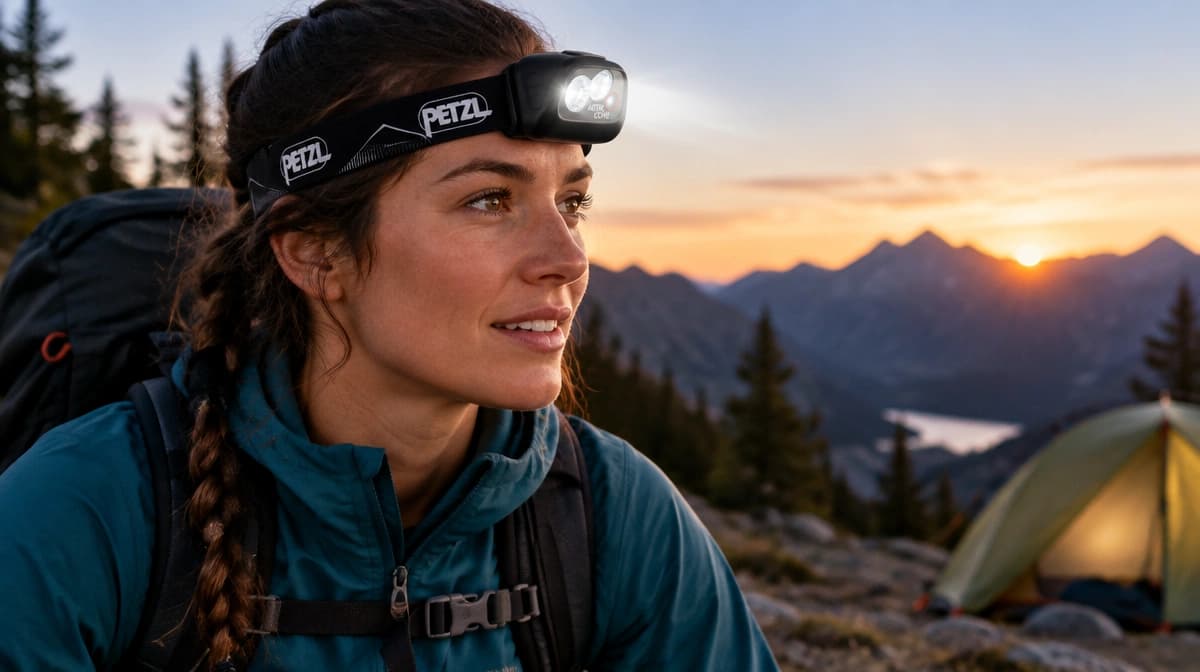
Rechargeable headlamp
$$Petzl Actik Core
Frees up your hands, which matters more than people expect during an actual outage. Runs on the rechargeable Core or three AAAs.
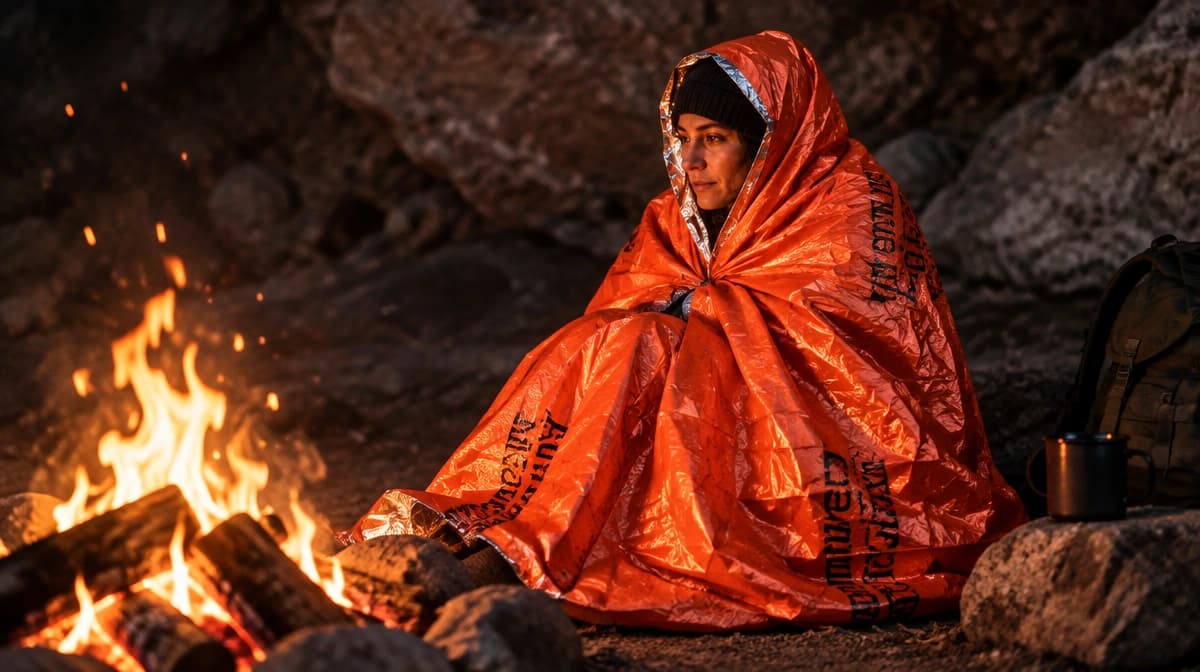
Emergency bivvy
$S.O.L. Emergency Bivvy
Packs down to the size of a fist and reflects 90 percent of body heat. Far more effective than a flat space blanket.
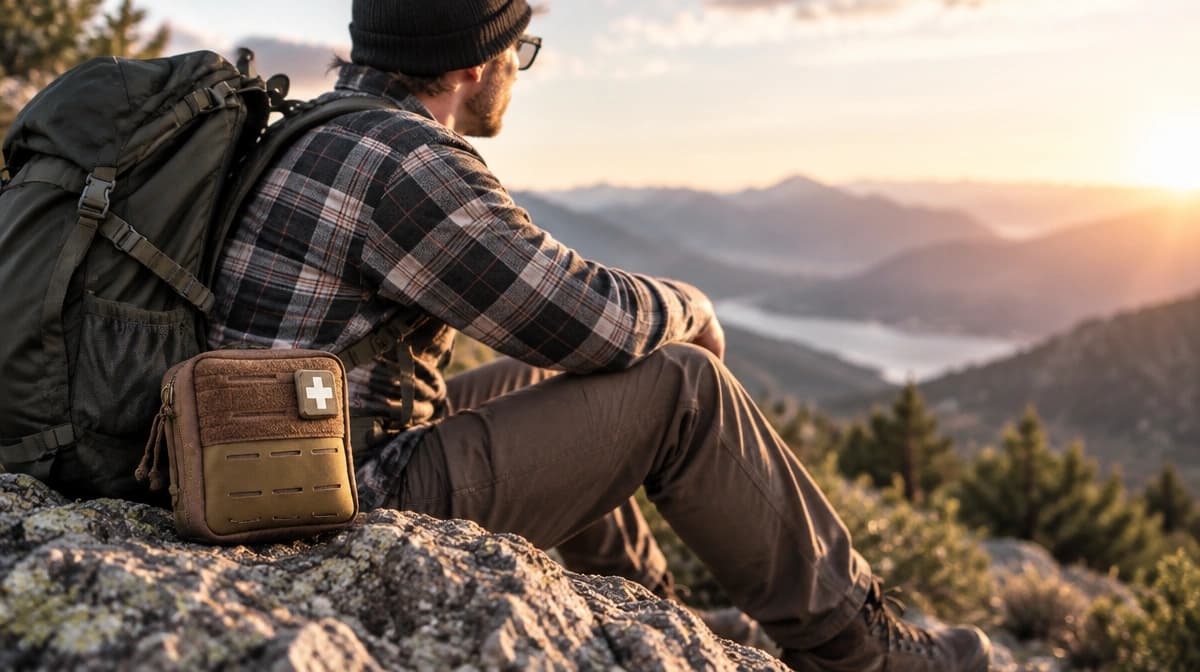
Everyday first aid kit
$$My Medic Everyday Carry Kit
Covers the common stuff (cuts, burns, sprains) in a kit small enough to live in a glovebox or daypack.
Keep reading
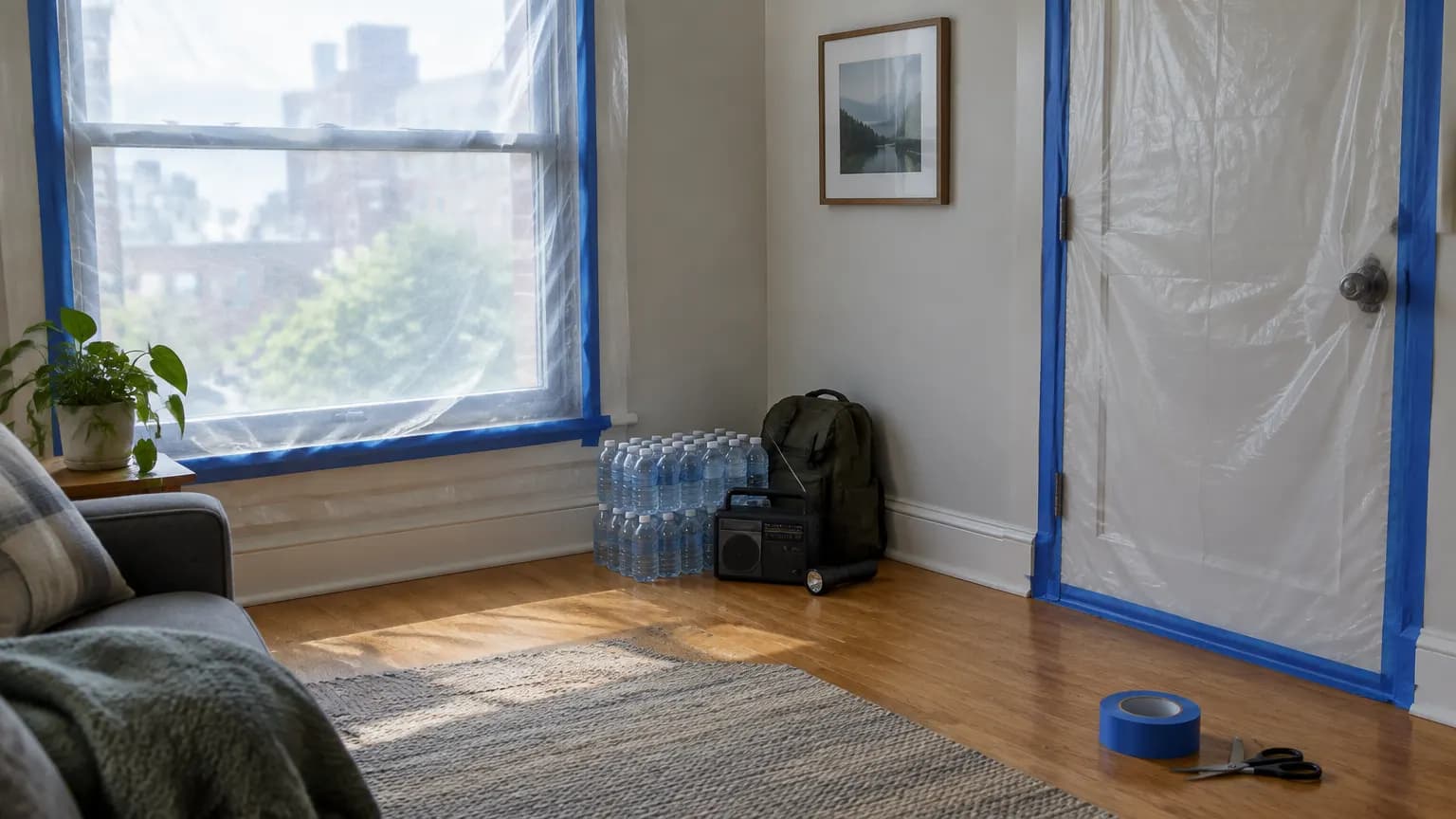
Shelter in Place: What It Means and How to Do It Properly
The phrase covers at least four different situations that call for four different responses. Doing the chemical-release version during a tornado would be exactly wrong.
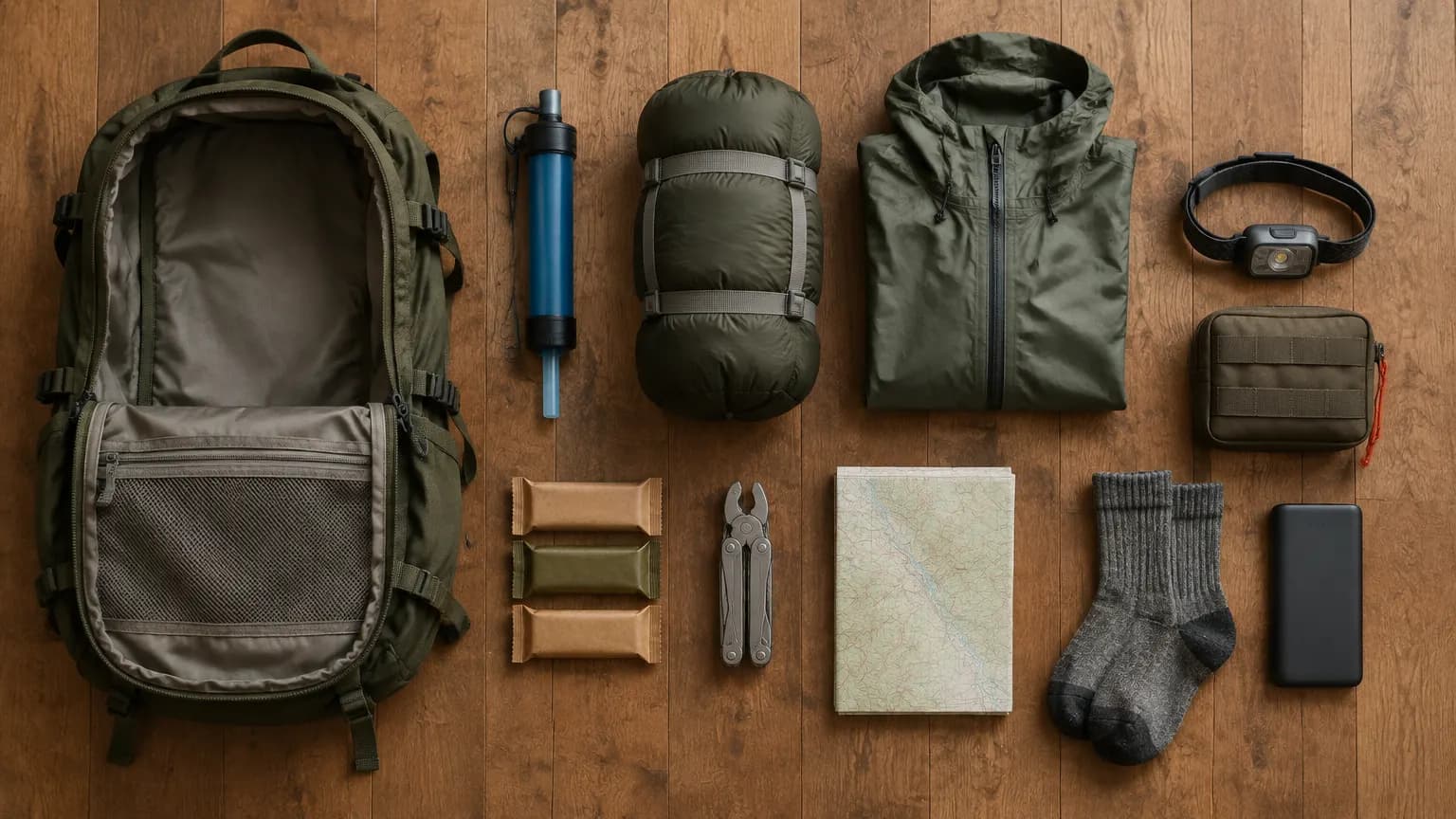
The Bug Out Bag You Would Actually Carry
Most bug out bags fail the same way: they are packed for every scenario and too heavy to walk anywhere with. Here is how to build one around a weight budget instead of a wish list.
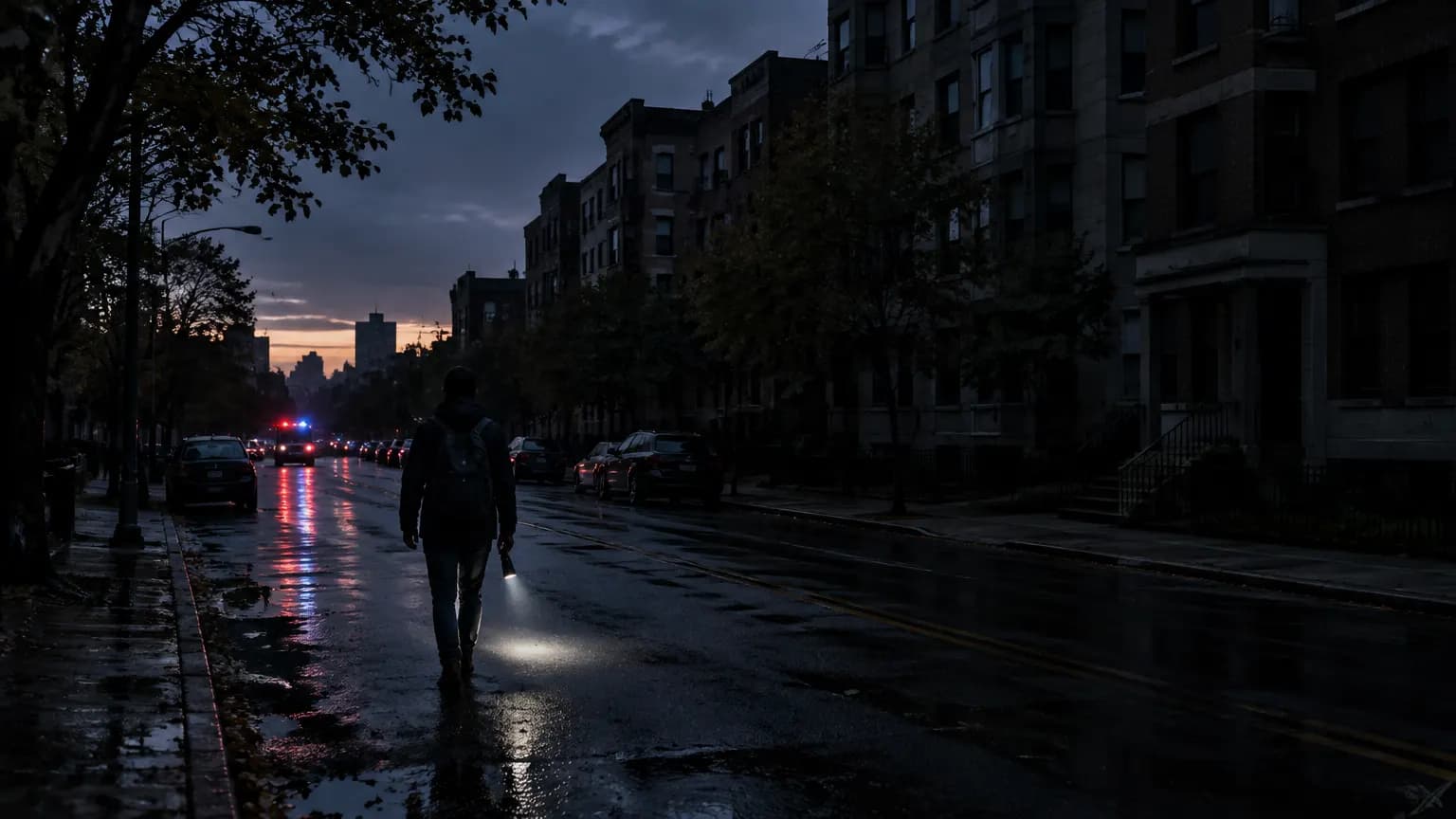
Urban Survival: Navigating Disasters in the City
Most of us don't live in the wilderness. Cities bring their own hurdles in a disaster, from crowds and infrastructure failures to finding water. Here's how to prepare for them.