 The Prep Nest
Can You Reuse Canning Lids? The Answer Is Different for Each Part
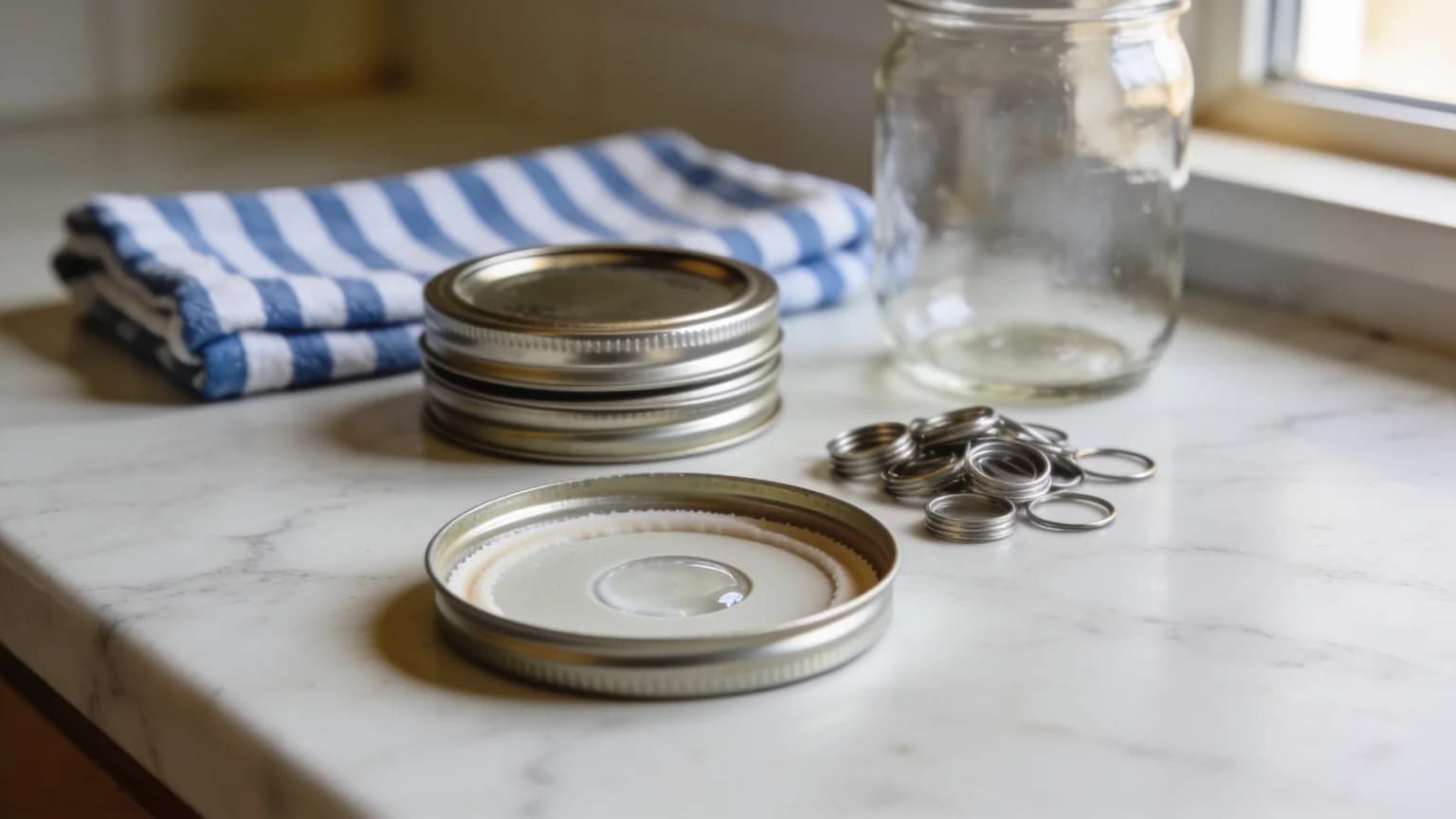
Short answer: no for the flat lid, yes for the screw band, and yes for the jar. A two-piece canning lid is two separate components with two completely different answers, which is most of the reason the question gets asked so often.
The National Center for Home Food Preservation, which publishes the USDA-derived procedures, puts the flat lid plainly: “Lids should not be used a second time since the sealing compound becomes indented by the first use, preventing another airtight seal.” The same page is equally plain the other way about the rest: “With careful use and handling, Mason jars may be reused many times, requiring only new lids each time.”
The three parts, and which you can reuse
| Part | Reusable? | Guidance |
|---|---|---|
| Flat lid, the disc with the gasket | No | Single use. The compound deforms to your jar rim once |
| Screw band, the ring | Yes, many times | Remove, wash, dry and store dry |
| The jar itself | Yes, many times | Inspect the rim for chips and cracks each time |
Everything below is the detail behind those three rows, including the one clock almost nobody mentions: unused lids expire too.
Why the flat lid is single use
The sealing compound is a soft ring moulded into the underside of the lid. During processing it softens, and as the jar cools it is pressed into the exact profile of your jar rim and sets there, which is what makes the seal airtight.
That deformation is permanent and it is specific to that jar. Put the lid on a second jar, or even back on the same one, and the compound no longer has a fresh surface to form against. It may well appear to seal. The failure mode is not that it refuses to seal, it is that it seals weakly and fails later, on a shelf, with the jar looking perfectly normal.
Two follow-ups that come up constantly:
Does boiling them first help? No. Heat softens the compound, it does not restore the indentation. Modern lids do not need pre-boiling in the first place; current guidance is to wash them and follow the manufacturer's instructions, and many makers now say not to boil them at all.
How many times can you reuse one? Zero, for canning. There is no number here, which is what makes this different from most kitchen advice. The lid is the cheapest component in the entire process and the only one standing between you and a spoiled jar.
Screw bands are a different story
The band does no sealing. Its whole job is to hold the flat lid in place while the jar is processed and while it cools and seals. Once the seal has formed, the band is doing nothing at all.
The NCHFP guidance is that “when removed, washed, dried, and stored in a dry area, screw bands may be used many times.” The words that matter are removed and dry. A band left on a jar in storage traps moisture against the lid and the rim, and it rusts, which is how people end up with a bowl of bands they have to throw away.
There is a second reason to take the band off before a jar goes on the shelf, and it is the better one. A seal that fails later is obvious on a bare jar and hidden under a band. The lid lifts, or the jar leaks, and you see it. With a band screwed down, a failed jar can sit there looking exactly like a good one.
Jars: reusable many times, with one check
Mason jars are designed to be reused indefinitely. The check that matters is the rim: run a finger round it every time and discard any jar with a chip, a crack or a rough patch, because the seal forms against that surface and a nick in it is a jar that will not hold.
Commercial jars are the common follow-up question, and here the guidance is more specific than most people expect. The NCHFP says that “most commercial pint- and quart-size mayonnaise or salad dressing jars may be used with new two-piece lids for canning acid foods”, but warns they have limitations and “are not recommended for use with foods to be processed in a pressure canner because of excessive jar breakage.”
| Jar | Water bath, acid foods | Pressure canner |
|---|---|---|
| Mason or Ball jar | Yes | Yes |
| Commercial mayonnaise or dressing jar, pint or quart | Generally yes, with new two-piece lids | Not recommended |
| Jam, pasta sauce or pickle jar with a one-piece lid | No, the lid is not replaceable with a two-piece | No |
The practical reading: a shop jar whose thread takes a standard two-piece lid can be used for jam and pickles, and a shop jar with its own one-piece lid is a storage jar, not a canning jar.
Unused lids expire, and this is the part nobody mentions
Here is the fact that is missing from almost every page written on this question. An unused lid has a shelf life. The NCHFP's guidance states that “gaskets in unused lids work well for at least 5 years from date of manufacture” and that “the gasket compound in older unused lids may fail to seal on jars.” It also advises buying only the quantity of lids you will use in a year.
That matters because lids are cheap, they are sold in boxes, and the natural preparedness instinct is to buy a lot of them and put them away. A decade-old box found at the back of a cupboard is not a reliable box, and the failure will not be visible until a jar on your shelf goes off.
The same guidance says not to use old, dented or deformed lids, or lids with any gap or defect in the gasket. So the rule for a stockpile is: buy to a year or two of use, rotate the boxes like anything else in the pantry, and write the purchase date on the box, because the manufacture date is rarely printed anywhere you can read it.
What to do with the lids you cannot reuse
A used flat lid is not useless, it is simply not a canning lid any more. Clean, unbent used lids are fine for any job that does not depend on a vacuum seal:
| Use | Why it works |
|---|---|
| Freezer jam | Nothing is processed; the freezer does the preserving |
| Refrigerator pickles | Same. The fridge is doing the work, not the seal |
| Dry goods: rice, beans, pasta, spices | A lid that keeps dust out is all you need |
| Storing leftovers in a jar | The band holds it on; no seal required |
| Decanting anything from a bag | A jar with any lid beats a clipped bag |
What a used lid must never do is close a jar of food that is meant to sit on a shelf at room temperature. That is the one job it can no longer do, and the whole of this page is about that distinction.
Reusable lid systems
There is a separate product category of lids designed to be reused: a rigid plastic or glass disc with a separate rubber gasket, sold under names such as Tattler, Harvest Guard and the rubber-ring system used on Weck jars. They exist precisely because the standard flat lid is single use.
They are not drop-in replacements. Each system has its own instructions, and the handling during processing and cooling differs from a standard two-piece lid, so the manufacturer's directions replace the ones you are used to rather than supplementing them. We have not tested any of these systems, and nothing here is a recommendation of one. If you are buying them to avoid an annual lid cost, read their instructions before the jars are full rather than after.
The thing worth keeping in proportion
A flat lid costs a few cents. What it is protecting is a jar of food you spent an afternoon preparing, shelf space, and in the case of anything low-acid the botulism risk that the entire procedure exists to manage.
That is the whole calculation, and it is why this is one of the few places in home preserving where the answer really is an unqualified no. Reuse the jar, reuse the band, replace the lid.
What we could not verify
We do not physically test the products linked on this page; the picks come from manufacturer specifications and retailer data.
Every quoted statement above about lids, bands, jars, commercial jars and the five-year gasket life is from the National Center for Home Food Preservation's page on recommended jars and lids at the University of Georgia, checked on 4 October 2026.
What we could not establish: the current pre-boiling instructions differ between lid manufacturers and have changed over the years, so follow the instruction on the box you actually bought rather than this page or an older recipe. We have not tested reusable lid systems and have not verified their manufacturers' claims. The suggested uses for spent lids are ordinary kitchen practice rather than guidance from a named source. And the five-year figure is a minimum (“at least 5 years”) rather than an expiry date, with no stated point at which a lid becomes unusable; treat it as a reason to rotate stock rather than as a deadline.
Recommended gear for this guide
Picks from our Gear Guide that cover what this article talks about. Affiliate links; see our disclosure.
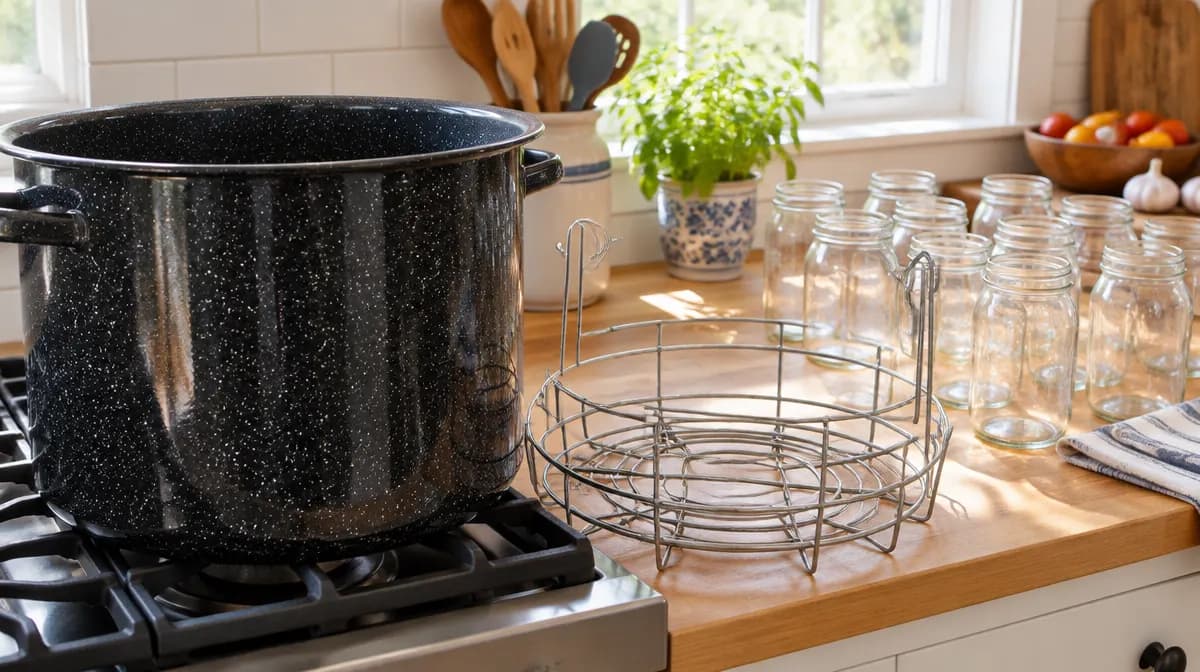
Water bath canner
$$Granite Ware Canning Pot with Rack, 8-piece set
For high-acid foods: jams, pickles, fruit, and acidified tomatoes. The rack matters more than it looks, since jars must not sit on the pot floor.
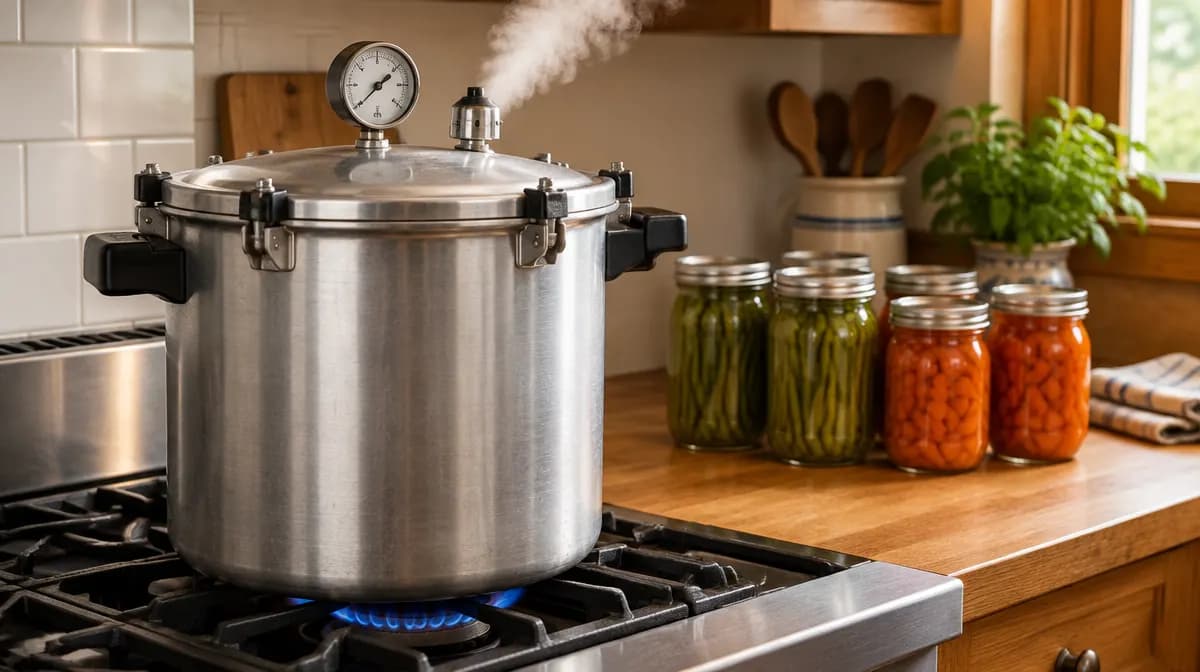
Pressure canner
$$$Presto 01781 23-Quart
Required, not optional, for low-acid foods such as vegetables, beans, and meat. Reaches the temperature that boiling water cannot.
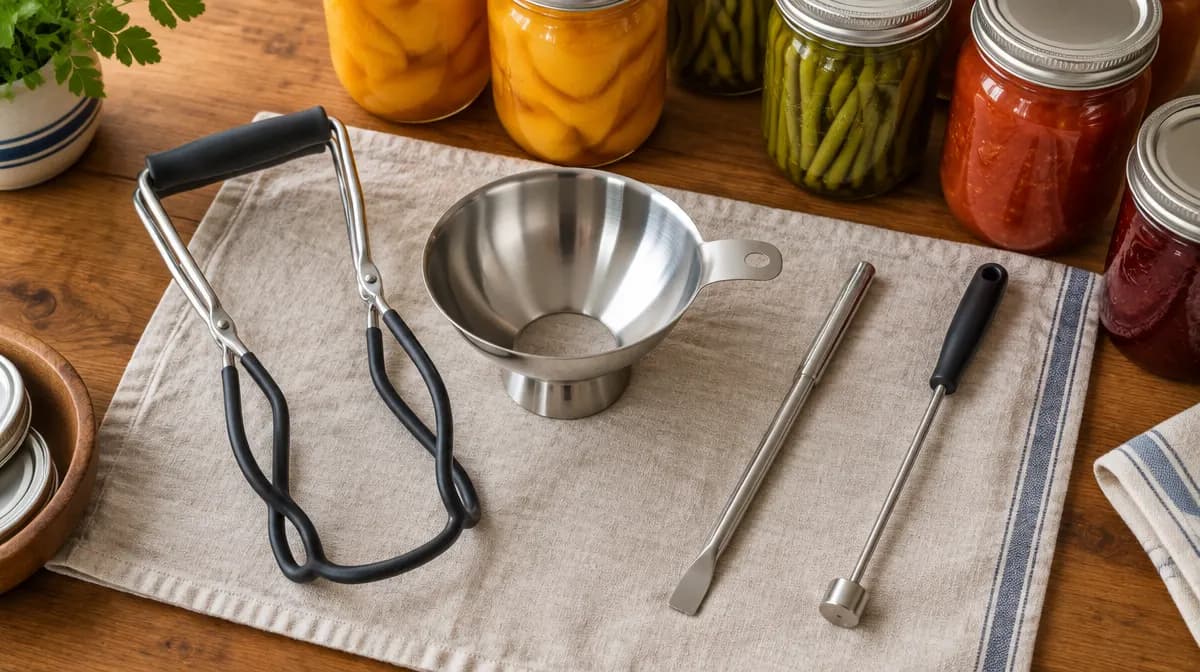
Canning tool set
$Canning Supplies Starter Kit
Jar lifter, funnel, bubble remover, and magnetic lid lifter. Cheap, and the jar lifter in particular is not something to improvise around boiling water.
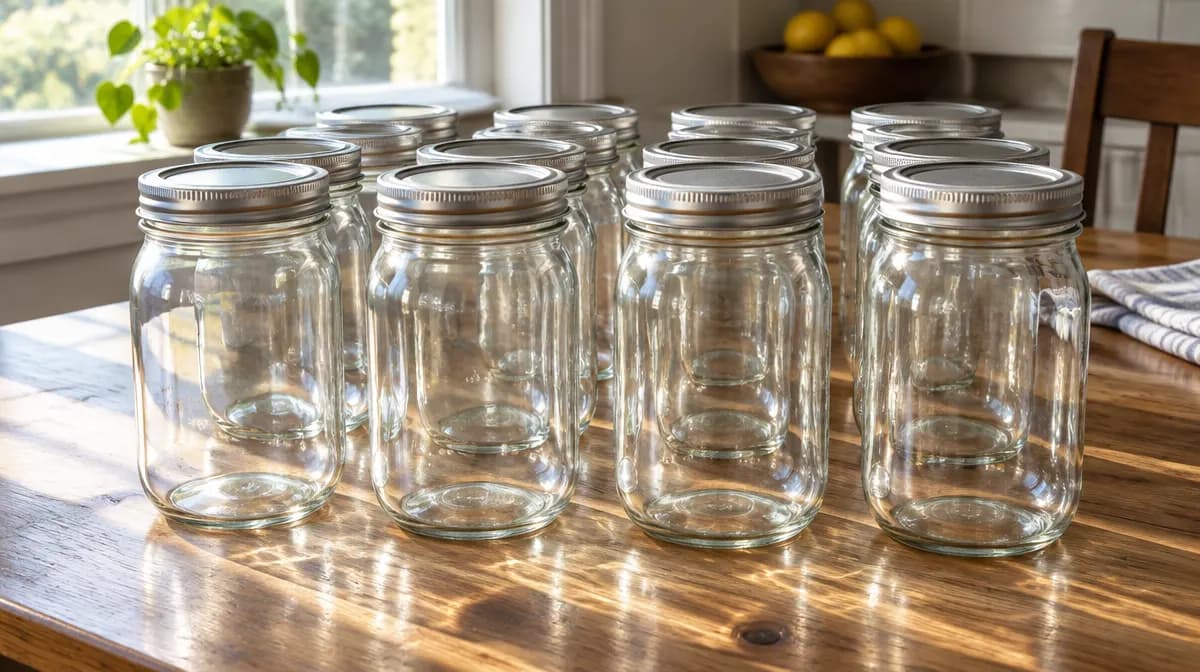
Canning jars
$$Ball Regular Mouth Quart Jars, 12-pack (reseller bundle with a jar opener)
Jars and bands last for years. The flat lids are single use every time, so buy those separately and often. Note that this is a reseller listing that bundles the jars with a third-party jar opener, so the price moves and it goes out of stock more often than Ball's own pack.
Keep reading
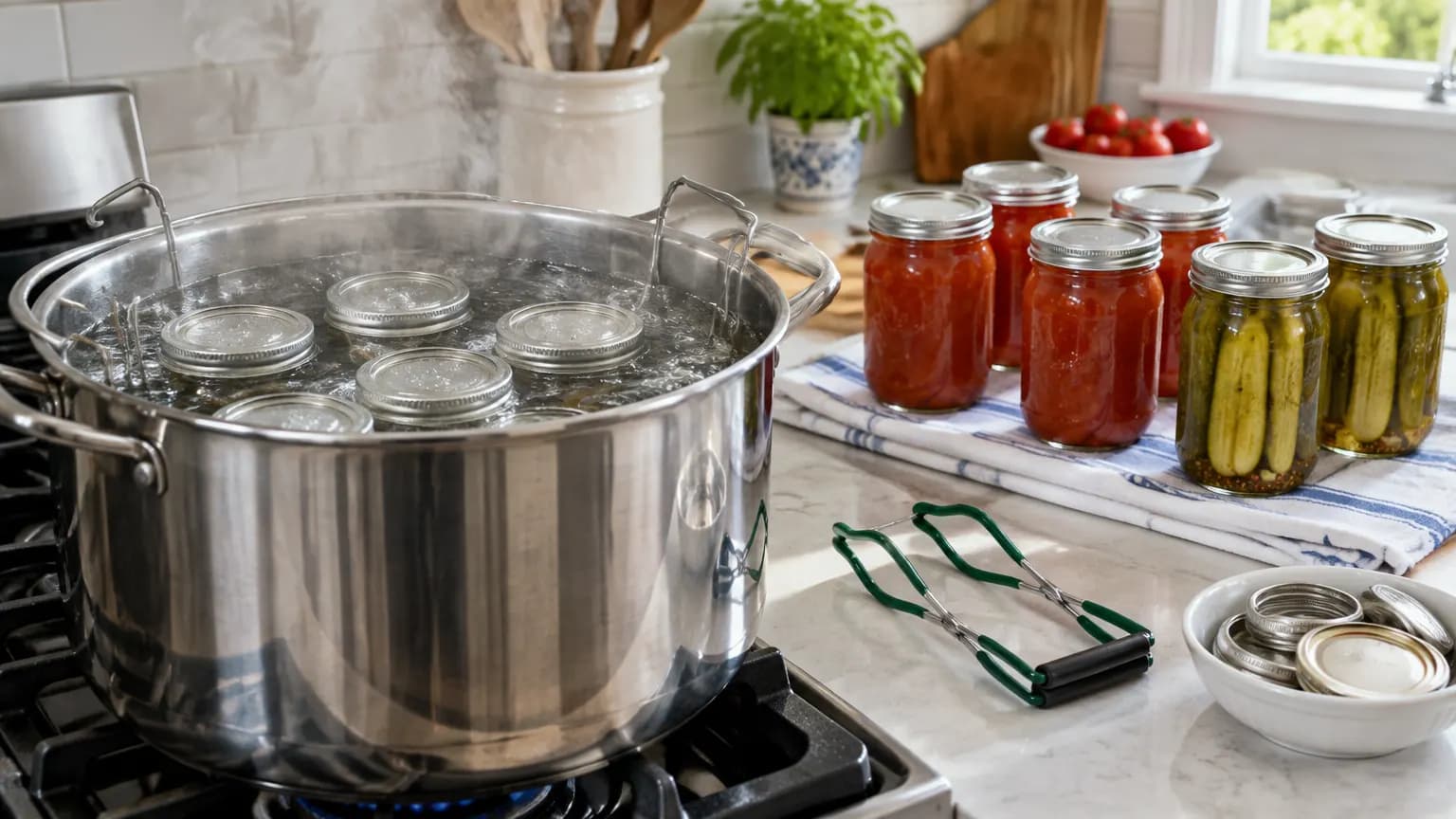
Water Bath Canning: What It Can Preserve, and What It Must Never Touch
Water bath canning is the cheapest way to fill a shelf with food that keeps for years. It is also the method with one rule you cannot bend, and the reason is botulism. Jams, jellies, peaches and the acid boundary, with the tested sources named.
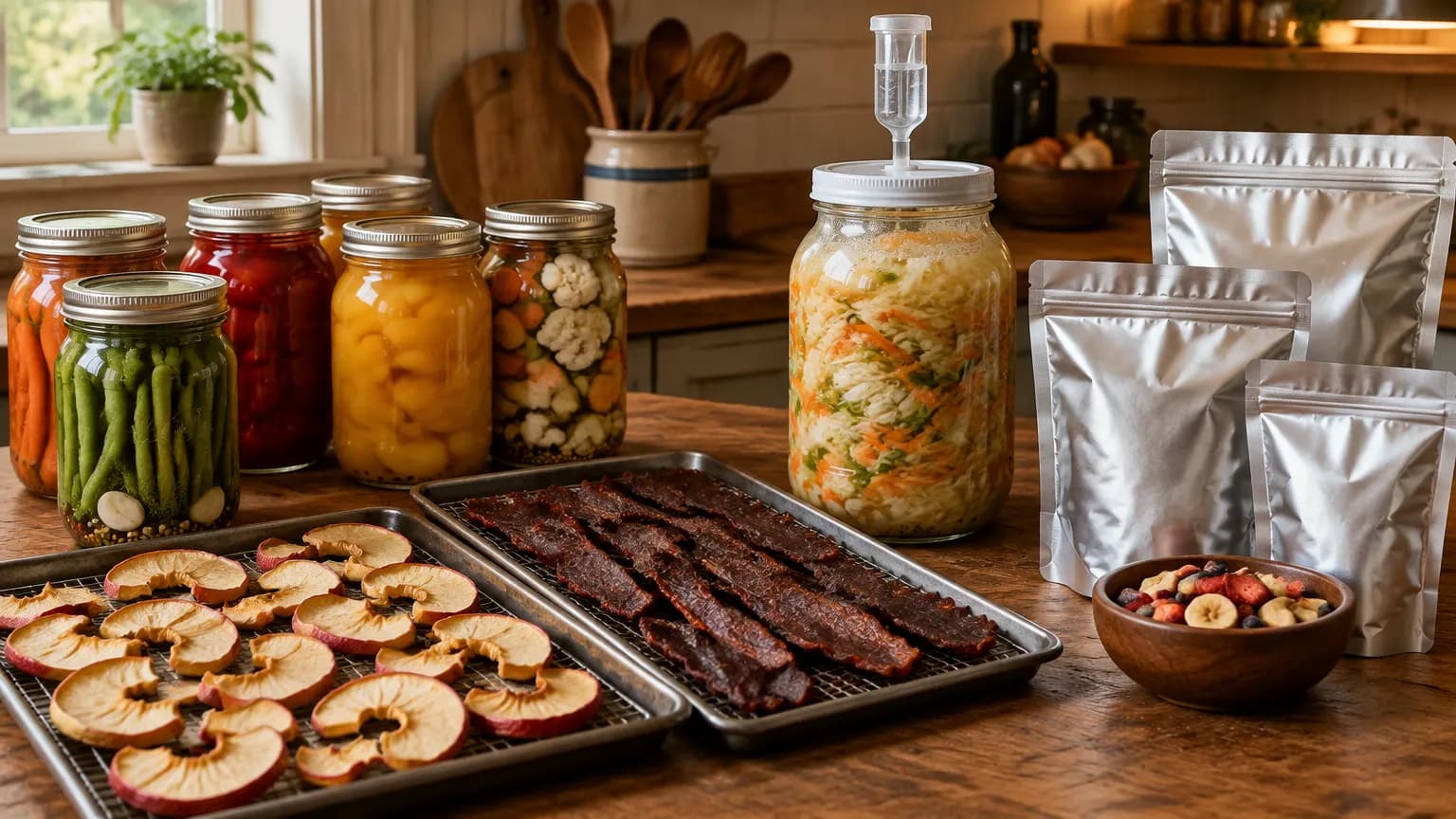
Food Preservation Compared: Canning, Dehydrating, Freeze Drying, Fermenting
Five ways to make food last, with honest shelf lives, real equipment costs, and the one method that fails precisely when you need it most.
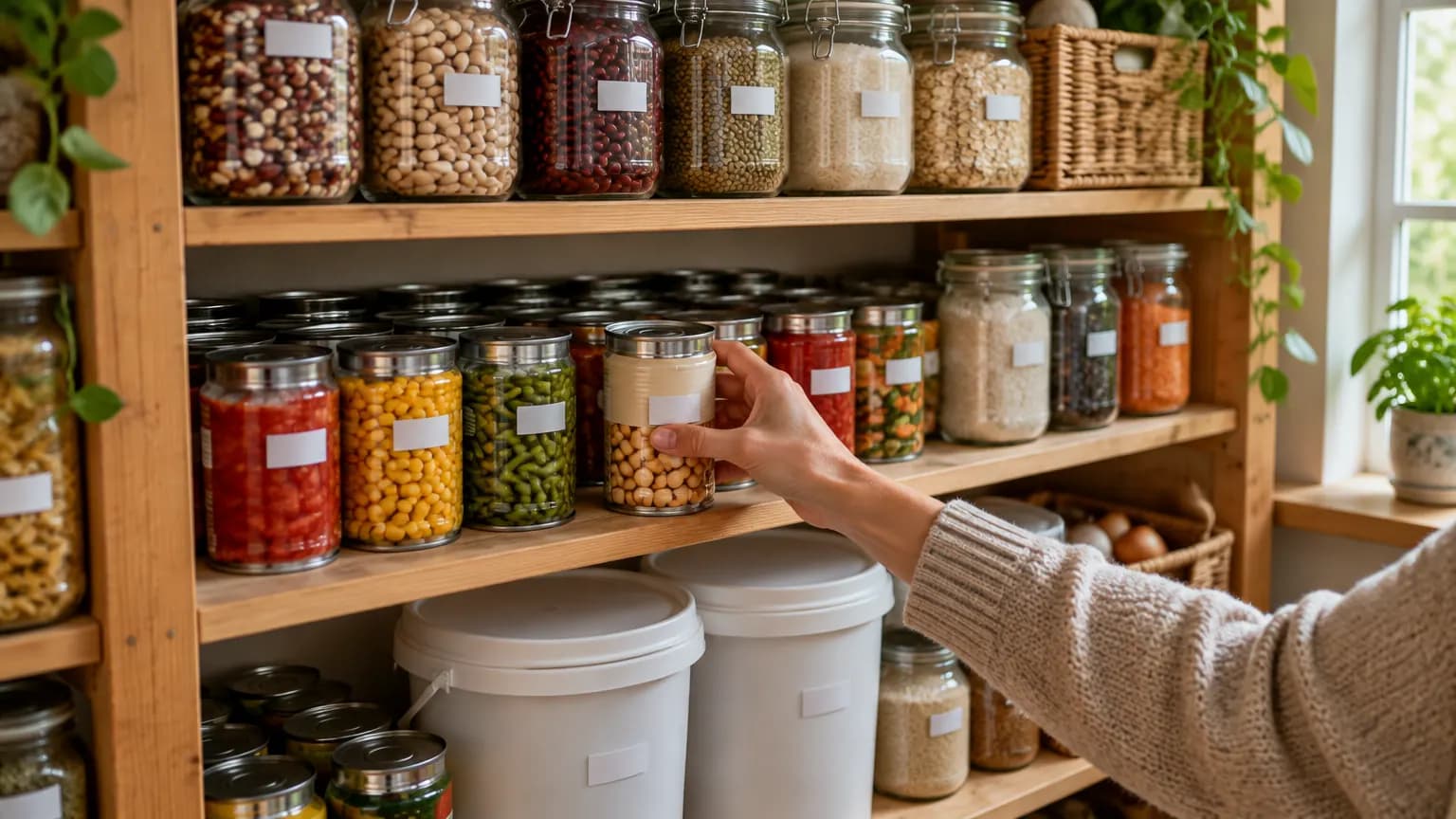
First In, First Out: A Sustainable System for Rotating Your Food Storage
A stockpile you are afraid to touch is a stockpile that expires. Here is how to run a pantry that feeds you every week and happens to hold a month of food, and what printed dates really mean.