 The Prep Nest
First In, First Out: A Sustainable System for Rotating Your Food Storage
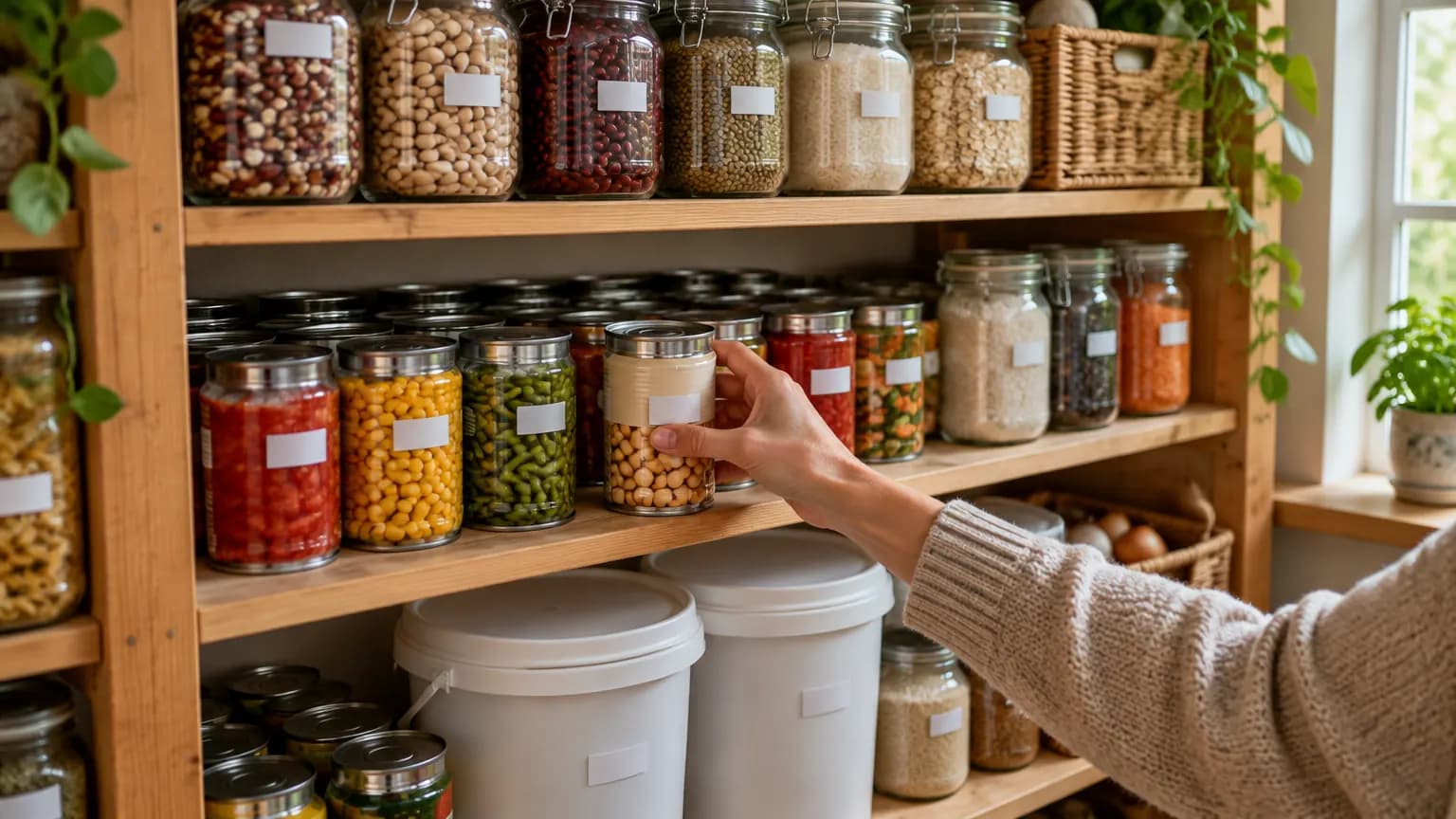
There are two ways to hold emergency food. One is a sealed store you never touch, which quietly expires until the day you need it. The other is an ordinary pantry, deepened, that you eat from constantly and refill as you go. The second is more food, fresher, for less money, and it is the only version that survives contact with real life.
First in, first out
The system is the one grocery stores use. New purchases go to the back; older stock moves to the front and gets used first. That is the whole method, and its value is that it requires no inventory, no spreadsheet and no memory. Reaching for the nearest tin is the correct behaviour.
The payoff is that the emergency store stops being a separate, static thing. It becomes how you shop, which means you already know how to cook what is in it, and the stock is as fresh as your groceries.
What printed dates actually mean
This is the part that costs people the most food and money. According to the USDA's Food Safety and Inspection Service, except for infant formula, product dates are not an indicator of safety and are not required by federal law. They are the manufacturer's estimate of when the product is at its best quality.
| Label | What it means |
|---|---|
| Best if used by | Quality, not safety |
| Sell by | A stock instruction for the shop |
| Use by | Quality, except on infant formula, where it is safety |
| Closed or coded dates | Manufacturing codes, not for consumers |
The practical consequence is that a tin of beans a few months past its date is a quality question, not a bin decision. Evaluate the product itself: a can that is bulging, leaking, badly dented along a seam or rusted through should be discarded regardless of what the date says, and that rule matters far more than the number printed on it. Infant formula is the one exception where the date is a hard limit.
Organise so gaps are visible
Sort by category rather than by brand: grains together, canned proteins together, fats together, and so on. The point is not tidiness. It is that a category organised this way shows its own gaps at a glance, and you will notice that you are down to one bag of rice without having to count anything.
Label with the purchase date rather than the printed date, in marker, large enough to read from the front of the shelf. Purchase date is what tells you how long something has been in rotation, which is the number the system actually runs on.
A cadence that survives a busy month
| When | What you do |
|---|---|
| Every shop | New stock to the back, nothing else |
| Monthly, 5 minutes | Glance for gaps, note what is low |
| Quarterly, 30 minutes | Full walk-through, pull anything to use up soon |
| Twice a year | Check with the rest of your preparedness reminders |
The quarterly pass is the one that matters, and the trick is that it should generate a meal plan rather than a shopping list. Whatever is oldest becomes this week's dinners.
Where rotation stops and preservation starts
Rotation keeps a few months of food fresh. Beyond that you are into storage methods rather than shopping habits, and the question becomes which preservation method suits each food. Dry staples in mylar with oxygen absorbers hold for years; home canning converts a glut into shelf-stable jars, on jars and bands you reuse and lids you do not; freeze-dried kits cover the decade horizon but need boiling water, which is a real constraint in an emergency.
The sensible structure is layered: a deep working pantry you rotate weekly, a preserved layer you rebuild annually, and a long-horizon layer you touch once. The 72-hour kit sits outside all three, because it has to be portable.
What we could not verify
We do not physically test the products linked on this page. The guidance on product dating is from the USDA FSIS, checked on 3 October 2026. Specific shelf lives are not given here on purpose: they vary enormously with the food, the packaging and above all the storage temperature, and the figures circulating in prepping content rarely cite a source. Use the manufacturer's date as a quality guide, inspect the product itself, and when a can shows any sign of damage or swelling, discard it rather than judging by date.
Recommended gear for this guide
Picks from our Gear Guide that cover what this article talks about. Affiliate links; see our disclosure.
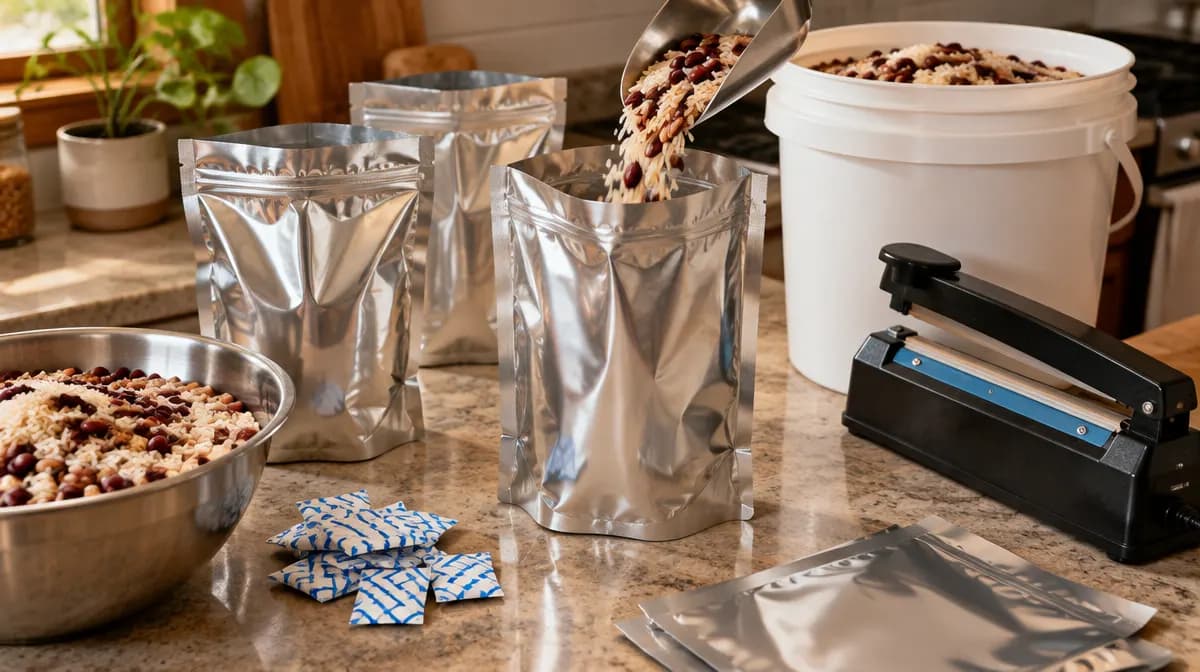
Mylar bags and oxygen absorbers
$$120 Mylar Bags with 150 Oxygen Absorbers
Takes dried food and bulk staples from months of shelf life to years. Use with a bucket for pest protection, and seal absorbers in immediately.
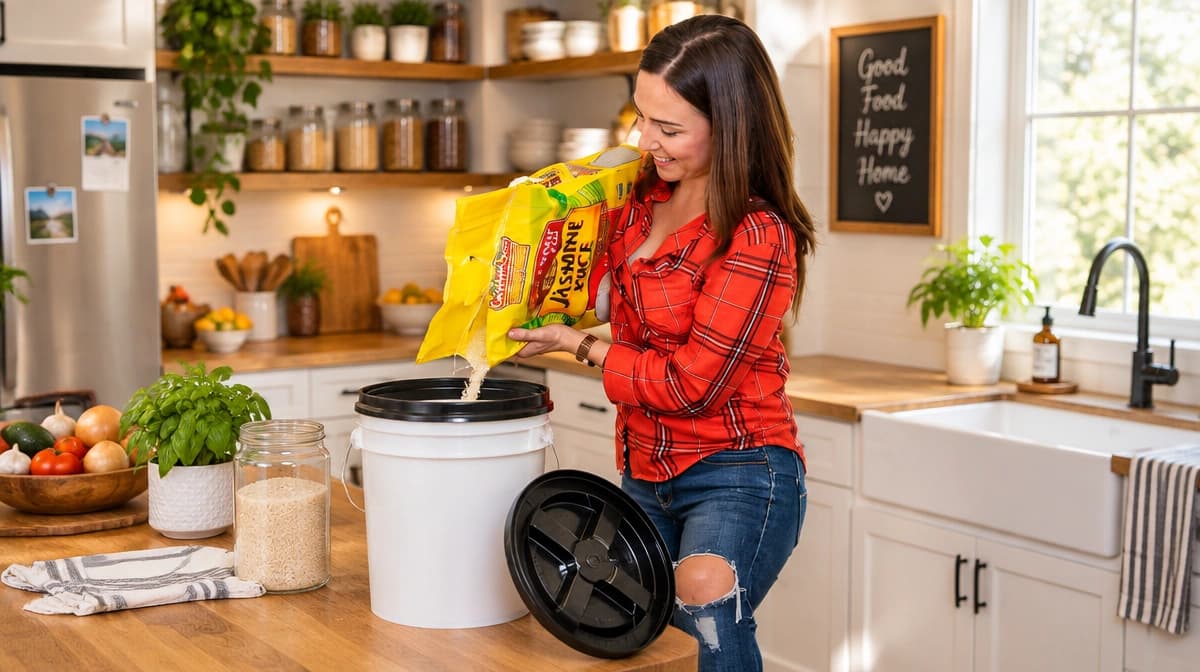
Airtight bucket lid
$Vittles Vault Gamma Seal Lid
Turns any standard 3.5 to 7 gallon food-grade bucket into an airtight, screw-top container for bulk rice, beans, and flour.
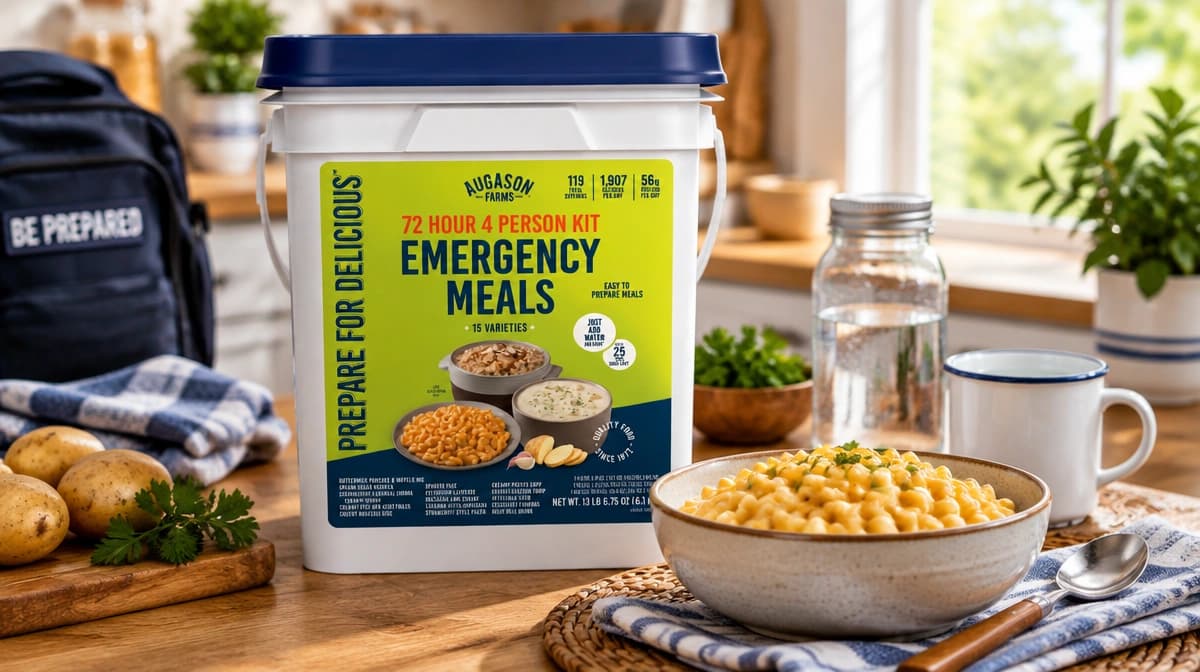
Freeze-dried meal kit
$$Augason Farms 4-Person 72-Hour Kit
Long shelf life with minimal prep: add water and eat. Covers a family of four for the critical first three days.
Keep reading
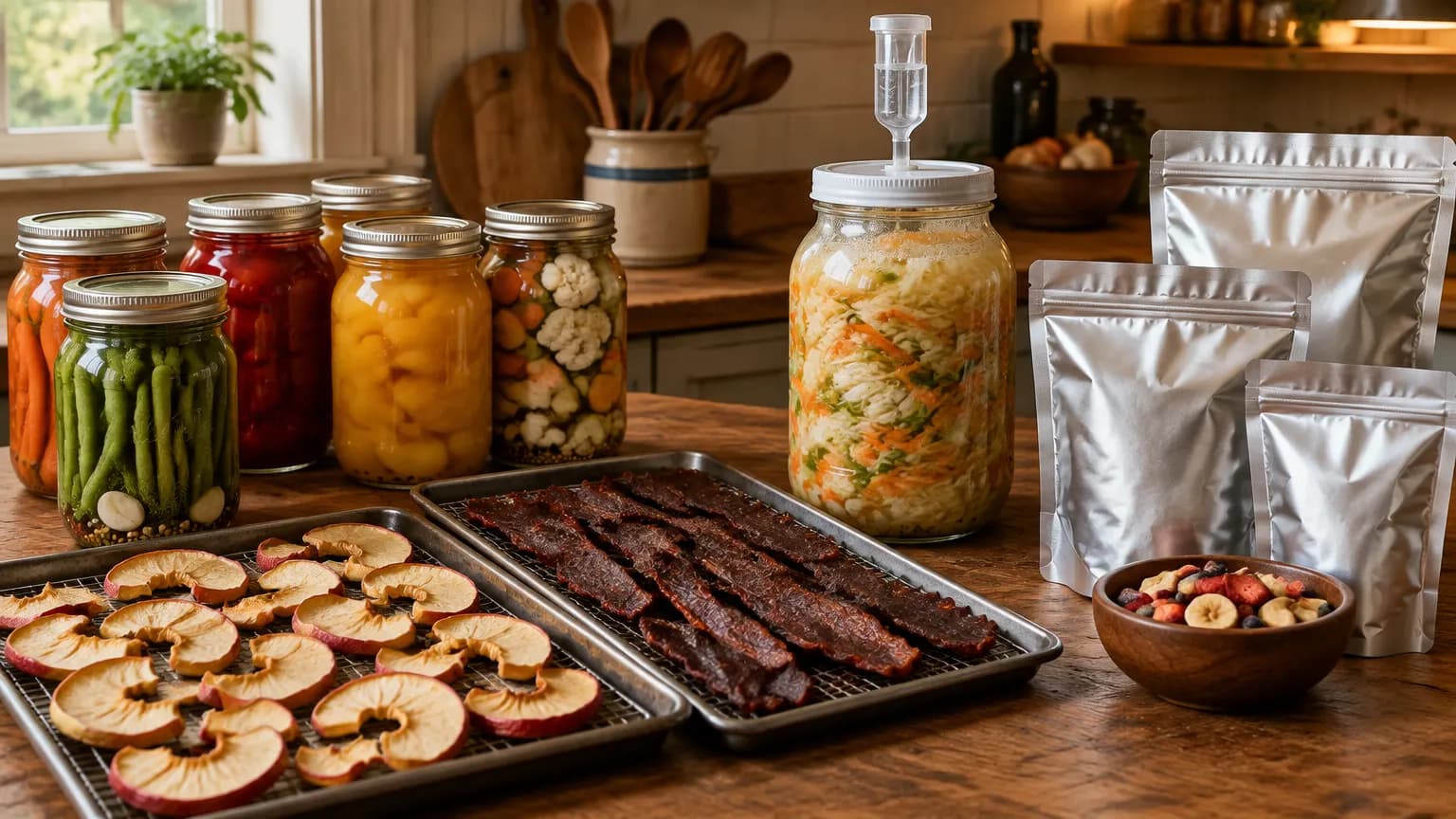
Food Preservation Compared: Canning, Dehydrating, Freeze Drying, Fermenting
Five ways to make food last, with honest shelf lives, real equipment costs, and the one method that fails precisely when you need it most.
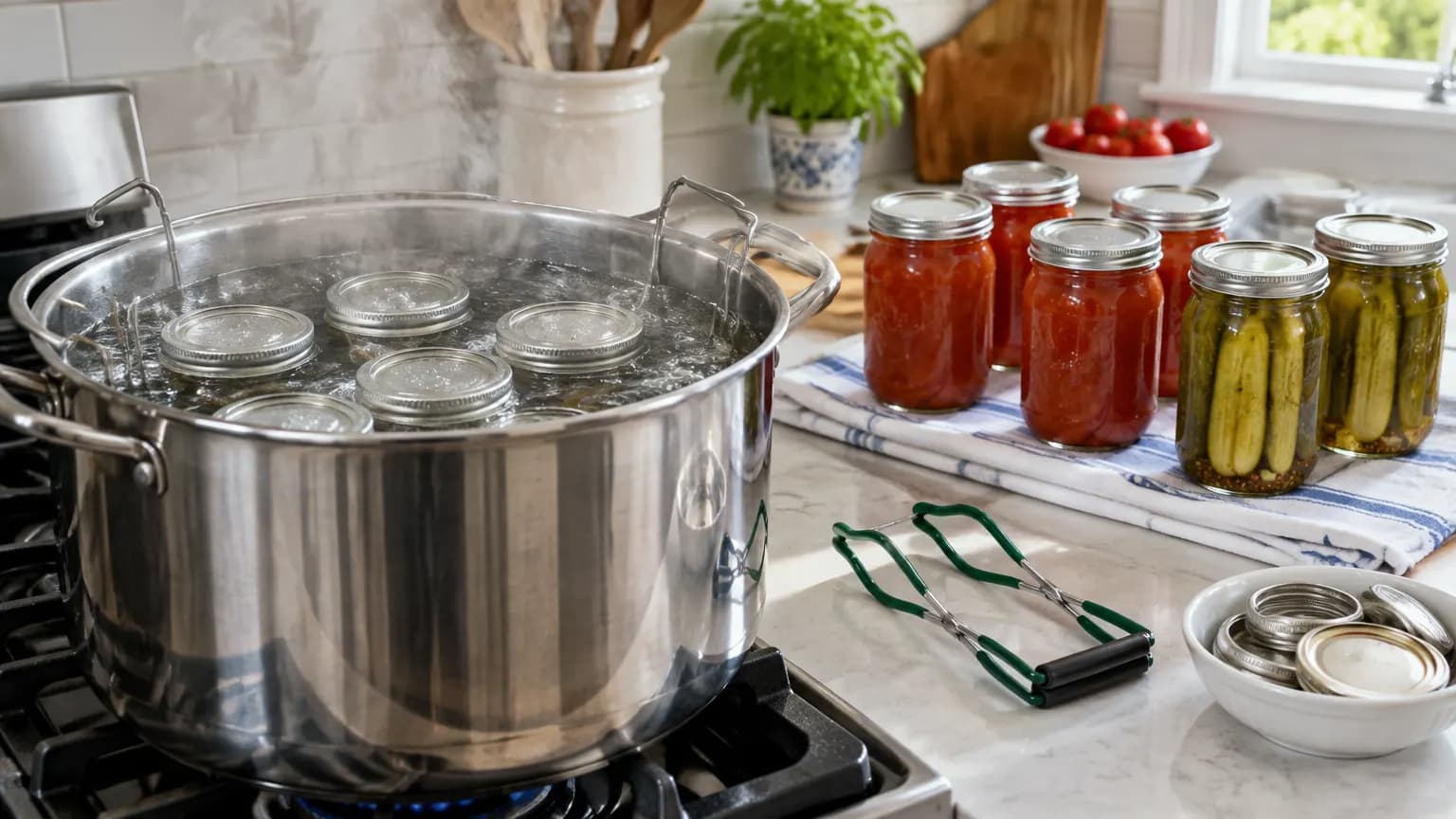
Water Bath Canning: What It Can Preserve, and What It Must Never Touch
Water bath canning is the cheapest way to fill a shelf with food that keeps for years. It is also the method with one rule you cannot bend, and the reason is botulism. Jams, jellies, peaches and the acid boundary, with the tested sources named.

When the Lights Stay Off: Planning for a Multi-Day Blackout
A four-hour outage is an inconvenience. A four-day one is a different problem: heat, water, food spoilage, and a decision about whether to stay. Here is how to think about each.