 The Prep Nest
Food Preservation Compared: Canning, Dehydrating, Freeze Drying, Fermenting
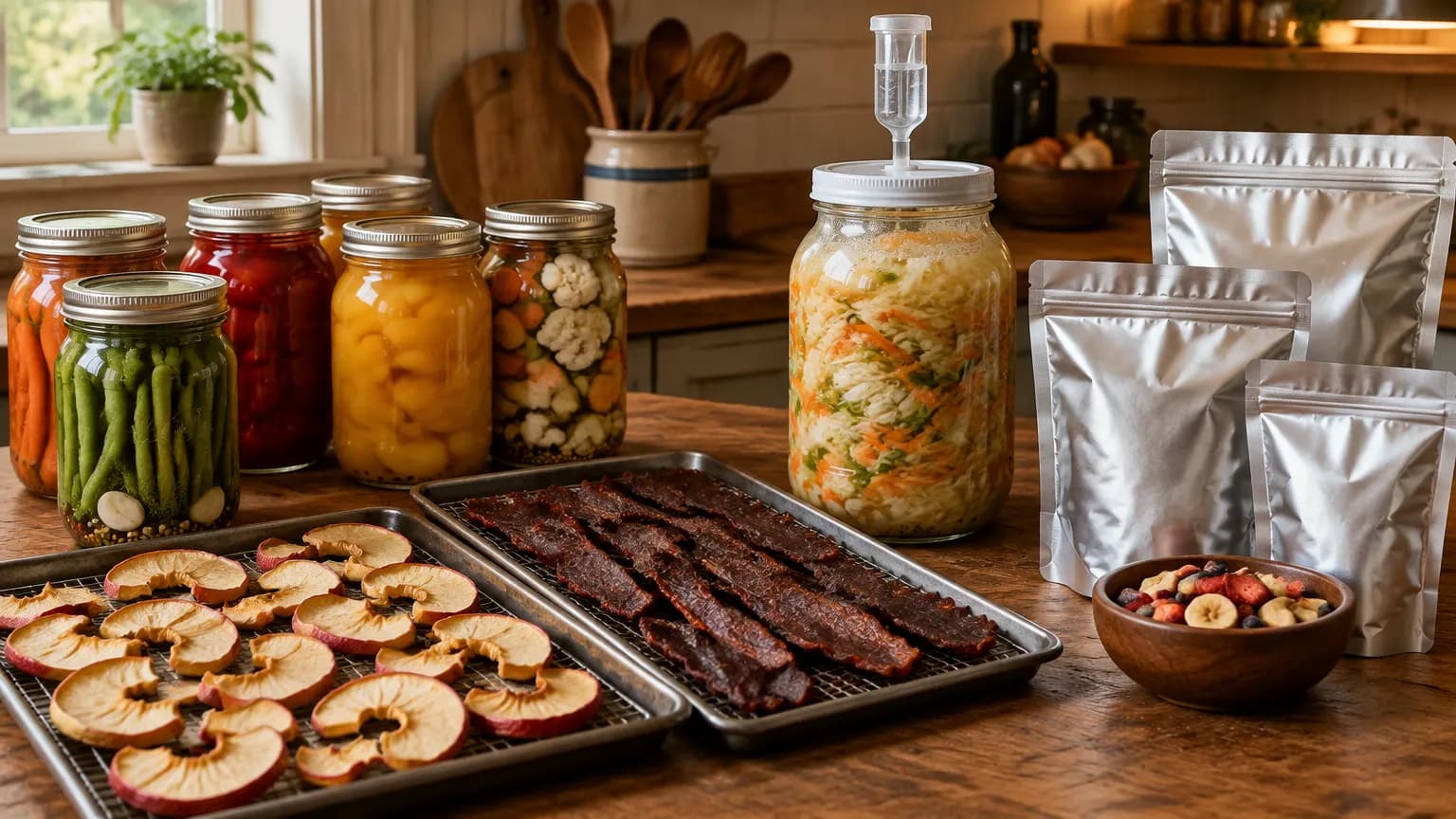
Every preservation method does the same fundamental thing, which is to remove one of the conditions microbes need: water, oxygen, a hospitable temperature, or a neutral pH. They differ in what they cost, how long the result lasts, how much of the original food survives the process, and how much they depend on the grid. That last one deserves more weight than it usually gets on a preparedness site.
Start with the method most households already use, because it is also the one with the specific weakness. Freezing is effortless, preserves texture and nutrition better than anything short of freeze drying, and requires no skill. It also fails completely in a power outage. A full freezer holds roughly 48 hours and a half-empty one about 24, after which an entire season of work becomes a disposal problem. Freezing is excellent for convenience and a poor foundation for resilience, which is why it belongs alongside a plan for backup power rather than on its own.
Canning is the traditional answer and the one that needs no energy at all once the jars are sealed. Properly processed jars are shelf stable for years at room temperature, the equipment is inexpensive, and a jar is its own portion. The cost is that it is the method with real safety rules attached, because the wrong technique with the wrong food can produce botulism toxin with no smell, taste, or visible sign. The dividing line is acidity, and it is absolute: high-acid foods can be processed in boiling water, while low-acid foods require a pressure canner. Our water bath canning guide covers which is which and why.
Dehydrating is the cheapest way into serious preservation and the most forgiving. Removing water down to around ten percent leaves most bacteria with nothing to work with, and the result weighs a fraction of the original, which is why dried food dominates any kit you carry. A basic dehydrator costs less than a weekly shop, and an oven on its lowest setting works for many things. Dried fruit, vegetables, herbs, and jerky keep for months in jars and considerably longer in sealed mylar with an oxygen absorber. The trade-offs are texture, which does not fully return, and the need for water to rehydrate, which matters if you are counting both.
Freeze drying is the premium option and the honest assessment is that the machine is the whole story. It removes water by sublimation under vacuum, retaining flavour, colour, and nutrition far better than heat drying, and producing food that rehydrates to something close to its original state with a shelf life measured in decades when properly packaged. That is genuinely impressive, and a home unit costs as much as a serious appliance, several thousand dollars, and runs for the better part of a day per batch. It makes sense for a household producing a lot of food from a garden or a hunt. For most people, buying commercially freeze-dried food for the emergency supply and dehydrating at home for everything else is the better economics.
Fermenting is the odd one out and deserves more attention than it gets. Lactic acid bacteria acidify the food themselves, which preserves it while adding nutritional value rather than subtracting it. Sauerkraut, kimchi, pickles, and yoghurt all come from a process that needs no electricity and almost no equipment beyond a jar and salt. The limitation is that most ferments want cool storage and keep for weeks to months rather than years, so it is a method for eating through a harvest rather than for a decade-long reserve.
The forgotten method is simply cold storage. A root cellar, an unheated basement, or a buried container keeps potatoes, carrots, beets, apples, onions, and squash for months with no processing, no energy, and no equipment. It is limited to what actually stores, it depends on having somewhere that stays cool and humid without freezing, and it is completely invisible to the grid. For the right crops it is the least effort of any method here.
In practice a sensible household uses several. Cold storage for the crops that suit it, fermenting and freezing for what gets eaten this season, dehydrating for the lightweight reserve and for anything going into a pack, and canning for the shelf-stable core that survives an outage. Keep bulk staples in airtight containers and everything rotating on the first in, first out system, because preserved food you never eat eventually becomes preserved food you throw away.
Whatever the method, label everything with what it is and when it was made. The most common failure in home preservation is not spoilage, it is a shelf of unlabelled jars nobody is confident enough to open.
Recommended gear for this guide
Picks from our Gear Guide that cover what this article talks about. Affiliate links; see our disclosure.
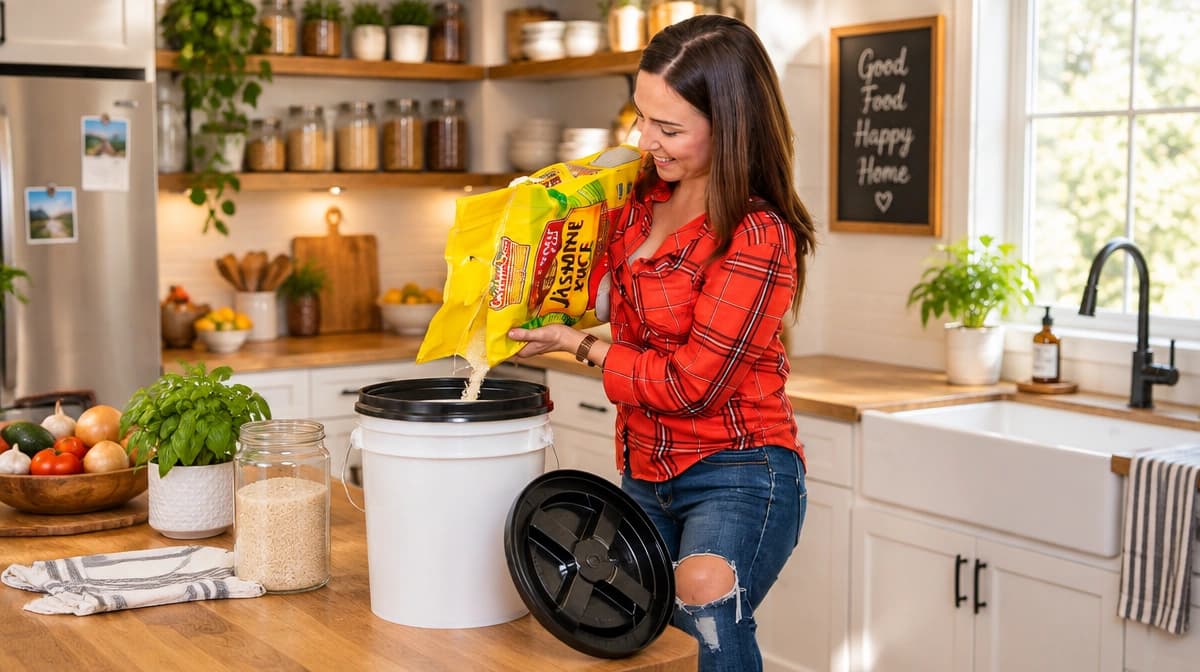
Airtight bucket lid
$Vittles Vault Gamma Seal Lid
Turns any standard 3.5 to 7 gallon food-grade bucket into an airtight, screw-top container for bulk rice, beans, and flour.
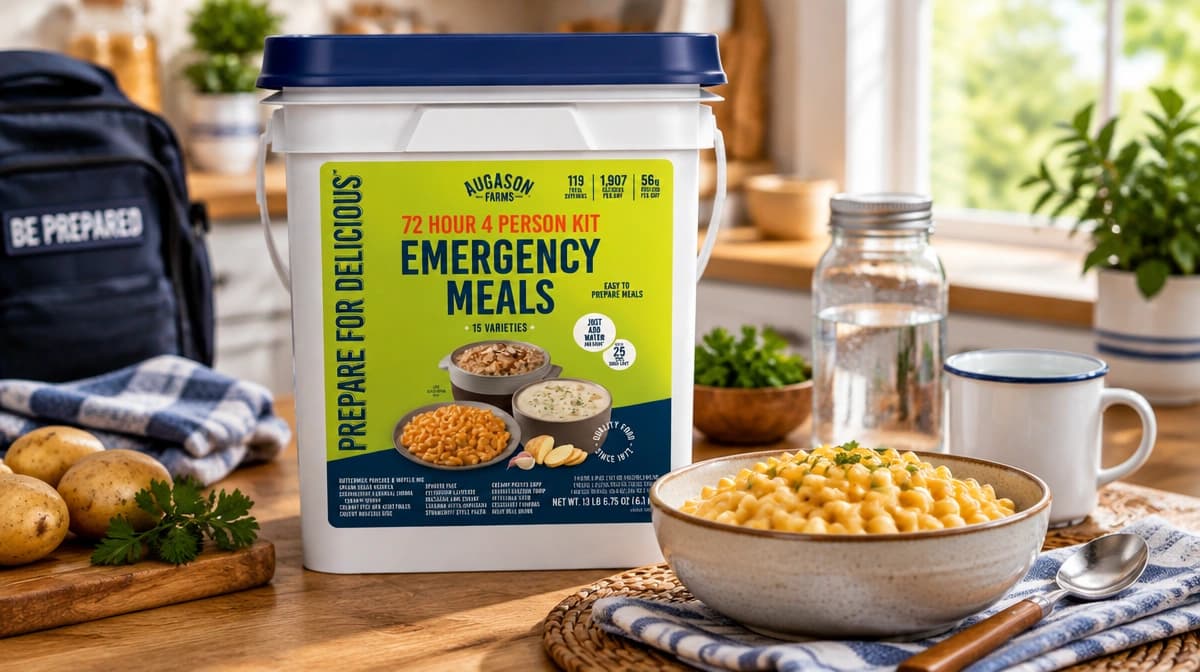
Freeze-dried meal kit
$$Augason Farms 4-Person 72-Hour Kit
Long shelf life with minimal prep: add water and eat. Covers a family of four for the critical first three days.

Portable power station (fast charging)
$$$EcoFlow Delta 3 (1024 Wh)
LiFePO4 cells rated for thousands of cycles and a wall recharge in about an hour. The better choice if outages are frequent where you live.
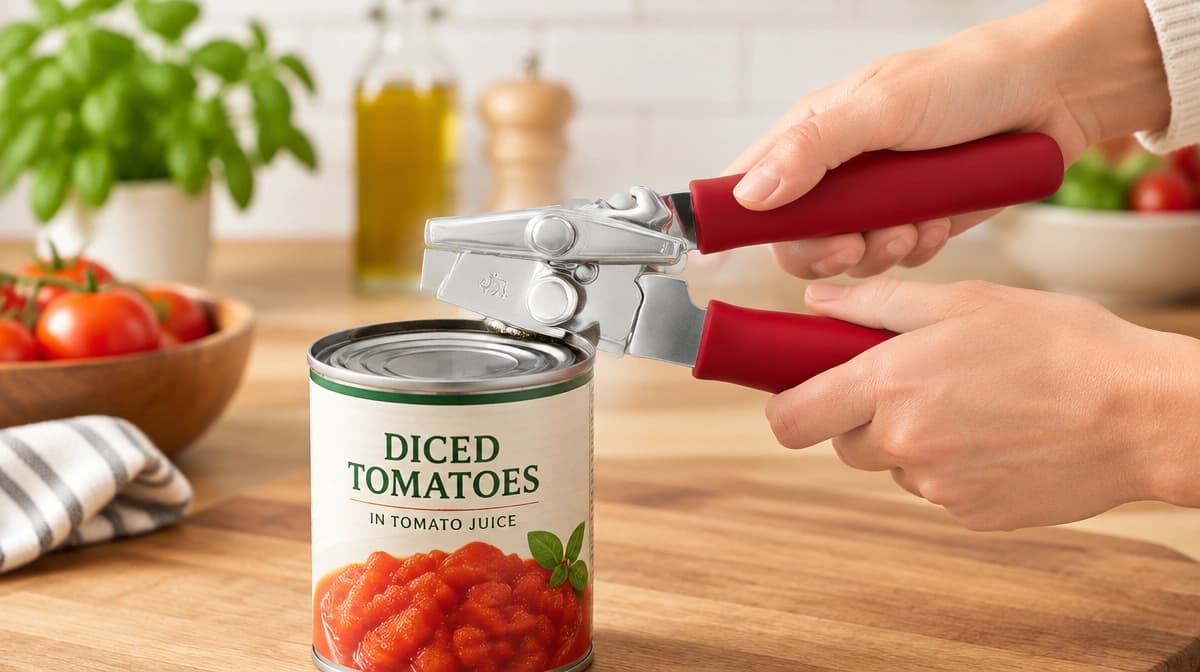
Manual can opener
$Swing-A-Way Portable
Cheap, easy to overlook, and useless to not have when the power is out. This one has been in production for decades for a reason.
Keep reading
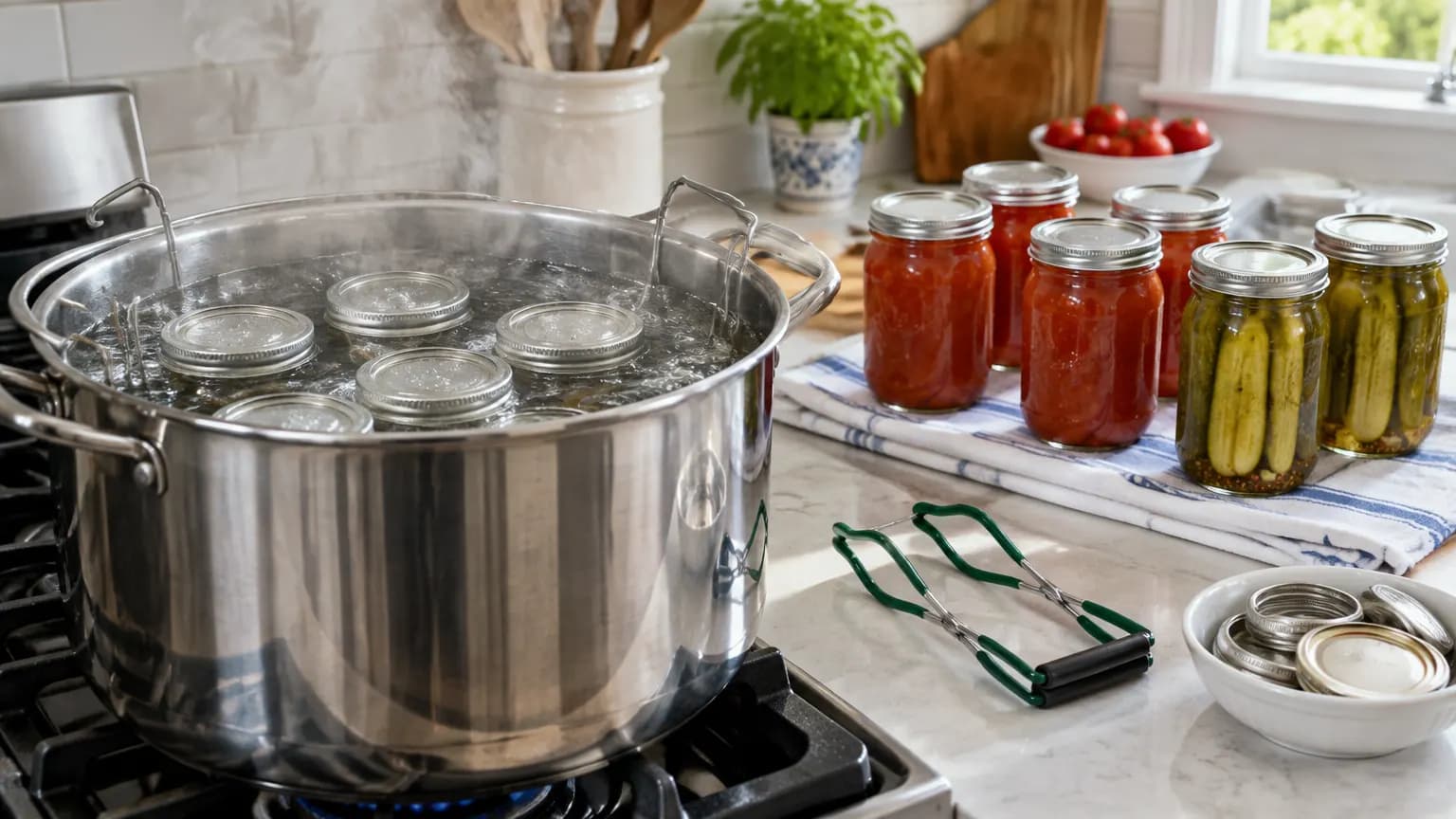
Water Bath Canning: What It Can Preserve, and What It Must Never Touch
Water bath canning is the cheapest way to fill a shelf with food that keeps for years. It is also the method with one rule you cannot bend, and the reason is botulism.
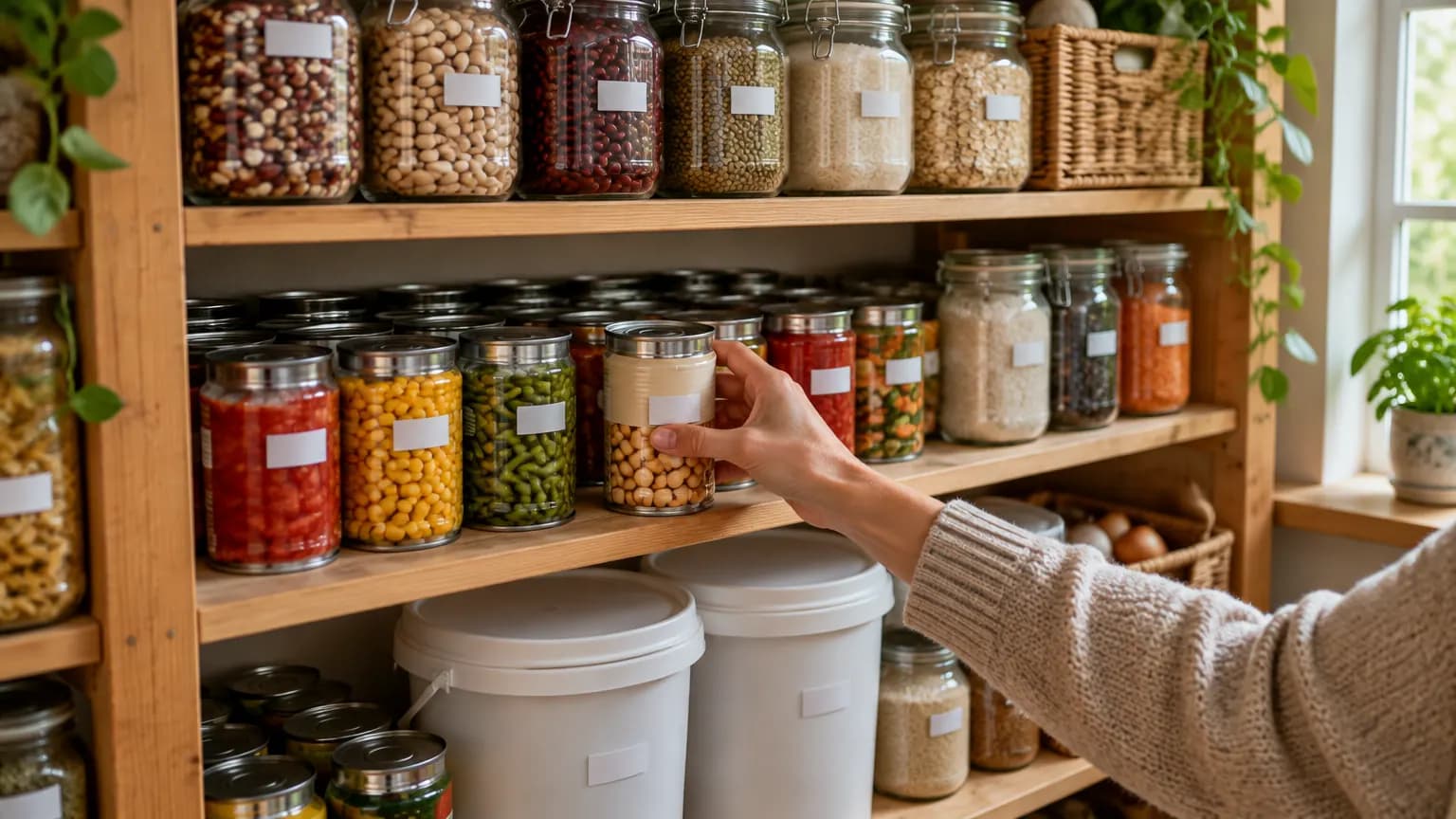
First In, First Out: A Sustainable System for Rotating Your Food Storage
A prep pantry that isn't rotated becomes an expired-food museum. Here's a simple system that keeps everything usable.
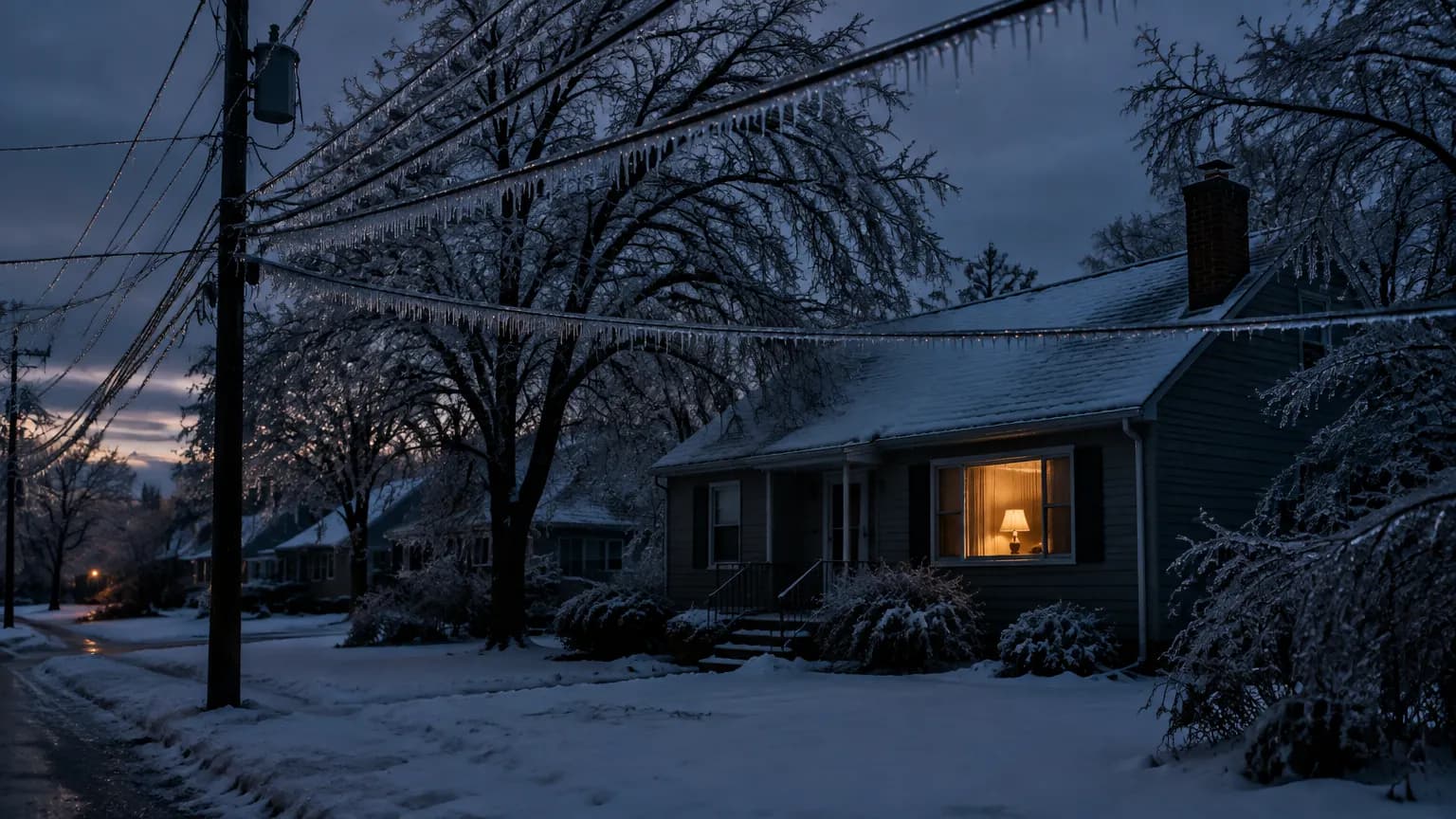
When the Lights Stay Off: Planning for a Multi-Day Blackout
A four-hour outage is an inconvenience. A four-day one is a different problem: heat, water, food spoilage, and a decision about whether to stay. Here is how to think about each.