 The Prep Nest
How to Build a Rainwater Collection System That Does Not Overflow
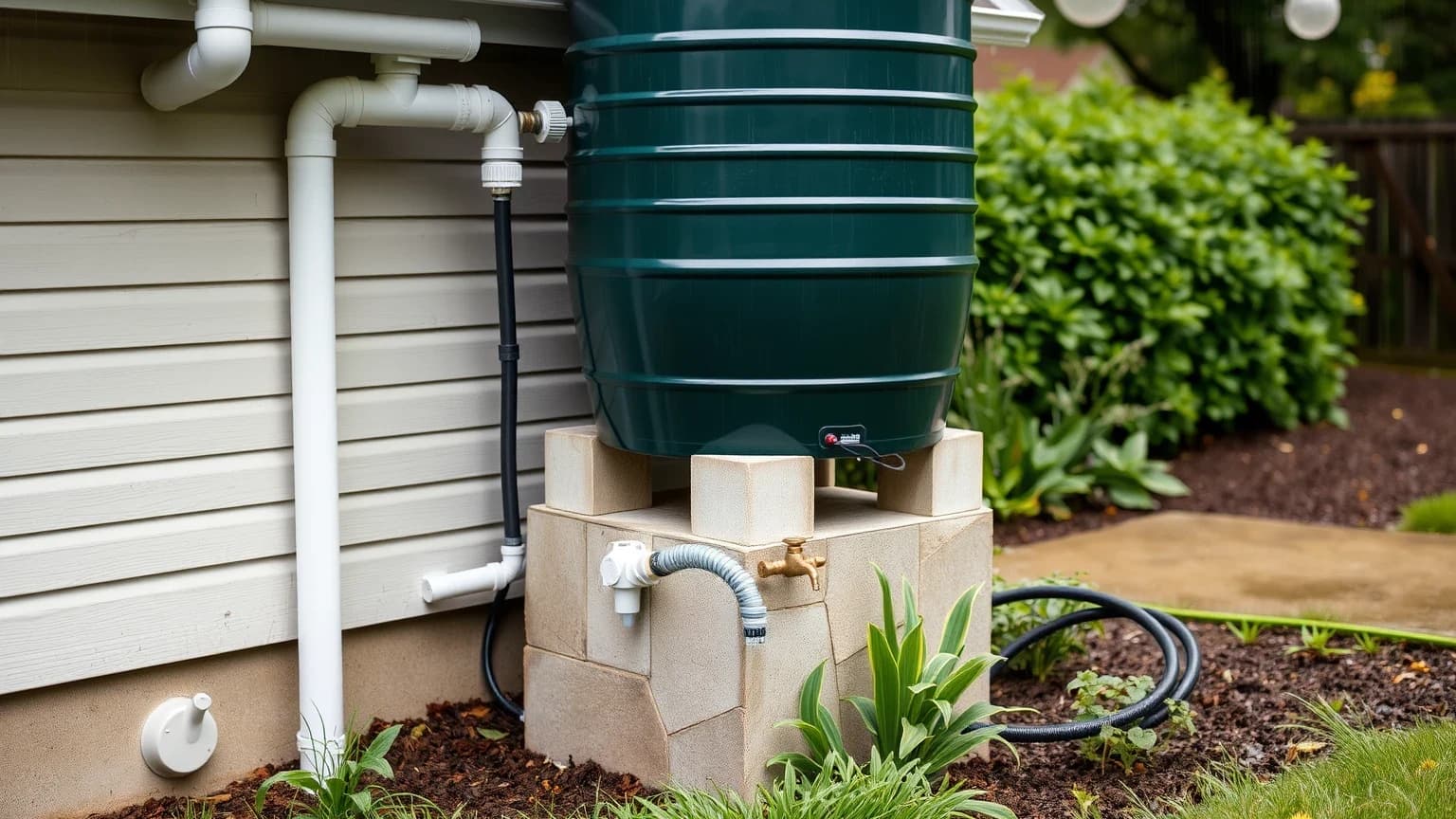
A rain barrel under a downspout is not a rainwater system. It is one component of one, and on its own it overflows in the first serious storm, breeds mosquitoes by midsummer, and fills with the roof grit that the first ten minutes of rain washes off. The difference between that and a system is five parts, and none of them is expensive.
This guide is about building the system. If what you want to know is how much water a roof yields and what that water is safe for, our guide to rainwater harvesting answers that question instead.
Before anything else: check whether you may
Rainwater collection is legal in most of the United States, and in a few western states it is regulated, because water law there treats precipitation as already belonging to downstream users. Start here rather than after you have bought a tank.
Colorado is the strictest case and worth knowing in detail, because it is the example most often garbled online. Under Section 37-96.5-103 C.R.S., established by House Bill 16-1005, the rules are specific:
| Colorado rule | Detail |
|---|---|
| Who | Single-family homes, or multi-family with four or fewer units |
| How much | Two barrels, 110 gallons combined |
| Permit | None required at that volume |
| Containers | Must have sealable lids |
| Use | Outdoor only, on the property where it was collected |
| Not permitted | Drinking water or any indoor household use |
The state's Division of Water Resources adds that properties with a residential well, or which could qualify for one, may be allowed to collect more under separate statutes. Other western states have their own rules and some offer rebates rather than restrictions. Check your own state and your municipality before you build, and check your HOA covenant too, which is more often the real obstacle than state law.
How much water the roof actually yields
The arithmetic is simple and the number surprises people. One inch of rain on one square foot of roof produces 0.623 gallons. That is geometry rather than an estimate: a square foot is 144 square inches, an inch of rain on it is 144 cubic inches, and a US gallon is 231 cubic inches.
The formula is therefore: roof footprint in square feet × inches of rain × 0.623 × efficiency.
| Roof footprint | 1 inch of rain | A 2-inch storm | 30 inches a year |
|---|---|---|---|
| 500 sq ft | 265 gal | 530 gal | 7,950 gal |
| 1,000 sq ft | 530 gal | 1,060 gal | 15,900 gal |
| 1,500 sq ft | 795 gal | 1,590 gal | 23,850 gal |
| 2,000 sq ft | 1,060 gal | 2,120 gal | 31,800 gal |
Those figures use an efficiency factor of 0.85, which allows for what the first flush diverts, what evaporates, and what splashes past the gutter. Use the roof's footprint, the area it covers on the ground, not the pitched surface area: a steeper roof catches the same rain as a flat one of the same footprint.
The important conclusion is in the second column. A 1,000 square foot roof in a single two-inch storm produces over a thousand gallons, which is ten times what two standard barrels hold. Your system will overflow on most storms, and the design question is where that overflow goes, not whether it happens.
The five parts of a system
1. The catchment and gutters
Roof material matters for what the water is fit for. Metal and tile are the cleanest; asphalt shingle sheds grit and some compounds; and anything with lead flashing, treated wood shakes or old paint is a reason to keep the water well away from edible planting. Keep gutters clear, and fit a leaf screen, because every leaf that reaches the barrel becomes sediment.
2. The first-flush diverter
This is the part most home systems leave out and the one that makes the largest difference to water quality. A first-flush diverter is a vertical pipe that fills before water can continue to the tank, capturing the dirtiest initial runoff carrying roof dust, droppings and pollen. It drains slowly through a small weep hole so it is empty and ready for the next storm.
A common sizing convention is roughly 10 gallons of diversion per 1,000 square feet of roof. It costs very little and it is the difference between stored water and stored sludge.
3. Storage, and the overflow
Containers must be opaque, because sunlight grows algae, and sealed, because open water breeds mosquitoes. That sealing requirement is not just good practice; it is written into Colorado's rules, and it is why a repurposed open drum is a poor choice.
Plan the overflow before you buy the tank. Given the numbers above, the outlet will run, and it must be piped somewhere that drains away from the foundation. An overflow discharging against the wall of a house is a worse problem than the one the barrel was solving. Barrels can be linked in series at the top to chain capacity, which is the cheapest way to expand.
Raise the tank. A spigot at the bottom of a barrel standing on the ground gives you almost no head and will not fill a watering can. On a stand of concrete blocks it will, and gravity is the only pump most systems need.
4. Filtration, matched to the use
Filtering for irrigation means keeping debris out of a hose and nothing more: a mesh screen at the inlet and a tap filter do it. Filtering to a standard where water is fit for washing or, where it is legal, for indoor use is an entirely different proposition involving sediment filtration, disinfection and testing, and it belongs with a professional rather than a weekend build.
5. Maintenance, which is the part that fails
| Task | How often |
|---|---|
| Clear gutters and leaf screens | Twice a year, and after storms |
| Check the first-flush weep hole | Monthly in the wet season |
| Inspect seals and lids for insect entry | Monthly |
| Drain and clean the tank | Annually |
| Empty before a hard freeze | Before winter |
Colorado requires barrels to be emptied at least monthly, which is a sensible habit everywhere: stored water that sits for months is water nobody wants to use.
What this water is and is not for
Treat harvested rainwater as non-potable. It has run across a roof and through a gutter, and it carries whatever was on them. In Colorado, drinking it is specifically not permitted. Elsewhere it is a matter of treatment and testing rather than permission, but the default assumption should be irrigation, not drinking.
That still makes it valuable in an emergency, because a great deal of household water use is not drinking: flushing, washing, cleaning and keeping a garden alive. It extends your stored drinking water by taking the other jobs off it. If you intend to drink it in a genuine emergency, it needs the same treatment as any water of uncertain quality, and our water filtration guide sets out what each method does and does not remove, including the fact that hollow-fibre filters do not remove viruses.
A realistic first build
Two linked 55-gallon barrels on a block stand, under the downspout that serves the largest roof section, with a leaf screen, a simple first-flush diverter and an overflow piped into a garden bed. That is an afternoon, it is legal almost everywhere including Colorado at exactly 110 gallons, and it will cover routine garden watering through most of the growing season.
Expand by adding barrels in series or by moving to a single larger tank once you know where the overflow goes and how fast the system actually fills. Nearly everyone who builds one underestimates both.
What we could not verify
We do not physically test the products linked on this page; the picks come from manufacturer specifications, retailer data and what buyers report over time.
The 0.623 gallons per square foot per inch figure is geometry and is exact. The 0.85 efficiency factor is a planning convention rather than a measured value, and real efficiency varies with roof material, pitch, gutter condition and how much of a storm the first flush takes; treat the yield table as an estimate and not a guarantee. The first-flush sizing convention of roughly 10 gallons per 1,000 square feet is likewise a rule of thumb rather than a standard.
The Colorado rules are from the state's Division of Water Resources, checked on 3 October 2026. We have not surveyed the other 49 states, and rules, rebates and HOA covenants change. Confirm your own jurisdiction before building; nothing here is legal advice.
Recommended gear for this guide
Picks from our Gear Guide that cover what this article talks about. Affiliate links; see our disclosure.
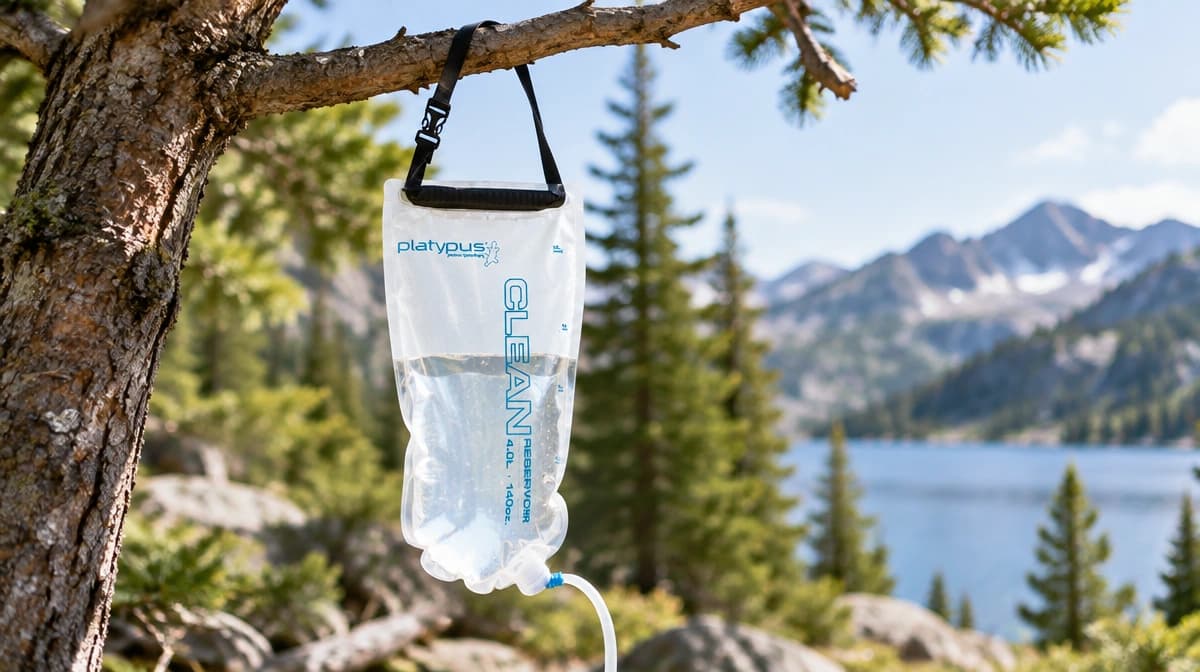
Gravity-fed water filter
$$$Platypus GravityWorks 4L
Filters four liters at a time with no pumping required, ideal for a household kit or group camp.
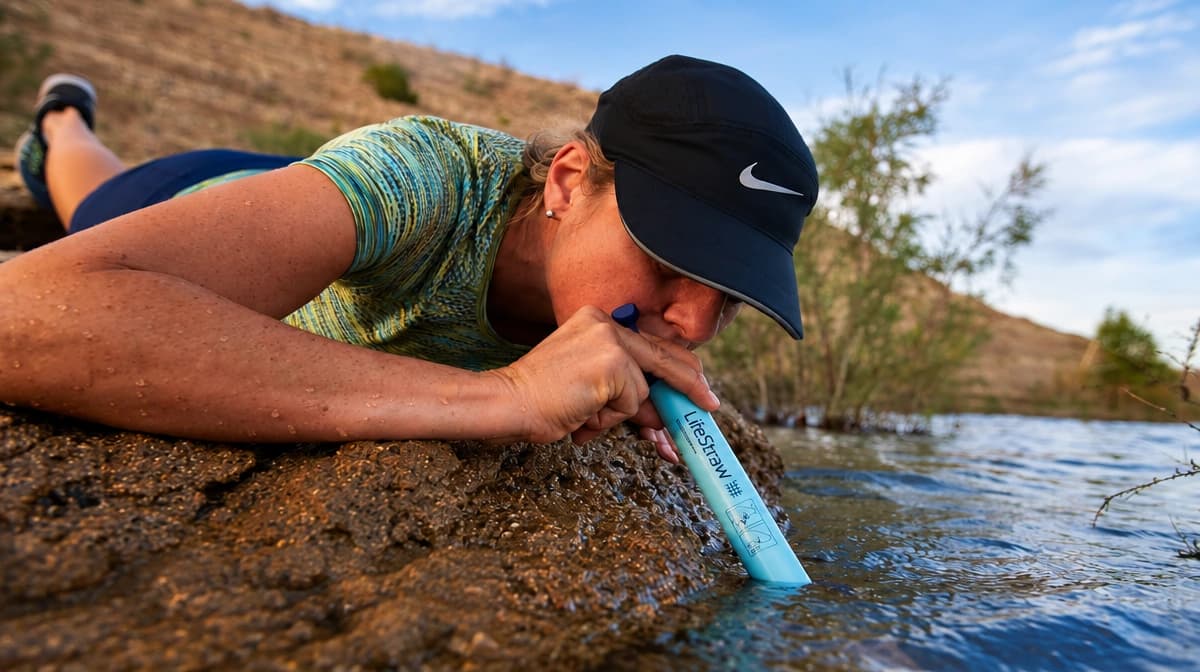
Personal straw filter
$LifeStraw Personal
Compact, single-user filtration for bug-out bags and day hikes. No moving parts, nothing to break.

Inline squeeze filter
$Sawyer Mini SP128
Works as a straw, inline on a hydration bladder, or with the included squeeze pouch. Rated for 100,000 gallons.
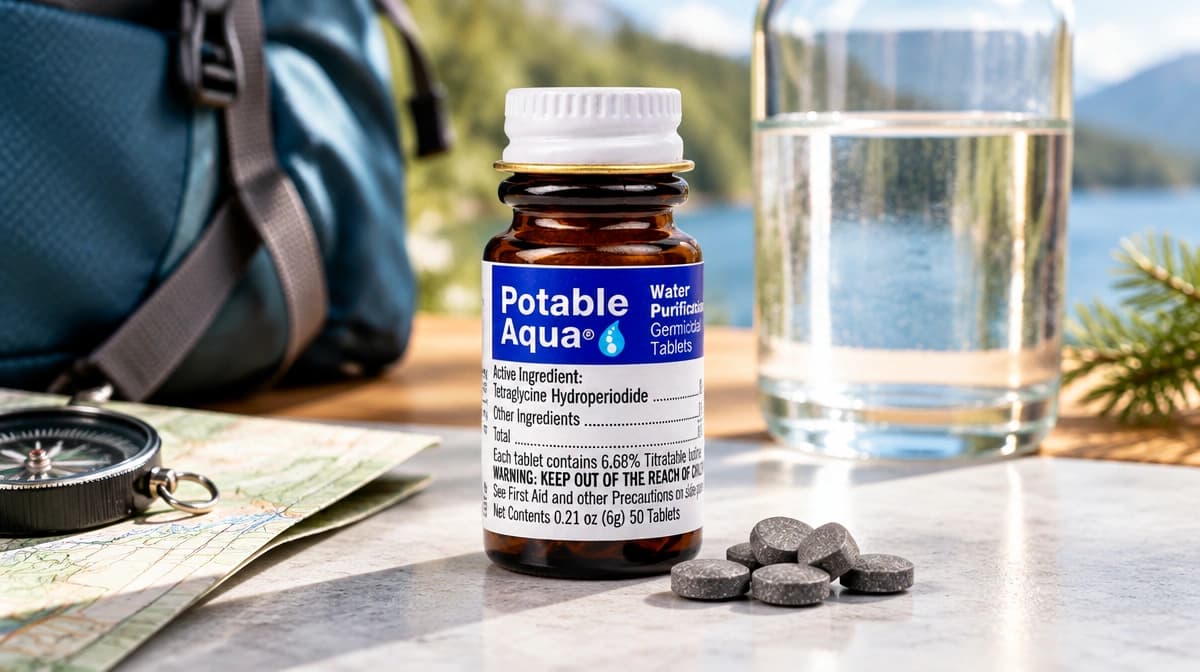
Water purification tablets
$Potable Aqua with PA Plus (2 x 50)
Lightweight backup for when filtration alone isn't enough against viruses. The PA Plus bottle removes the iodine taste.
Keep reading
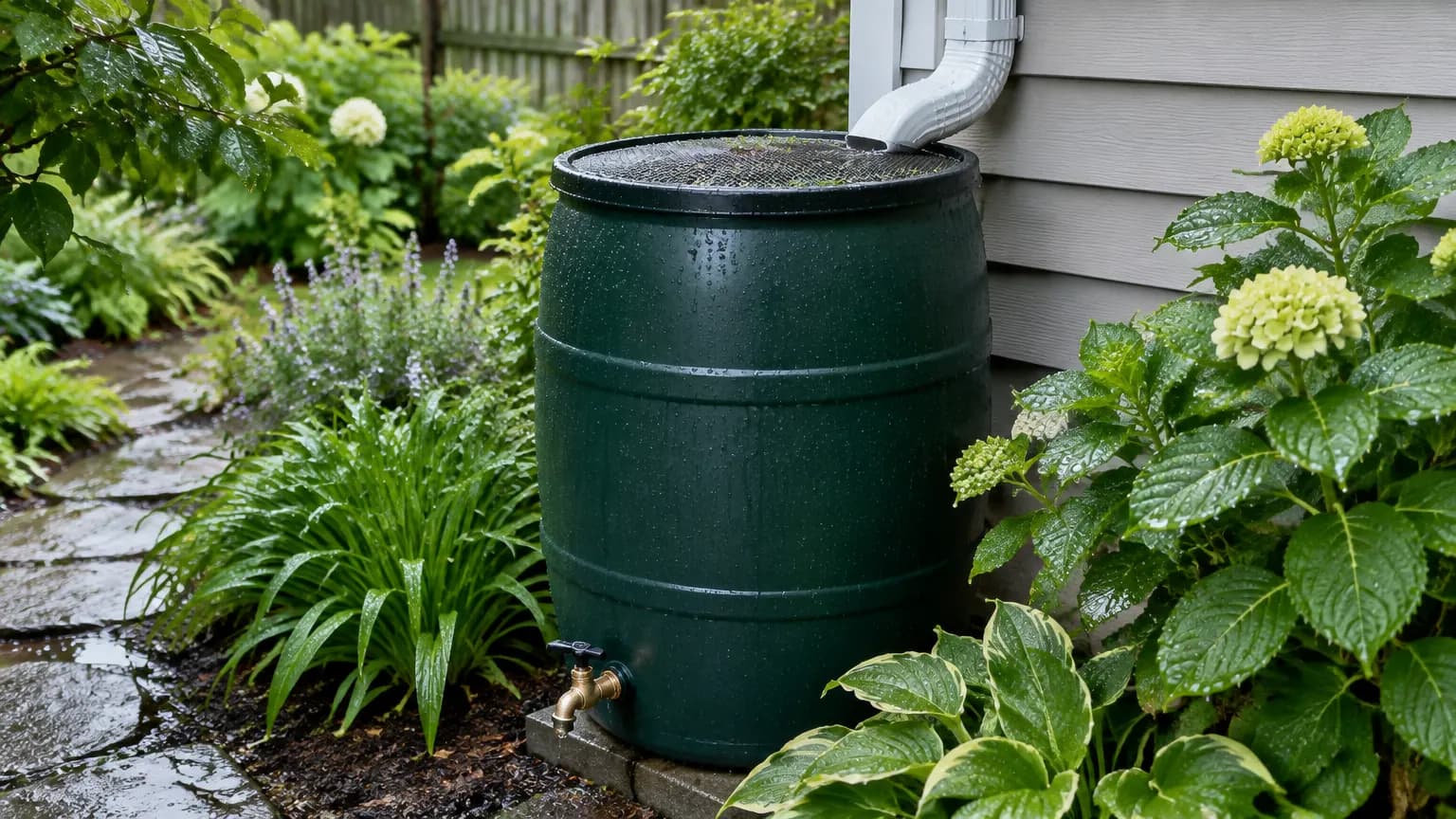
Rainwater Harvesting: How Much You Can Collect, and What It Is Safe For
A single inch of rain on an average roof is hundreds of gallons. Here is the arithmetic, the hardware that makes it usable, and the honest answer on whether you can drink it.
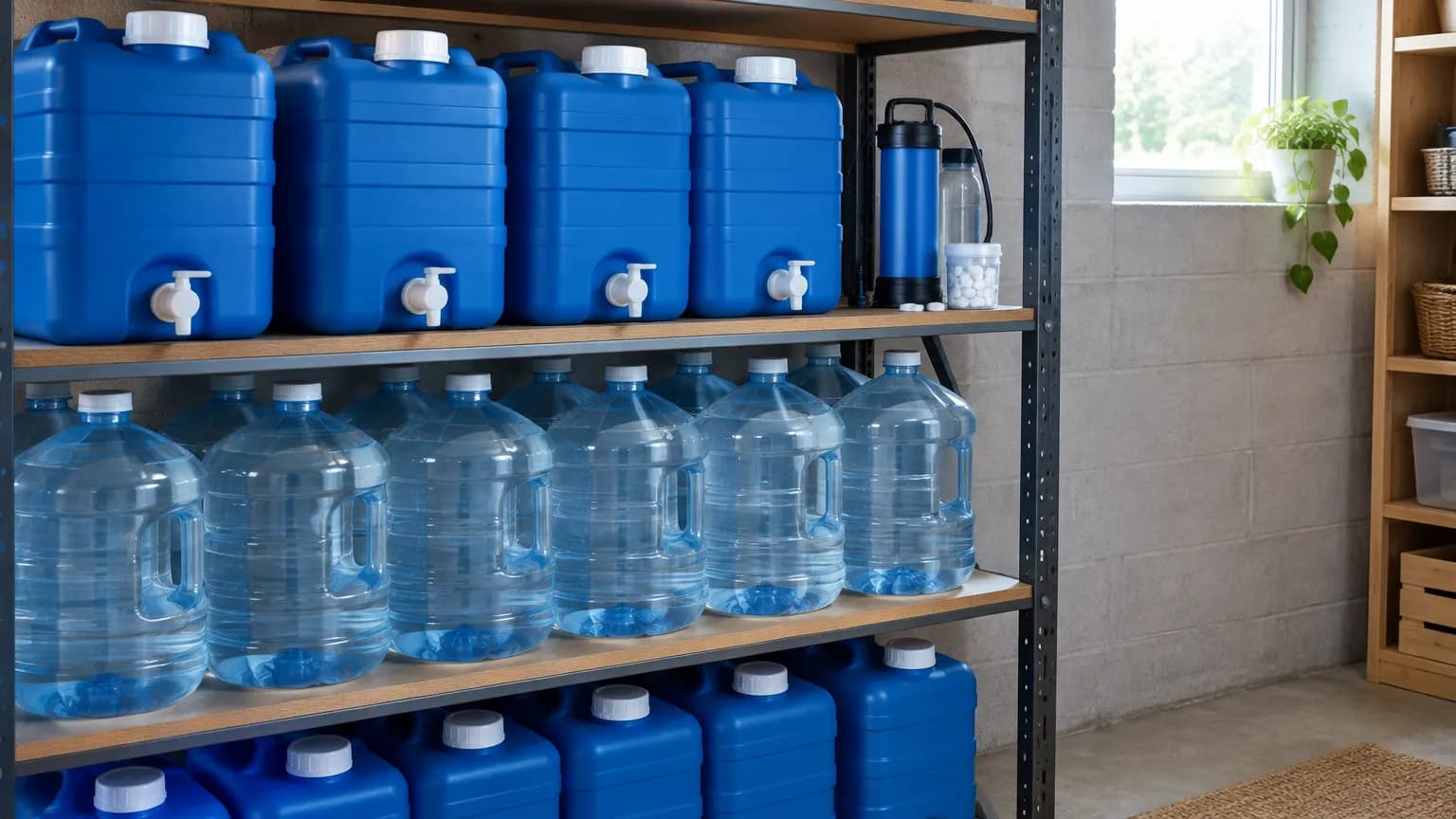
How Much Water Should You Really Store? A Complete Guide
One gallon per person per day is where the advice stops and the arithmetic begins. Here is what three days, two weeks and a month actually look like in containers, floor space and weight.
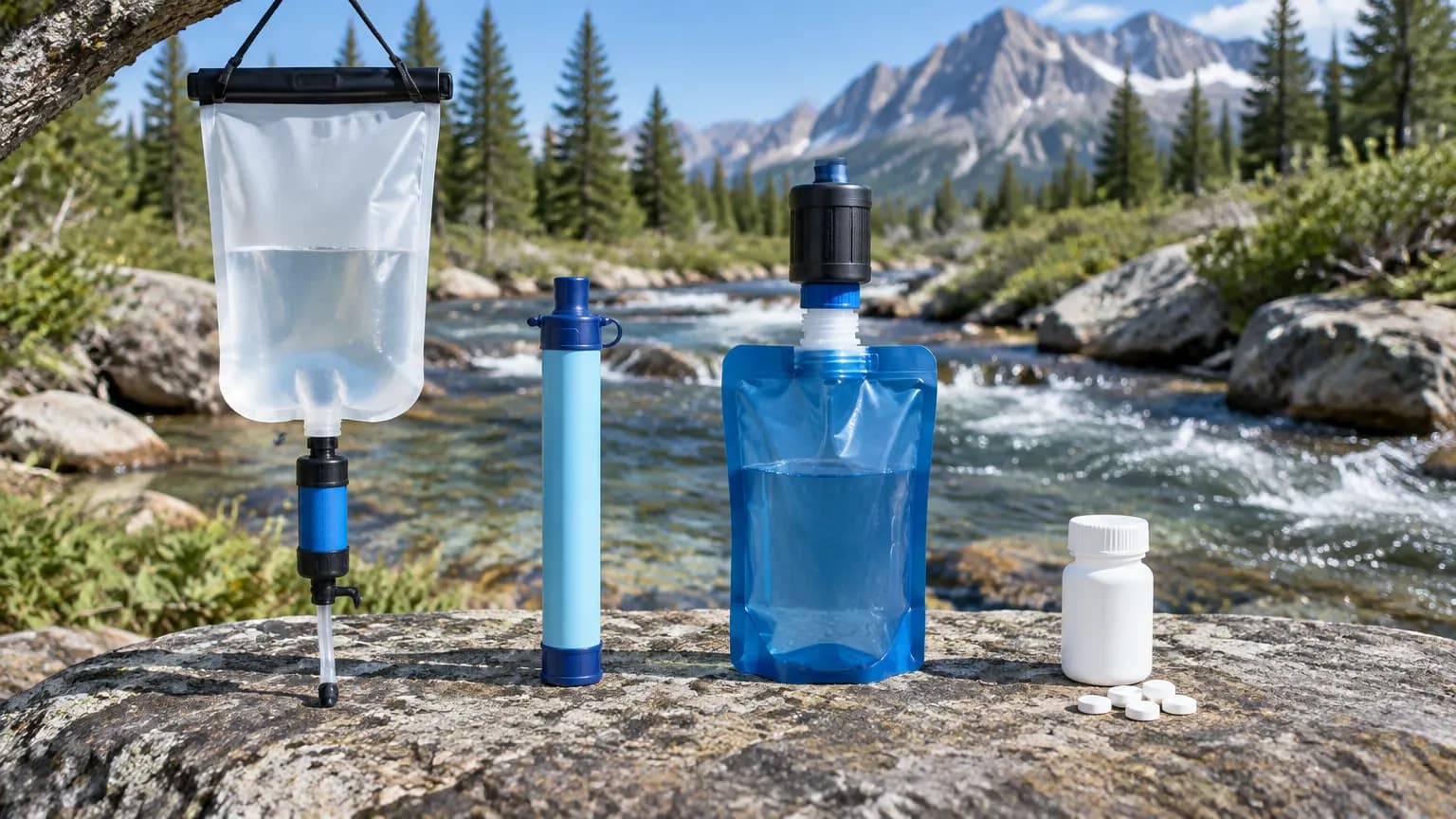
Emergency Water Filters Compared: Gravity, Squeeze, Straw, Tablets
Four ways to make water drinkable, each good at something different, and one technical detail that decides whether your filter is enough on its own.