 The Prep Nest
First Aid & Medical
A kit sized for real injuries, not just blisters and paper cuts.
First aid is the area where equipment does the least and training does the most. A trauma kit in the hands of somebody who has never used a tourniquet is an object, not a capability, and that is worth saying before any product on this page.
Two different kits for two different problems
An everyday kit handles the injuries that actually happen: cuts, blisters, burns, splinters, sprains, headaches and upset stomachs. It is used dozens of times a year and should live where people can find it.
A trauma kit handles bleeding that will not stop, which is rare and time-critical. Its contents (a tourniquet, haemostatic gauze, a pressure bandage, chest seals) address a situation measured in minutes. Carrying one without training is the classic mistake. A tourniquet applied wrongly does harm, and the skills are taught in a few hours by a Stop the Bleed course or an equivalent.
The thing most likely to actually hurt your household
Neither kit addresses the most probable medical problem in a disaster, which is running out of a prescription. About half of American adults take a prescription medicine daily, and an emergency is exactly when the pharmacy is closed, unreachable, or out of stock.
Ask your prescriber about an emergency supply and about what to do if a refill is delayed. Keep medication in its labelled original container, note what needs refrigeration, and set a rotation reminder so nothing in the kit is expired when it is needed. Our family emergency plan guide covers recording this alongside the rest of the household's critical information.
What we could not verify
We do not physically test these products, and the contents of pre-assembled kits in particular change between production runs without the listing changing. Open any kit you buy, check what is actually inside against what you expected, and add what is missing. Nothing on this page is medical advice or a substitute for training; for anything beyond minor first aid, take a course from a recognised provider.
What we recommend
Chosen on published specifications and on what buyers consistently report. We do not physically test these products. Affiliate links; see our disclosure.
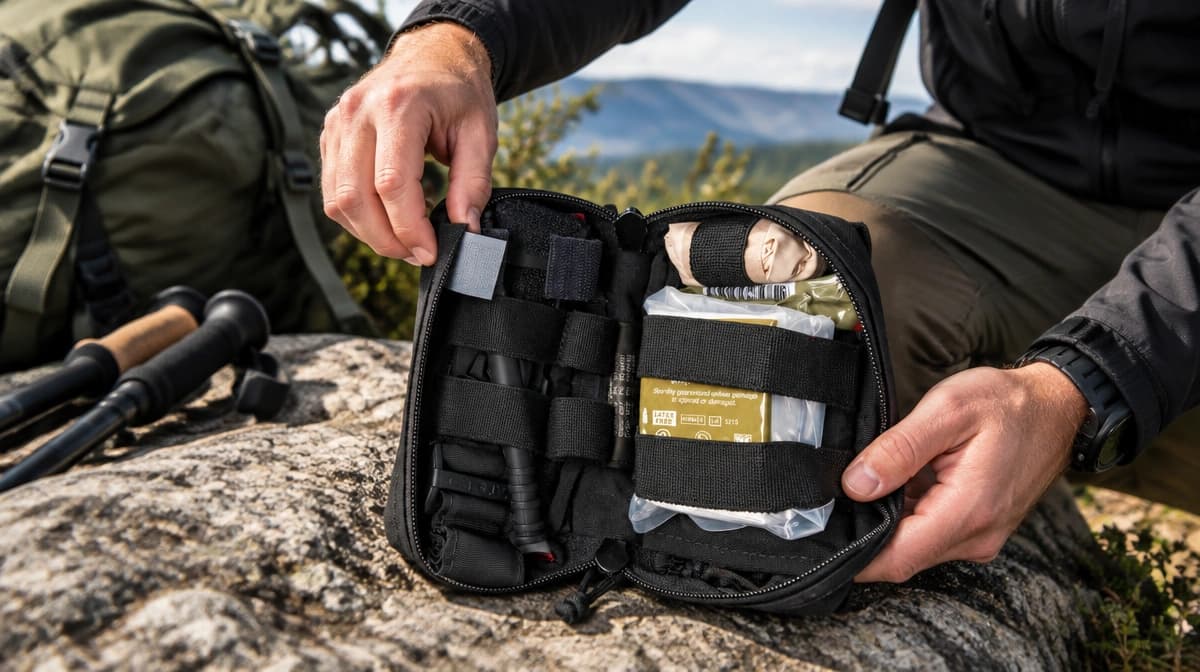
Trauma-level first aid kit
$$$North American Rescue M-FAK Mini
The same bleeding-control gear first responders carry: CAT tourniquet, emergency trauma dressing, and compressed gauze in a compact pouch.

Everyday first aid kit
$$My Medic Everyday Carry Kit
Covers the common stuff (cuts, burns, sprains) in a kit small enough to live in a glovebox or daypack.
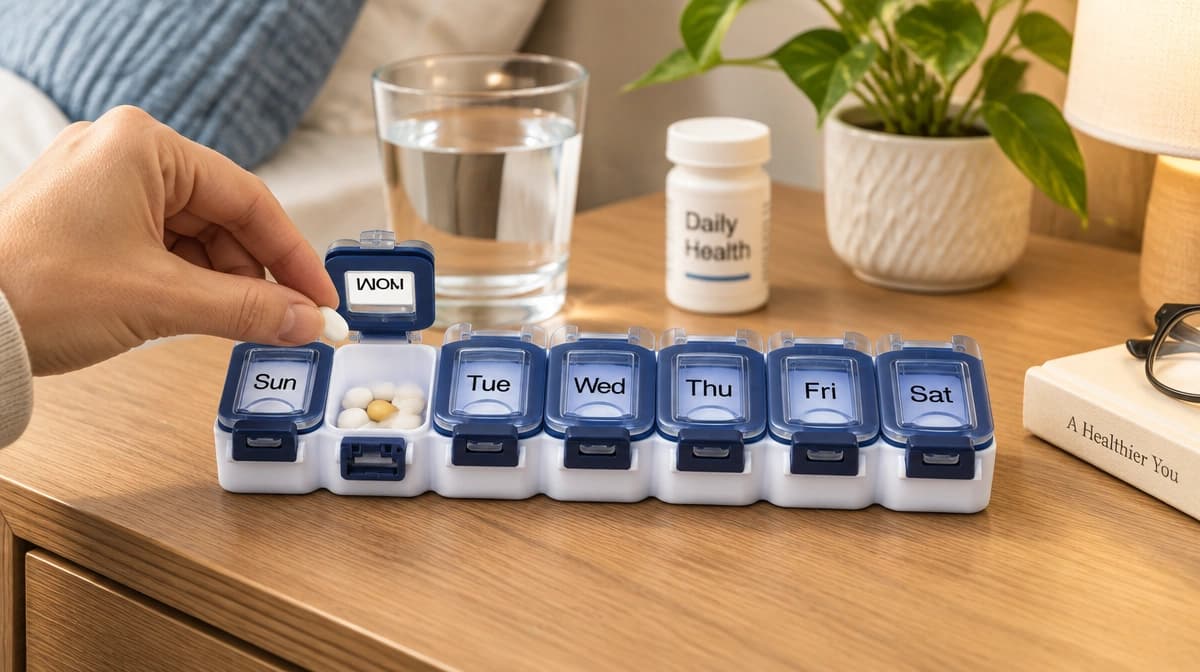
Medication organizer
$Ezy Dose Weekly (7-Day) Large
Keeps a rotating week of essential prescriptions organized and easy to grab on the way out the door.