 The Prep Nest
Shelter & Warmth
Temperature regulation is a higher priority than most people rank it.
Exposure kills faster than hunger and usually faster than thirst, and it does it at temperatures people do not consider dangerous. Wet and windy at 10°C is more hazardous than dry and still at well below freezing, which is why shelter and warmth belong near the front of a kit rather than at the end.
The ground takes more heat than the air
The mistake that makes cold nights miserable is insulating upward and not downward. Lying directly on cold ground conducts heat out of you far faster than the air convects it away, so an emergency blanket wrapped around you while you lie on bare soil solves the smaller half of the problem. Put something between you and the ground first: a foam pad, a pack, spare clothing, dry leaves, anything that traps air.
Bivvy, blanket or tent
A reflective emergency bivvy is the best warmth-to-weight item in a kit. It is a sealed bag rather than a sheet, so it holds radiated heat and keeps wind and rain off, and it packs to the size of a fist. The trade-off is condensation: sealed means your own moisture has nowhere to go, so a night in one is survivable rather than comfortable, and a hooded version is meaningfully warmer than a plain one.
A tent is a different category of answer, for planned use rather than emergencies. It is worth owning for a household that may need to shelter away from home for days, and worth leaving out of a bag you carry. In an urban disaster the realistic outcomes are staying put or reaching a shelter, which is why a tent rarely belongs in a city kit at all. Our 72-hour kit checklist covers what to skip and why, and shelter in place covers the case where the answer is to stay where you are.
What we could not verify
We do not physically test these products. Packed sizes, weights, capacities and reflectivity percentages are manufacturers' published claims from retailer listings checked on 3 October 2026. Temperature performance in particular is not standardised across emergency bivvies the way sleeping bag ratings are, so treat any warmth claim as a marketing figure rather than a specification you can plan a cold night around.
What we recommend
Chosen on published specifications and on what buyers consistently report. We do not physically test these products. Affiliate links; see our disclosure.
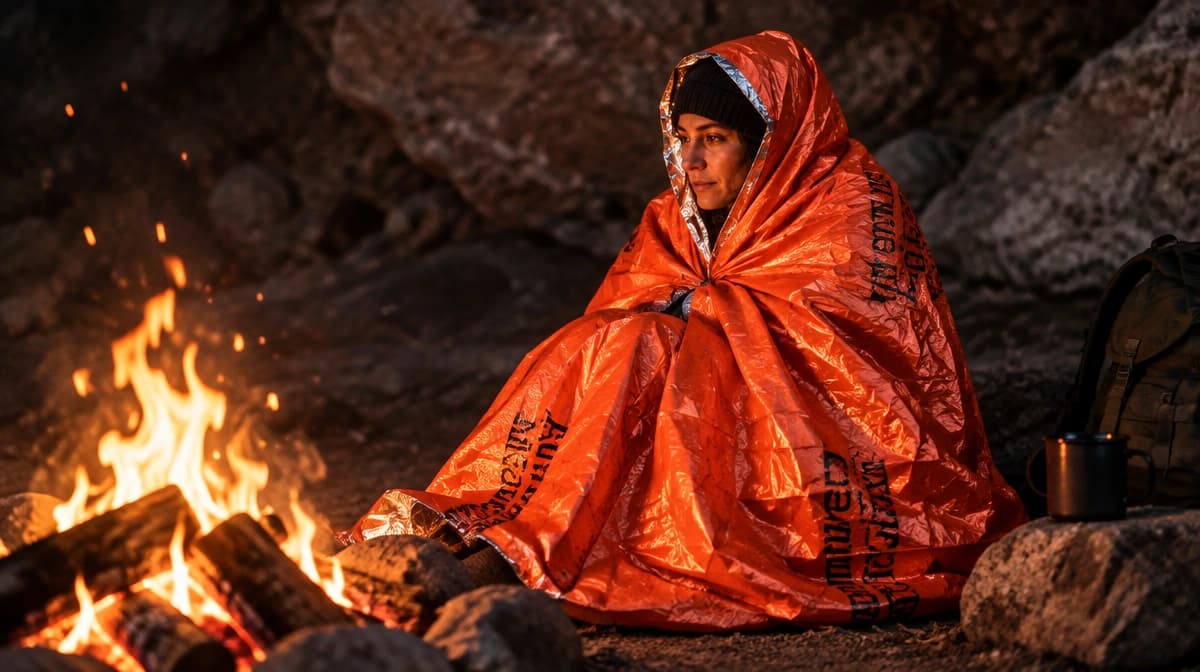
Emergency bivvy
$S.O.L. Emergency Bivvy
Packs down to the size of a fist and reflects 90 percent of body heat. Far more effective than a flat space blanket.
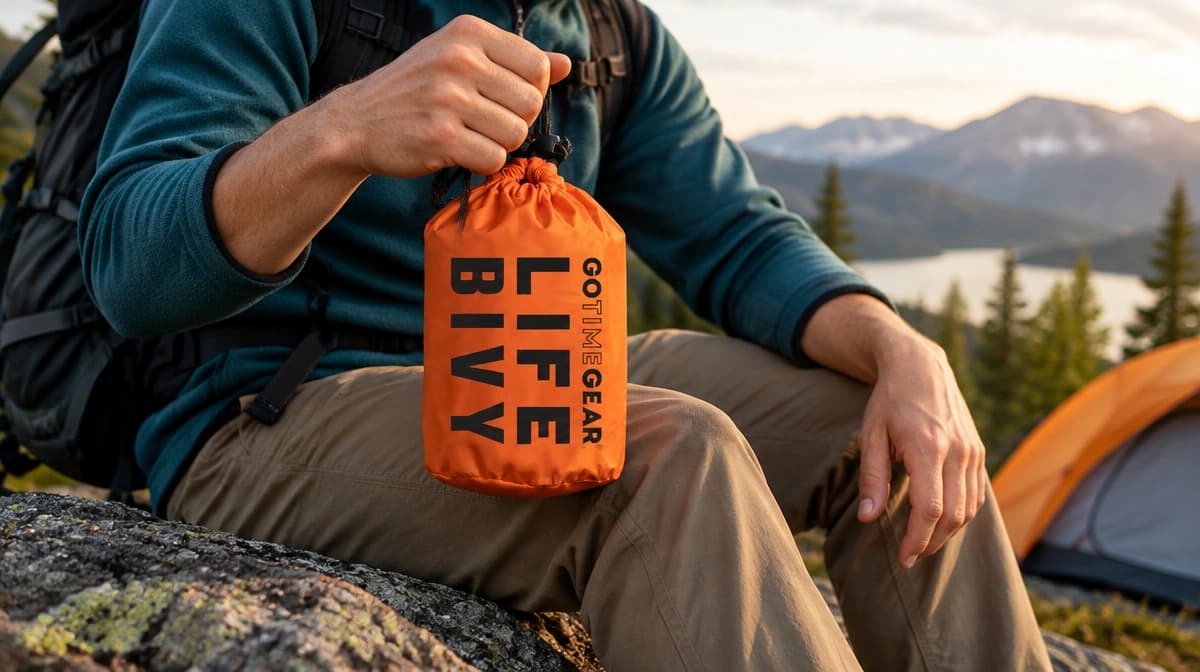
Emergency bivvy (with hood)
$Go Time Gear Life Bivy
A reusable bivy with a drawstring hood and a 120 dB whistle built into the stuff sack. Good value for a bug-out bag.
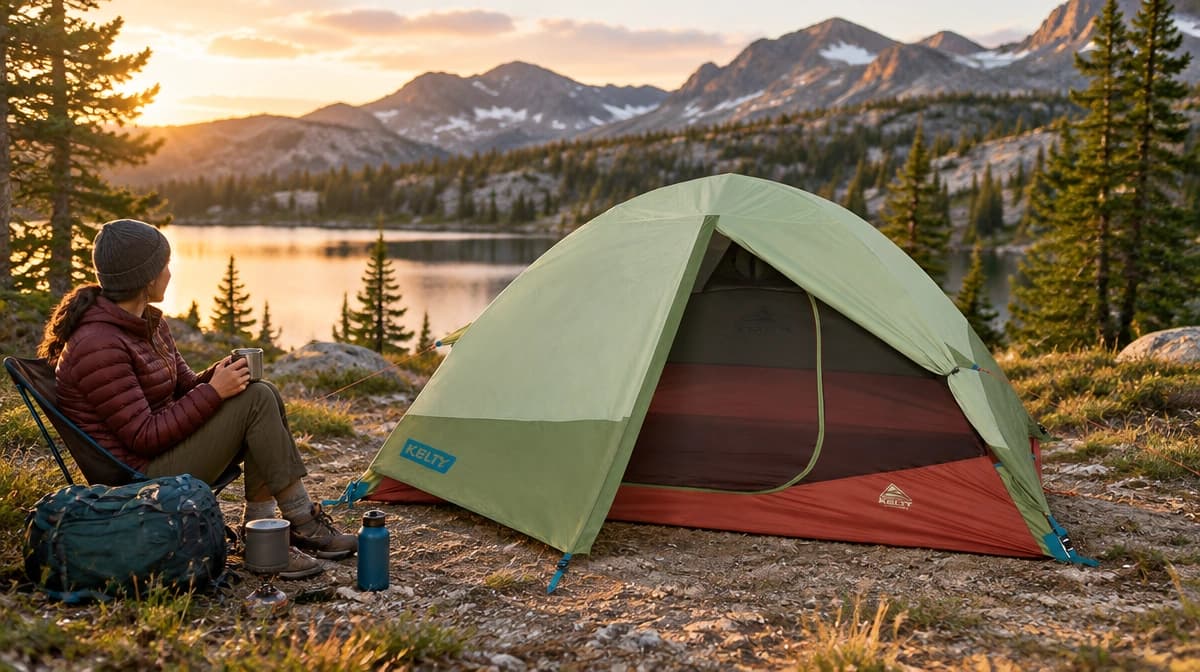
Compact backpacking tent
$$Kelty Discovery Trail 2
A backup shelter option if you need to leave a compromised structure. Light enough to carry, with a full-coverage rainfly.
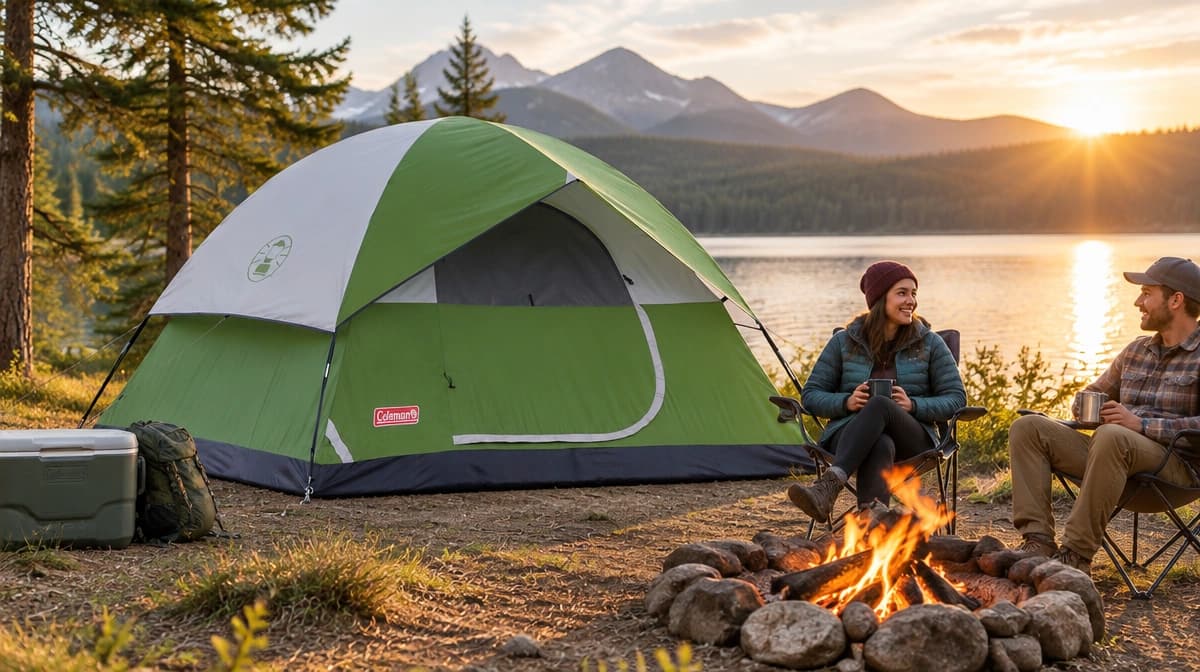
Family camping tent
$$Coleman Sundome
The inexpensive, sets-up-in-ten-minutes option for sheltering a household in the yard or at a campground.