 The Prep Nest
Food Preservation
Turning a harvest or a bulk buy into food that keeps. The one rule that decides which equipment you need is acidity: high-acid foods go in boiling water, everything else needs pressure.
Preserving your own food is the point at which preparedness turns into self-reliance, and it is also the only area on this site where getting the equipment wrong can make someone seriously ill. The distinction below is not a matter of preference or quality. It is a food-safety rule.
The line between water bath and pressure canning
High-acid foods can be safely processed in a boiling water bath: jams, jellies, pickles, most fruit, and tomatoes that have been acidified. The boiling point of water is sufficient to make them safe.
Low-acid foods must be pressure canned. Vegetables, beans, meat, poultry, fish and soups fall here. A boiling water bath cannot reach the temperature required to destroy *Clostridium botulinum* spores in a low-acid environment, and no amount of extra boiling time substitutes for pressure. This is why a pressure canner is not an upgrade over a water bath canner but a different tool for a different category of food.
| Method | Foods | Equipment |
|---|---|---|
| Water bath | Jams, jellies, pickles, fruit, acidified tomatoes | Canning pot with rack |
| Pressure canning | Vegetables, beans, meat, poultry, fish, soups | Pressure canner with gauge |
| Dehydrating | Fruit, vegetables, herbs, jerky | Dehydrator with stacked trays |
| Mylar and oxygen absorbers | Dry staples: rice, beans, oats, pasta | Bags, absorbers, bucket |
Follow tested processing times and pressures from the USDA Complete Guide to Home Canning or your state's extension service, adjusted for your altitude, rather than from a recipe without a source. Our guide to water bath canning sets out what it can and cannot preserve, and food preservation methods compared covers how the four approaches differ in cost, effort and shelf life.
The equipment that actually matters
The rack in a water bath canner is not optional: jars must not sit on the pot floor, where direct contact causes thermal shock and breakage. A jar lifter is the other item not to improvise around, because the alternative is lifting glass out of boiling water with tongs. Jars and bands last for years, but flat lids are single-use every time, which is the recurring cost of canning and the thing beginners most often get wrong.
What we could not verify
We do not physically test these products. Capacities, dimensions and materials are manufacturers' published claims from retailer listings checked on 3 October 2026. More importantly: nothing on this page is a substitute for tested processing times. Use the USDA Complete Guide to Home Canning or your state extension service for times, pressures and altitude adjustments, because those vary by food, jar size and where you live, and this is the one area where improvising carries a real risk.
What we recommend
Chosen on published specifications and on what buyers consistently report. We do not physically test these products. Affiliate links; see our disclosure.
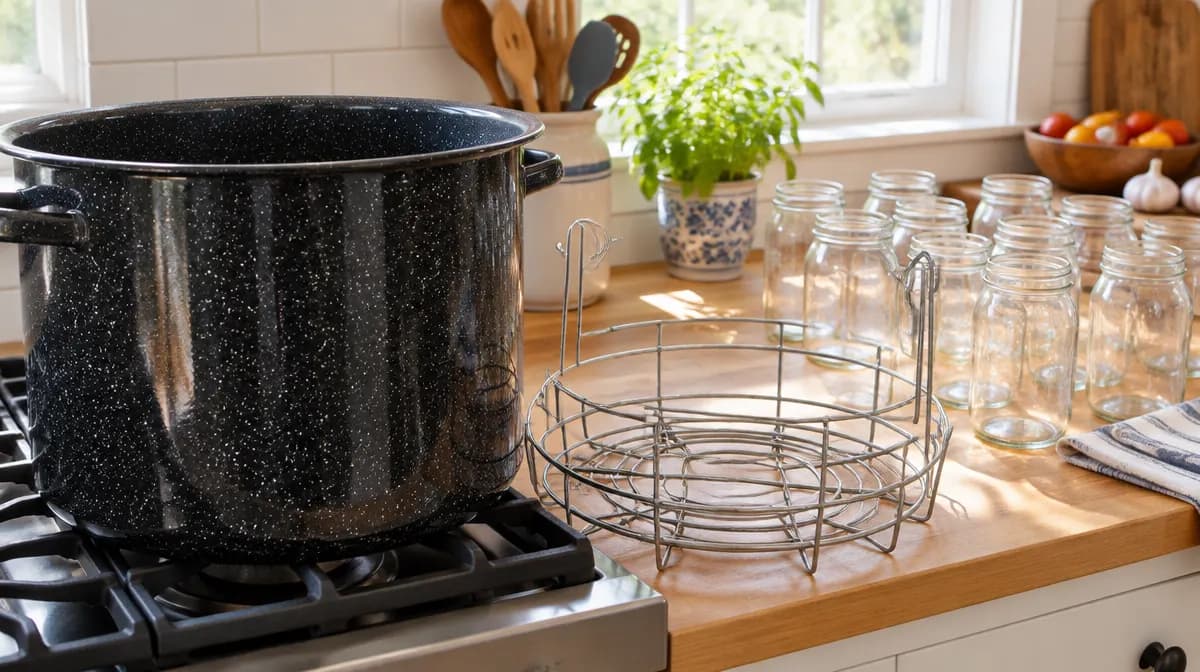
Water bath canner
$$Granite Ware Canning Pot with Rack, 8-piece set
For high-acid foods: jams, pickles, fruit, and acidified tomatoes. The rack matters more than it looks, since jars must not sit on the pot floor.
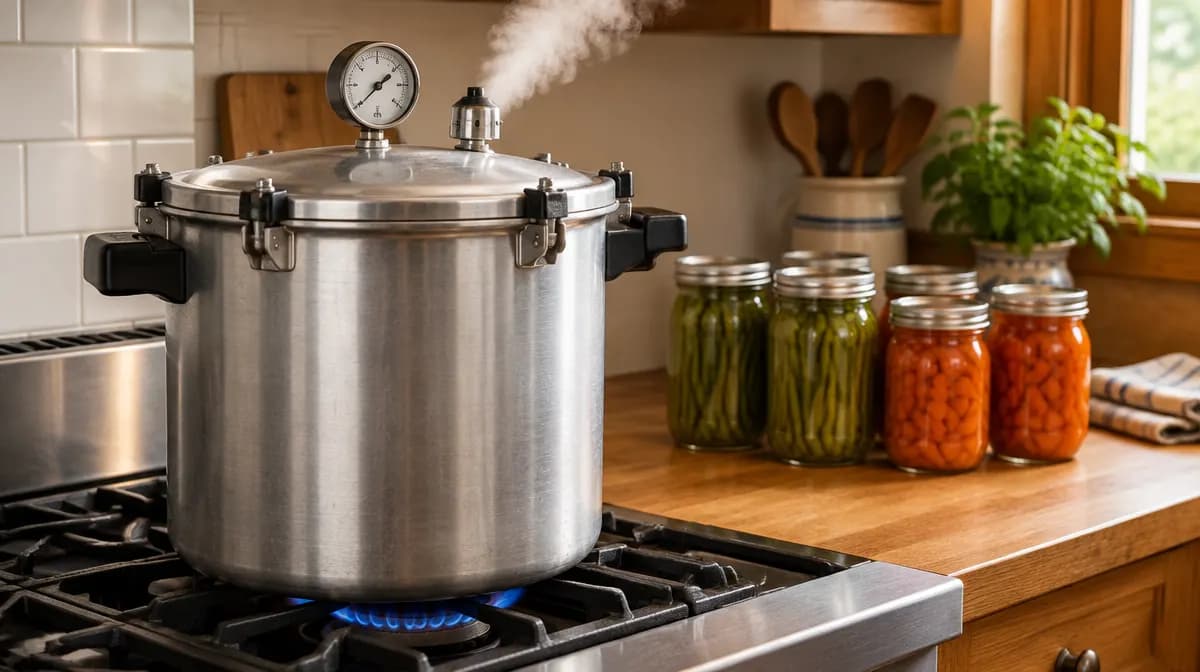
Pressure canner
$$$Presto 01781 23-Quart
Required, not optional, for low-acid foods such as vegetables, beans, and meat. Reaches the temperature that boiling water cannot.
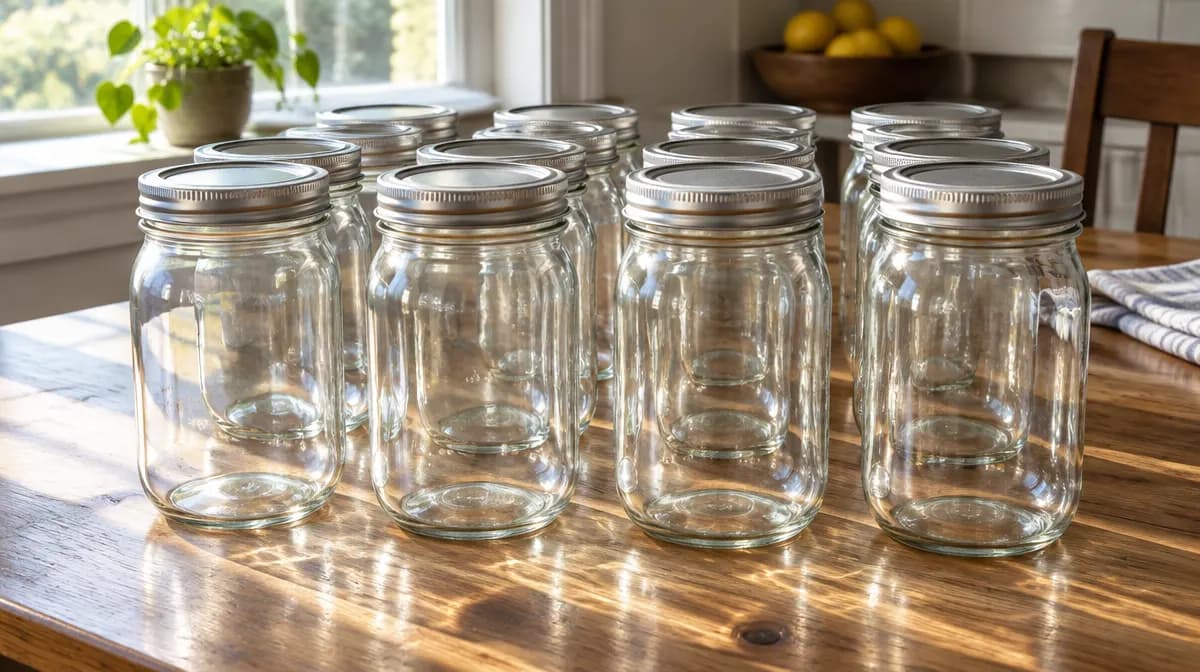
Canning jars
$$Ball Regular Mouth Quart Jars, 12-pack (reseller bundle with a jar opener)
Jars and bands last for years. The flat lids are single use every time, so buy those separately and often. Note that this is a reseller listing that bundles the jars with a third-party jar opener, so the price moves and it goes out of stock more often than Ball's own pack.
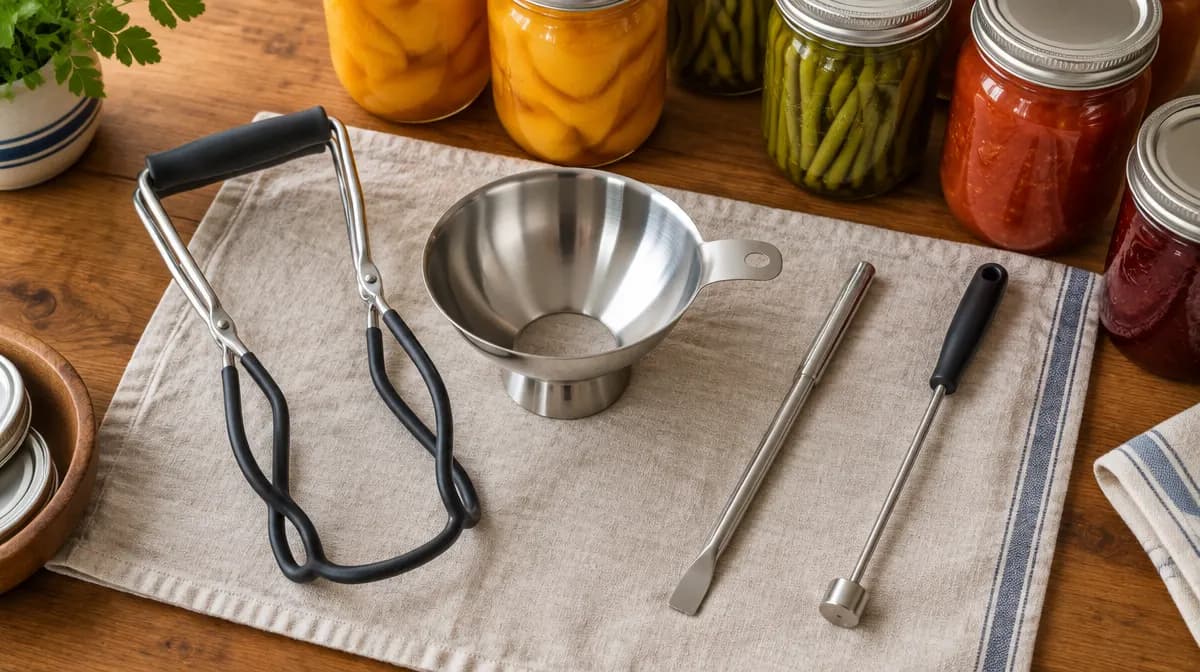
Canning tool set
$Canning Supplies Starter Kit
Jar lifter, funnel, bubble remover, and magnetic lid lifter. Cheap, and the jar lifter in particular is not something to improvise around boiling water.
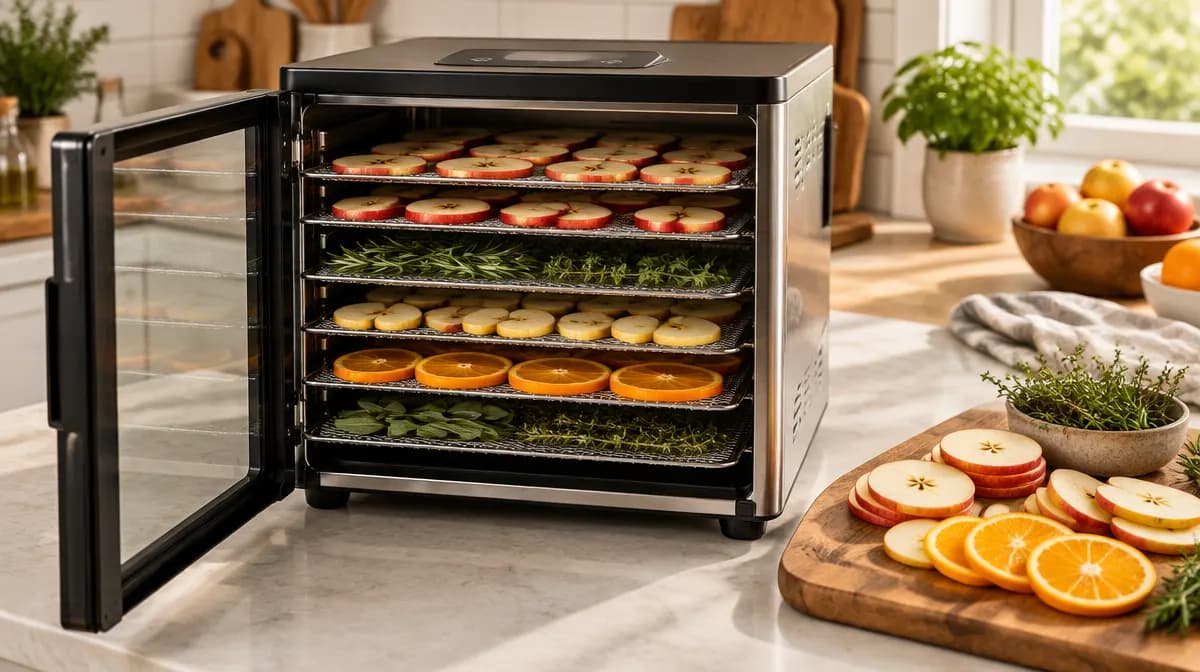
Food dehydrator
$$Cosori 6-Tray Stainless Steel
The cheapest route into serious preservation. Stainless trays and a real thermostat are the two things worth paying for.
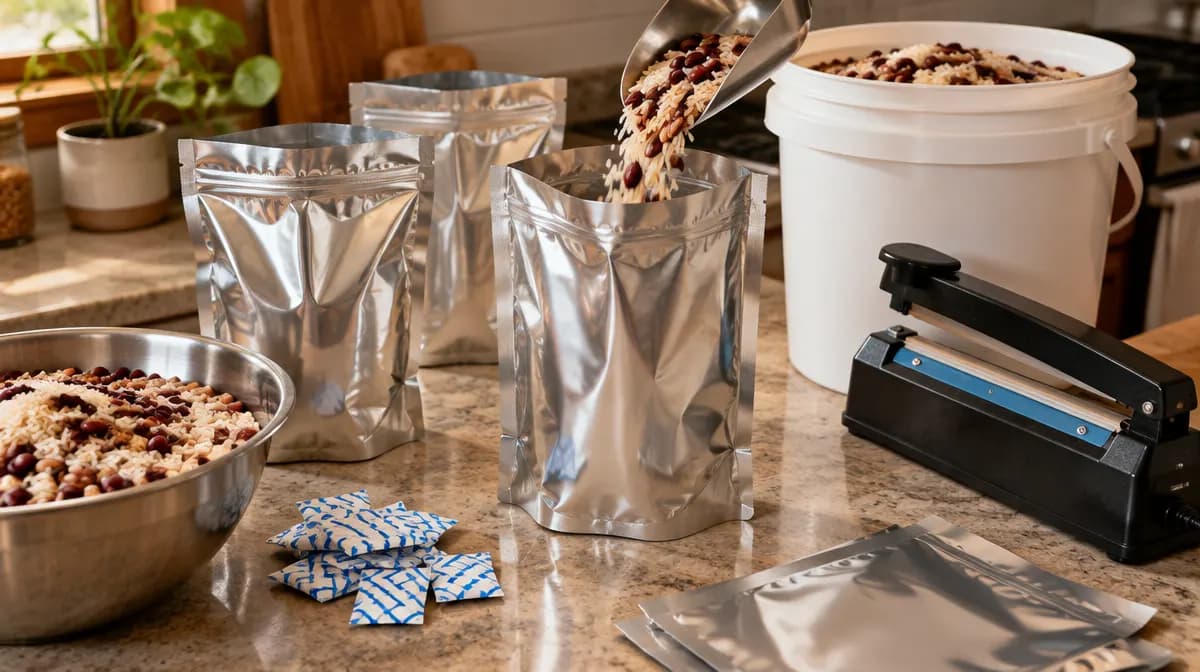
Mylar bags and oxygen absorbers
$$120 Mylar Bags with 150 Oxygen Absorbers
Takes dried food and bulk staples from months of shelf life to years. Use with a bucket for pest protection, and seal absorbers in immediately.