 The Prep Nest
Communication
Ways to stay reachable, and to reach others, when normal networks are down.
Communication equipment gets bought in the wrong order, because people start with the familiar thing. There are three separate problems here and they are not interchangeable: receiving official information, talking to the people you are with, and reaching the outside world when there is no cell service.
Solve receiving first, because it is cheapest
A NOAA weather radio is receive-only, which is exactly why it is reliable: it depends on nothing but a transmitter built to keep running. Every household in a weather-exposed area should own one, and it costs less than a tank of fuel. That equipment sits under power and light, because in practice it is the same device as your emergency lighting.
Two-way radios, and the two things the box does not tell you
The range printed on a two-way radio package is measured line of sight, radio to radio, with nothing in between. That describes a mountaintop, not a neighbourhood. In a suburb or between buildings, expect something closer to one or two miles, sometimes less. Within those limits they genuinely work: keeping a household in contact while clearing a property, coordinating two vehicles during an evacuation, or reaching somebody a few streets away when cell circuits are jammed.
The second thing is legal. In the United States, the higher-power GMRS channels require an FCC licence. It costs about thirty-five dollars, lasts ten years, involves no examination, and covers your whole immediate family under one call sign. The FRS channels on the same radios need no licence but run at lower power, so the range is shorter. Buying a GMRS radio and never getting the licence means either operating outside the rules or using only the weaker channels you did not pay for.
Satellite, for when there is no network at all
Nothing terrestrial substitutes for satellite when there is no coverage. A satellite messenger sends and receives text anywhere with a clear view of the sky, and its SOS button reaches a staffed coordination centre that can dispatch rescue and stay in contact while they do. It requires an active subscription, which is the part people forget: the device is useless on the shelf if the plan has lapsed.
The sensible buying order is a weather radio first, two-way radios next if your household is ever spread across a property or travelling in more than one vehicle, and a satellite messenger last unless you genuinely go where coverage does not, in which case it moves to the top. Our guide to staying reachable when the network is not covers the trade-offs in detail.
What we could not verify
We do not physically test these products. Channel counts, range claims, battery figures and pack contents are manufacturers' published specifications from retailer listings checked on 3 October 2026. Advertised range in particular is a best-case line-of-sight figure that will not be met in ordinary terrain. Licence requirements and fees are current United States rules as described by the FCC at the time of writing and can change; confirm before you buy.
What we recommend
Chosen on published specifications and on what buyers consistently report. We do not physically test these products. Affiliate links; see our disclosure.
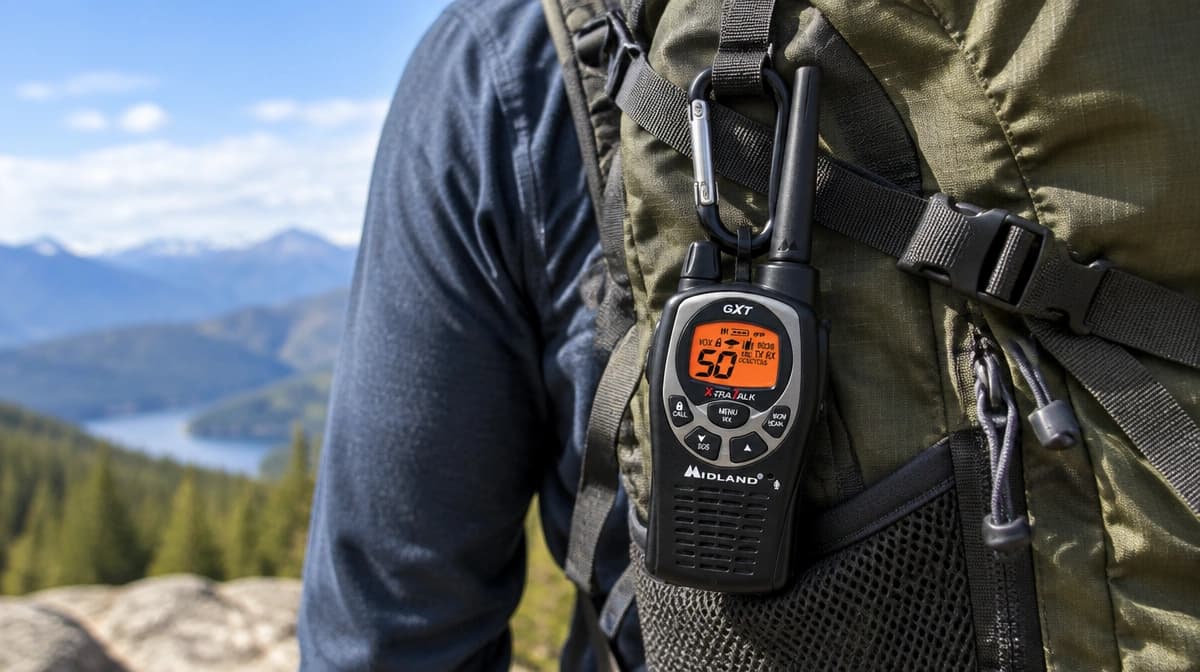
FRS/GMRS two-way radios
$$Midland GXT1000VP4 (4-pack with headsets)
Keep household members in contact without relying on cell service. Includes NOAA weather channels. This listing is the four-radio set: four radios, four battery packs, four boom-mic headsets and two dual desktop chargers. The higher-power GMRS channels need an FCC licence, which covers your whole family.
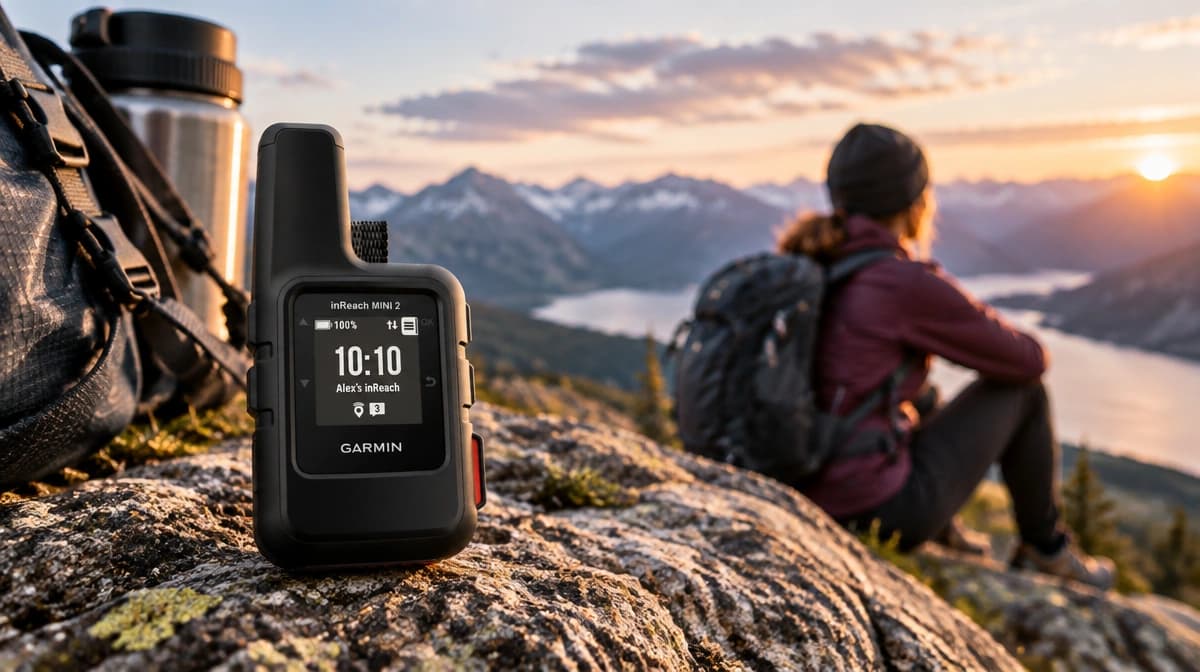
Portable satellite messenger
$$$Garmin inReach Mini 2
Two-way text and SOS capability with no cell signal required. Needs a subscription, but it is the device that gets help to you off-grid.